High-Strength Metallized Ceramic Components Accelerate Applications in Multiple Fields, Contributing To The Upgrading Of Power Electronics And New Energy Technologies
Apr 26, 2026
With the increasing demand for high-reliability packaging materials in the power semiconductor, high-voltage direct current (HVDC) power transmission and distribution, and new energy vehicle industries, High-Strength Metallized Ceramic Components are becoming a core technology solution for connecting ceramic insulating bodies and metal conductive structures. These components achieve an organic combination of the high strength, high temperature resistance, and high insulation of ceramics with the solderability and hermeticity of metals by fabricating a metallized transition layer on the surface of advanced ceramic substrates (such as alumina, silicon nitride, and zirconium oxide). They are widely used in demanding applications such as power electronic modules, high-voltage relays, medical X-ray tubes, and precision hydraulic components.
Technical characteristics: High strength and multi-functional integration
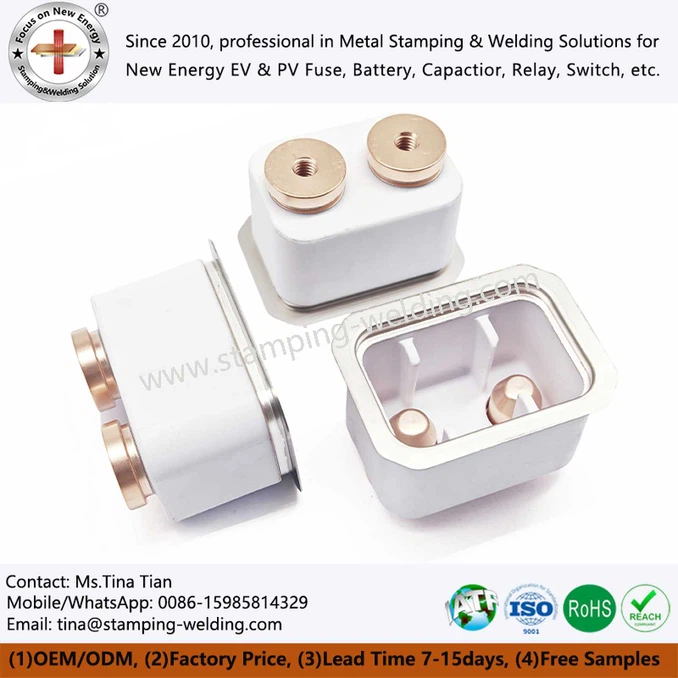
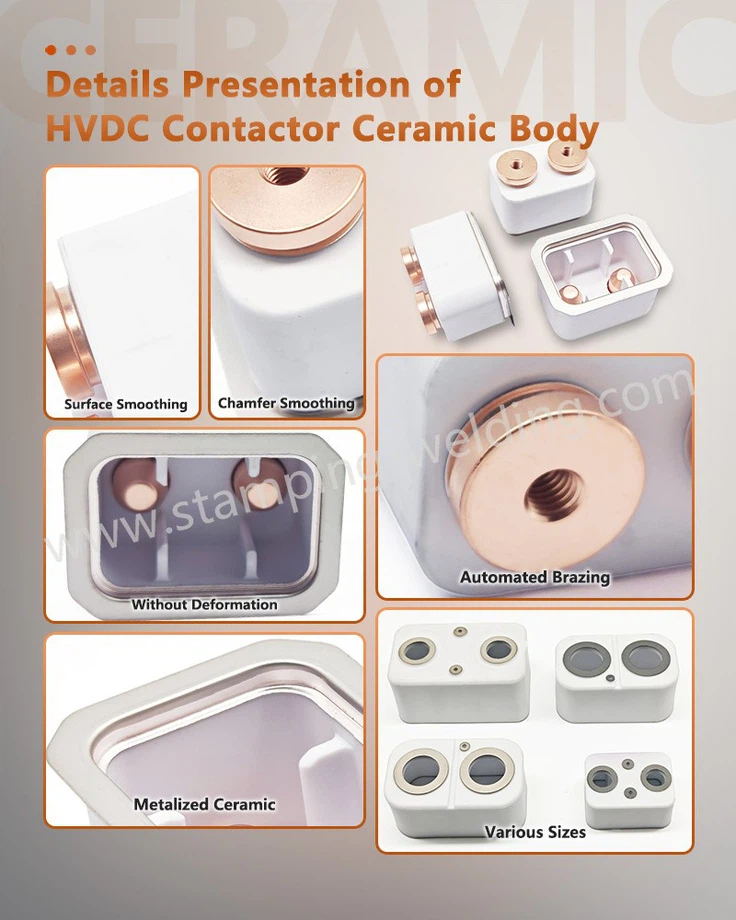
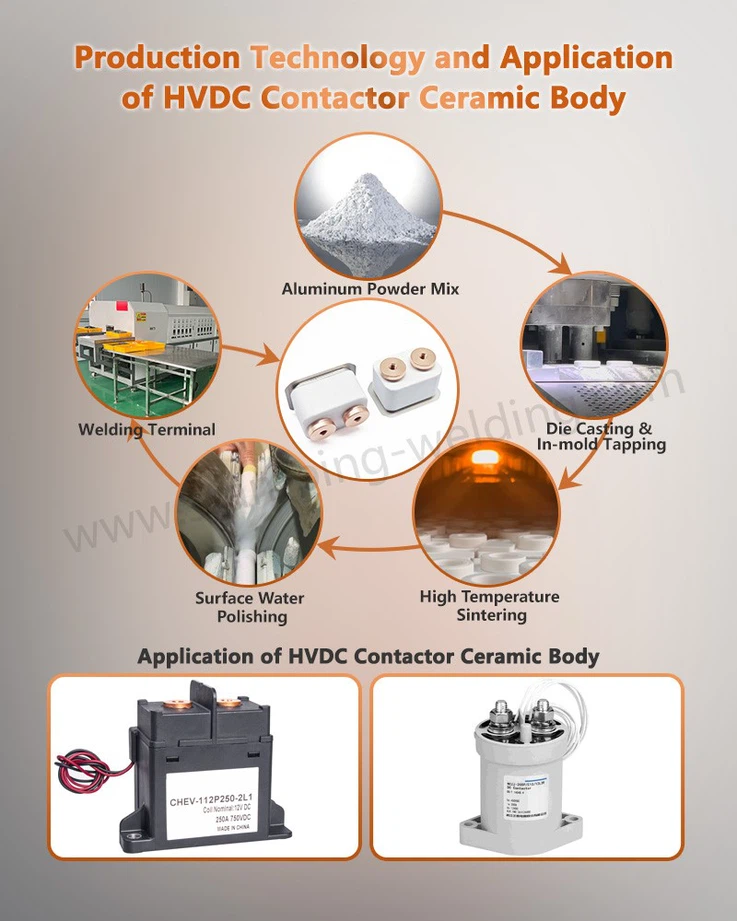
Material systems represented by Alumina Metallized Ceramics, using high-purity alumina or silicon nitride as the matrix, achieve flexural strengths exceeding 1200 MPa, far superior to traditional insulating materials. A dense metal layer is formed on the ceramic surface using the molybdenum-manganese method or thick-film technology, combined with electroplating of nickel and copper, resulting in a ceramic-metal interface that combines high bonding strength with vacuum sealing. These components can withstand temperatures exceeding 1000°C, severe thermal shock, and corrosive media while maintaining excellent electrical insulation properties. Particularly in high-voltage DC contactors, the HVDC contactor ceramic enclosure utilizes the sealed cavity structure of metallized ceramics to effectively extinguish arcs and withstand thousands of volts of DC voltage, becoming a critical safety component in converter stations and energy storage systems.
Key application areas: From power electronics to new energy
In power semiconductor modules, Metallized Ceramic Housing for Power Semiconductors provides mechanical support, electrical isolation, and sealing protection for devices such as IGBTs and MOSFETs, significantly improving the module's thermal fatigue life. Meanwhile, Metallized Alumina Ceramics for Electrical Components is widely used in the hermetically sealed packaging of high-voltage insulators, vacuum interrupters, and optical communication devices. For high-voltage power distribution units (PDUs) and battery management systems in new energy vehicles, Metallized Ceramics for Electrical Components ensures the long-term reliability of relays and fuses under vibration, humidity, and salt spray environments.
In the fields of precision mechanics and hydraulics, metallized ceramic plungers and sealing rings, achieved through precision machining of Alumina ceramic parts, exhibit extremely low coefficients of friction and excellent wear resistance, making them suitable for oil well tools and high-precision metering pumps. In medical equipment, metallized ceramic housings are used in the rotating anode assemblies of X-ray tubes and CT scanners, meeting the stringent requirements of high temperature, high vacuum, and repeated thermal shock.

Manufacturing process evolution: Balancing high precision and mass production
Current mainstream processes in the industry include molybdenum-manganese sintering for metallization, thick-film printing, and vacuum deposition. During manufacturing, High-Strength Metallized Ceramic Components relies on high-precision forming and grinding technologies to ensure dimensional tolerances and surface finish of the ceramic substrate. Typical products, such as the Metallized Ceramic Insulating Tubes Metalizating Ceramic Part, achieve reliable brazing of the insulating tube and end caps by controlling the thickness and density of the metal layer. These technological advancements enable metallized ceramic components to meet diverse needs, ranging from low-voltage signals to high-voltage DC, and from static sealing to dynamic rotation.
Industry Outlook
With the rise of emerging fields such as flexible DC power transmission, rail transportation, and electric aviation, the demand for packaging materials with high voltage, high current, and high environmental adaptability will continue to grow. Metallized ceramic components based on alumina and silicon nitride, with their irreplaceable insulation strength and thermomechanical stability, are expected to achieve wider application penetration in the next five years, especially in high-voltage DC contactors, power module substrates, and sensor housings, becoming a core cornerstone for ensuring the safe operation of electrical systems.
Contact Us
For technical information and sample support of High-Strength Metallized Ceramic Components, please feel free to contact us.