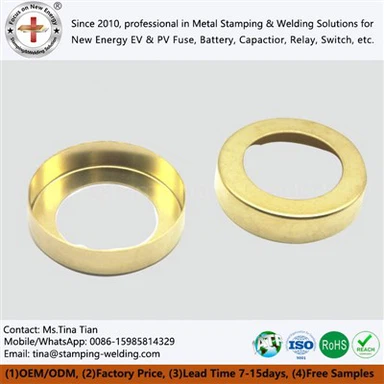
Overview, Features, And Advantages Of Curved Round Copper Rail
Sep 03, 2024
Products Overview
The Curved Round Copper Rail is a high-efficiency electrical transmission component designed for applications requiring curved bends and stable current flow. Made from high-quality copper, it is compatible with Copper Busbar systems and manufactured through precise techniques. Commonly used in various electrical systems, it works seamlessly with Electrical Busbars and Busbar Connectors to ensure reliable current conduction and meet high load requirements.

Products Features
1. High-Quality Material: The Curved Round Copper Rail is made from high-purity copper, ensuring excellent electrical conductivity and durability.
2. Flexible Design: With its curved design, it adapts to different electrical wiring needs and integrates easily with other Copper Busbar systems.
3. High Conductivity: The copper's superior conductive properties help minimize energy loss and improve system efficiency.
4. Corrosion Resistance: The surface is treated to resist corrosion, making it suitable for various harsh environments.

Products Advantages
1. Exceptional Performance: When combined with Electrical Busbars and Custom Bus Bars, it provides stable and efficient current transmission.
2. Flexible Installation: The design allows for versatile installation in various electrical systems.
3. Long-Term Durability: High-purity copper and advanced manufacturing processes give it a long service life, reducing maintenance costs.
4. Professional Inspection: Strict quality control and testing by Busbar Manufacturers ensure that each rail meets high standards.

Inspection Methods
The Curved Round Copper Rail undergoes several quality checks during production, including:
1. Material Testing: Ensures the purity and conductivity of the copper material meet standards.
2. Dimensional Checks: Measures the dimensions and bending angles to ensure accurate installation.
3. Corrosion Resistance Testing: Simulates different environmental conditions to test resistance to corrosion.
4. Electrical Performance Testing: Measures current transmission capabilities to ensure it meets design requirements.
Storage Methods
1. Avoid Moisture: Store in a dry environment to prevent rust and corrosion.
2. Keep Away from Chemicals: Avoid exposure to acids, alkalis, and other chemicals to prevent corrosion.
3. Proper Packaging: Use protective materials to prevent physical damage.
4. Regular Checks: Periodically inspect the copper rail for damage or degradation.
**Connect Instantly, Create Value Together**: One click to "Contact Us" opens the door to our partnership journey.