Analysis Of Busbar Heat-Shrink Tubing Technology: Performance Characteristics And Application Value Of High-Temperature Insulation And Protection Materials
Sep 25, 2026
Busbar heat-shrinkable tubing is an insulating and protective material used for busbars and electrical connection components within power systems. It is primarily employed to insulate conductors in substation busbars, high- and low-voltage switchgear, power distribution cabinets, and electrical equipment for new energy applications. By shrinking tightly around conductive components-such as copper or aluminum busbars-the tubing effectively enhances electrical clearance safety and reduces the risk of phase-to-phase short circuits, while also optimizing internal space layout and enabling more compact electrical cabinet designs.
During operation, busbars often endure high current loads over extended periods while being subjected to factors such as temperature rise, electric field stress, mechanical vibration, and environmental humidity. Consequently, the insulation material must not only offer excellent electrical insulation properties but also meet requirements for heat resistance, aging resistance, impact resistance, and long-term operational stability.
Busbar heat-shrinkable tubing is typically manufactured from cross-linked polyolefin materials, processed to create an insulating sleeve with heat-shrink memory capabilities. Upon heating, the material's internal cross-linked structure reverts to its original state, causing the sleeve to shrink and conform tightly to the busbar surface, thereby forming a stable insulating layer. Compared to traditional insulation wrapping methods, the heat-shrinkable design offers advantages such as ease of installation, superior fit, and consistent protective performance.
In practical applications, busbar heat-shrinkable tubing is mainly used for insulation in power busbars, high- and low-voltage switchgear, power distribution equipment, and industrial control cabinets. For instance, it enhances isolation between the busbar and the external environment, thereby improving operational safety. Furthermore, in space-constrained electrical cabinets, heat-shrinkable insulation reduces the space occupied by traditional insulation materials, facilitating higher equipment integration.
Busbar heat-shrinkable tubing exhibits strong flame-retardant properties; some materials are self-extinguishing, which helps mitigate the risk of flame propagation during abnormal conditions. Additionally, its continuous heat resistance meets the demands of long-term operation in power distribution equipment. With a typically thickened wall design, the tubing offers robust mechanical strength, impact resistance, and insulation protection, making it suitable for long-term use in industrial environments.

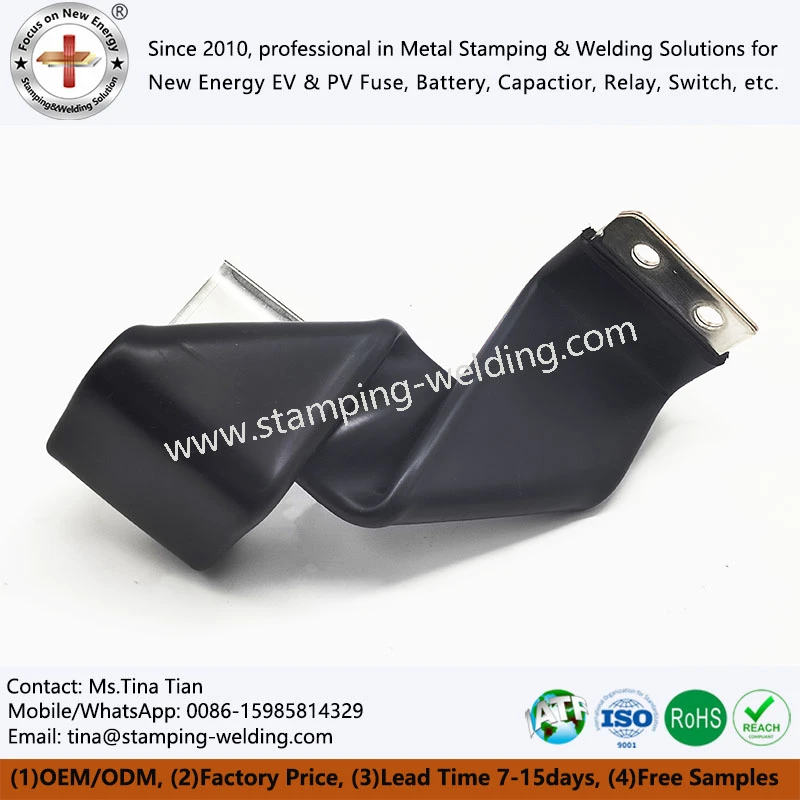
Furthermore, heat-shrinkable tubing offers excellent flexibility, allowing it to cover conductive structures of various shapes, including bent busbars, irregularly shaped connectors, and components in complex installation locations. For connection solutions requiring high flexibility, PVC-insulated flexible busbars enhance overall insulation protection while maintaining conductivity, making them ideal for electrical applications involving complex spatial constraints or dynamic connections.
In terms of material composition, high-temperature heat-shrinkable tubing typically consists of a cross-linked polyolefin outer layer and a hot-melt adhesive inner layer. The outer layer provides mechanical protection, abrasion resistance, corrosion resistance, and electrical insulation. During heating, the inner hot-melt adhesive melts to form a sealed bond with the protected component, thereby improving resistance to moisture and dust as well as enhancing environmental durability.
High-temperature heat-shrinkable tubing is categorized by temperature rating, with options including 125°C, 135°C, 150°C, 175°C, 200°C, and 260°C. Different ratings suit specific industrial environments; for instance, standard low-voltage power distribution equipment may utilize conventional temperature ratings, whereas high-temperature electrical equipment, new energy systems, and specialized industrial environments require insulation materials with superior heat resistance.
Heat-shrinkable busbar insulation tape serves as another type of auxiliary insulation material, typically used at busbar connection points, corners, and areas requiring localized insulation reinforcement. Offering excellent heat resistance and electrical stability, it helps enhance insulation reliability at connection points and is particularly suitable for supplementary protection in complex electrical structures.
With the rapid development of new energy sectors, electric vehicles, and energy storage systems, busbars-critical components for high-current transmission-face increasingly stringent insulation reliability requirements. High-voltage busbars used in high-voltage platforms demand superior voltage withstand capabilities and long-term stability; consequently, high-voltage heat-shrink-insulated copper busbars are increasingly employed in high-voltage electrical connection systems to mitigate electrical safety risks between conductors.
Beyond traditional power equipment, heat-shrink insulation technology is expanding into fields such as new energy vehicles, battery systems, industrial inverters, and rail transportation. In these applications, busbars must not only handle high-current transmission but also withstand vibration, thermal cycling, and complex environmental fluctuations, making the reliability of the insulation layer crucial to the safety of the entire system.
Heat-shrink tubing can be customized in terms of dimensions, color, thickness, and shrink ratio to suit the specific equipment structures and installation requirements of different clients. These tubes can be matched to various copper busbar specifications, ensuring insulation solutions align with actual assembly needs, minimizing installation clearances, and enhancing production consistency.
The performance of heat-shrink tubing is closely linked to its degree of cross-linking. The stable molecular network formed within cross-linked polyolefin materials determines the product's mechanical strength, shrink ratio, and long-term heat resistance. Following irradiation or chemical cross-linking, the material establishes a stable "memory" state during heat expansion and rapid cooling; upon reheating, it shrinks back to its original form, creating a tight, protective encapsulation.
In busbar insulation applications, heat-shrink tubing provides not only electrical isolation but also enhanced resistance to corrosion and oxidation on the busbar surface. For equipment operating in humid, dusty, or industrial environments, this type of insulation effectively extends the service life of conductive components.
Driven by advancements in new energy, power electronics, and smart power distribution equipment, busbar insulation technology is evolving toward higher voltage ratings, higher temperature tolerances, and greater reliability. Future developments will prioritize improved heat resistance, eco-friendly properties, and long-term operational stability, while integrating automated installation processes to boost manufacturing efficiency.
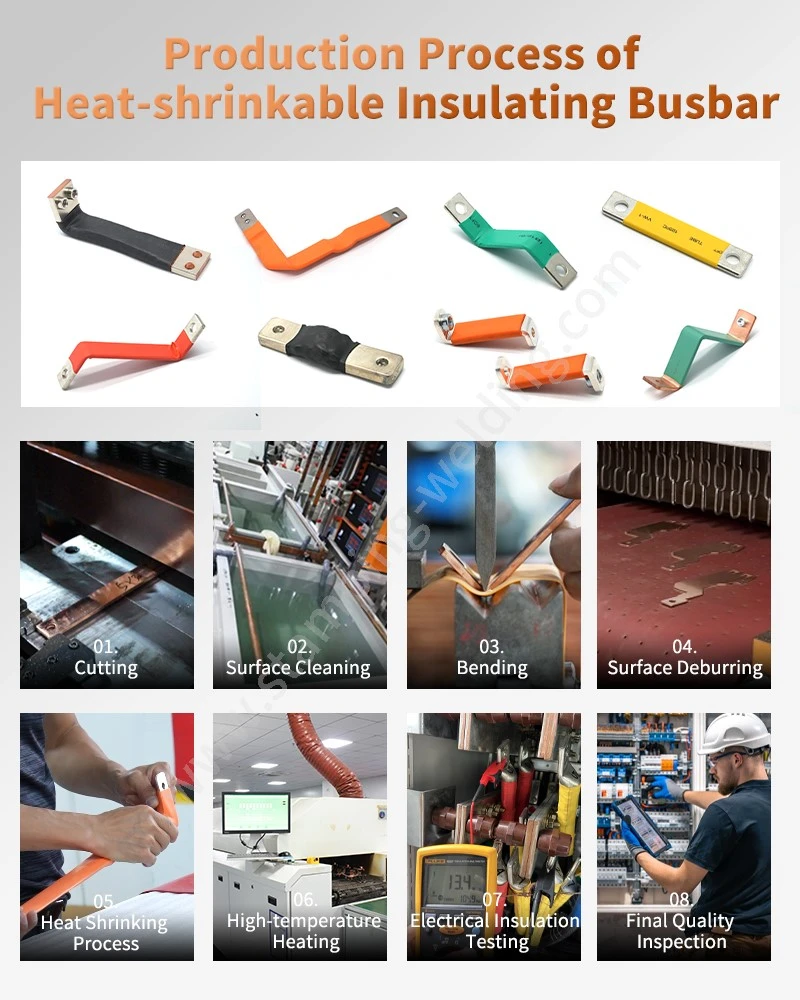
Insulation solutions such as PVC heat-shrink sleeves for copper busbars meet the protective needs of various busbar configurations. Meanwhile, products like insulated heat-shrink copper connectors and heat-shrink insulation for copper foil busbars offer expanded design options for precision electrical systems.
Overall, busbar heat-shrink tubing is more than just a simple insulation material; it is a critical structural component ensuring the safe operation of power systems. By carefully selecting materials, temperature ratings, and installation methods, engineers can significantly enhance the insulation performance, mechanical reliability, and long-term stability of busbar systems.
For engineering and procurement teams designing systems for new energy, power equipment, and high-voltage electrical applications, selecting a busbar heat-shrink insulation solution that matches the specific operating environment and electrical parameters is crucial for ensuring product safety and reliability in mass-scale applications.
contact us