PVC Dipping Insulated Busbar: A Complete Primer
May 22, 2025
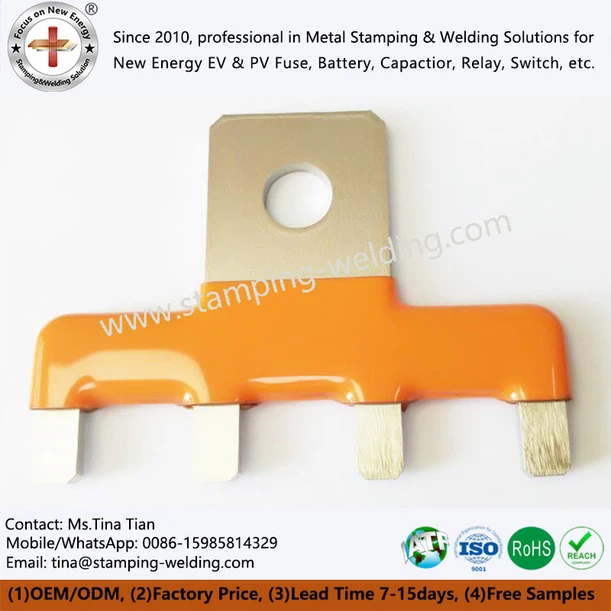
A PVC Dipping Insulated Busbar is a key component in electrical systems, playing a crucial role in power distribution and connection. It combines the properties of electrical conduction with robust insulation, ensuring safe and efficient operation in a variety of applications. Understanding its features, manufacturing process, and applications is essential for those involved in electrical engineering, installation, and maintenance.

Structure and Composition
The Conductor
At the core of a PVC Dipping Insulated Busbar is the conductor, which is typically made from materials like copper or aluminum. Copper is a popular choice due to its excellent electrical conductivity, allowing for minimal power loss during current transmission. It also has good thermal conductivity, which helps in dissipating heat generated during operation. Aluminum, on the other hand, offers a cost-effective alternative with its lower density, making it suitable for applications where weight reduction is a priority, such as in some transportation-related electrical systems.
The Tin-Plating (if applicable)
Often, the conductor surface is tin-plated. Tin-plating is achieved through an electroplating process. This layer serves multiple purposes. Firstly, it provides corrosion resistance. When exposed to air and moisture, tin forms a thin, protective oxide layer on its surface, shielding the underlying conductor from rust and degradation. Secondly, it enhances solderability. The smooth and uniform tin-plated surface enables easy soldering when connecting the busbar to other electrical components, ensuring reliable electrical connections.
The PVC Dipping Insulation
The PVC (Polyvinyl Chloride) dipping insulation is a vital part of the busbar. PVC is chosen for its excellent electrical insulation properties. It effectively prevents electrical short-circuits by creating a barrier between the conductor and its surroundings. Additionally, PVC has good mechanical strength and flexibility. It can withstand mechanical stress, vibrations, and minor impacts, making the busbar suitable for various installation scenarios. Moreover, PVC is resistant to many chemicals, protecting the busbar in environments where it may be exposed to corrosive substances.
Manufacturing Process
Conductor Preparation
The manufacturing journey begins with the preparation of the conductor. If copper is used, it may start as copper rods or sheets. These are then processed through methods such as drawing or rolling to achieve the desired shape and size of the busbar. For example, it might be formed into a flat bar or a round rod, depending on the application requirements. Aluminum conductors also undergo similar shaping processes, tailored to their specific material characteristics.
Tin-Plating (if required)
In the case of tin-plated busbars, the next step is the electroplating process. The prepared conductor is immersed in an electroplating bath containing a solution of tin salts. An electric current is passed through the solution, with the conductor connected to the negative terminal (cathode) and a tin anode connected to the positive terminal. As the current flows, tin ions in the solution are deposited onto the conductor surface, gradually building up a thin layer of tin. The thickness of this layer can be precisely controlled by adjusting factors like the concentration of the tin salt solution, the current density, and the electroplating duration.
PVC Dipping
After the conductor is ready (with or without tin-plating), it proceeds to the PVC dipping stage. The busbar is dipped into a bath of molten PVC or a PVC-based liquid formulation. As it is withdrawn from the bath, the PVC adheres to the surface of the conductor. The busbar is then allowed to cool, and the PVC solidifies, forming a continuous and uniform insulation layer. The thickness of the PVC insulation can be adjusted according to the specific needs of the application, such as the required level of electrical protection and mechanical durability.
Properties and Advantages
Electrical Properties
Low Resistance:
Whether made of copper or aluminum, the busbar, when properly manufactured, offers low electrical resistance. This is crucial as it minimizes power losses in the form of heat generation during current flow. Lower resistance also ensures that the voltage drop along the busbar is kept to a minimum, which is essential for maintaining the efficiency of electrical systems.
Insulation Quality:
The PVC insulation provides excellent electrical isolation for Insulated Custom Copper Bus Bar with PVC Dipping. It prevents the leakage of electrical current, protecting both the electrical system and personnel from electrical shock. This insulation is tested to meet strict safety standards, ensuring reliable performance in various electrical environments.
Mechanical Properties
Strength and Durability:
The combination of the conductor material and the PVC insulation gives Insulated Custom Copper Bus Bar with PVC Dipping good mechanical strength. It can withstand mechanical stress, such as bending, twisting, and vibrations, without compromising its electrical performance. This durability makes it suitable for applications in industrial settings, transportation systems, and other environments where the busbar may be subject to physical forces.
Flexibility: Depending on the thickness of the PVC insulation and the design of the busbar, it can exhibit a certain degree of flexibility. This flexibility is advantageous in applications where the busbar needs to be routed in tight spaces or bent to fit specific installation requirements, such as in the internal wiring of electronic devices or in complex electrical panel layouts.
Environmental Resistance
Corrosion Resistance: If tin-plated, the busbar benefits from the corrosion-resistant properties of the tin layer. Even without tin-plating, the PVC insulation provides a barrier against moisture, chemicals, and other environmental elements that could cause corrosion. This makes the busbar suitable for both indoor and outdoor applications, including in harsh industrial environments or areas with high humidity.
Temperature Resistance: PVC has a certain range of temperature resistance. While it may not be suitable for extremely high-temperature applications, it can operate effectively within normal electrical system temperature ranges. This allows the busbar to function reliably in a wide variety of environments, from cool indoor spaces to moderately warm industrial settings.
Applications
Power Generation and Distribution
Power Plants:
In power generation facilities, Insulated Custom Copper Bus Bar with PVC Dipping is used to connect generators, transformers, and other electrical equipment. They are responsible for transmitting large amounts of electrical power within the plant, ensuring efficient power transfer from the generation source to the distribution points. Their low resistance and high current-carrying capacity are essential for maintaining the stability and efficiency of power generation operations.
Substations:
Substations play a crucial role in the power distribution network, and these busbars are an integral part of them. They are used to connect different voltage levels, switchgear, and protective devices. The busbars in substations need to withstand high electrical stresses and environmental conditions, and their properties, such as insulation and corrosion resistance, make them well-suited for this critical task.
Industrial Applications
Manufacturing Facilities: In industrial manufacturing plants, PVC Dipping Insulated Busbars are used to power various machinery and equipment. They can be found in automated production lines, conveyor systems, and large - scale motors. Their ability to handle high currents, resist corrosion, and withstand mechanical vibrations makes them a reliable choice for powering industrial operations, ensuring the smooth running of manufacturing processes.
Process Industries: Industries such as chemical, petrochemical, and oil and gas rely on these busbars in their electrical systems. In these environments, where exposure to corrosive chemicals and harsh operating conditions is common, the corrosion resistance of the busbar (either through tin - plating or the PVC insulation) and its electrical insulation properties are of utmost importance. They are used in electrical control panels, instrumentation systems, and power distribution networks to ensure safe and efficient operation.
Electronics and Telecommunications
Data Centers: Data centers require a reliable and efficient electrical infrastructure to power servers, networking equipment, and cooling systems. Insulated Custom Copper Bus Bar with PVC Dipping are used in data center power distribution units (PDUs) and electrical cabinets. Their low resistance helps reduce power losses, which is crucial in data centers where energy efficiency is a top priority. Additionally, their compact design and flexibility make them suitable for the limited space in data center racks, enabling organized and efficient electrical wiring.
Telecommunications Equipment: In the telecommunications industry, these busbars are used in equipment such as base stations, routers, and switches. They provide the necessary electrical connections within these devices, ensuring reliable signal transmission and power supply. The solderability of the tin - plated surface (if applicable) makes it easier to integrate the busbars into the complex circuit board assemblies of telecommunications equipment, contributing to the overall performance and reliability of the devices.
Conclusion
PVC Dipping Insulated Busbars are essential components in modern electrical systems, offering a combination of electrical conductivity, insulation, and durability. Their wide range of applications, from power generation and distribution to industrial, electronics, and transportation sectors, highlights their importance. By understanding their structure, manufacturing process, properties, applications, and proper installation and maintenance procedures, professionals can ensure the safe and efficient operation of electrical systems that rely on these busbars. As technology continues to evolve, the role of Insulated Custom Copper Bus Bar with PVC Dipping in electrical engineering is likely to remain crucial, with potential for further innovation and improvement in their design and performance.

contact us