Selection Guide For Rail Transit Power Capacitor: Adapting To Harsh Environments And Strengthening Equipment Safety
Feb 26, 2026
In the process of high-quality development of the power system, the stable operation of power capacitors is directly related to grid security and power transmission efficiency. As the core protective barrier of the capacitor, the material selection of the casing becomes a key factor affecting the equipment's service life and adaptability. Rail Transit Power Capacitor, specifically sealed protective covers made of 304 or 316 series stainless steel, are core components ensuring the stable operation of the capacitor's internal components. Their appropriate selection directly determines the equipment's reliability under different operating conditions, making them particularly suitable for various harsh operating environments and a preferred solution for high-standard power engineering projects in the industry.
Material Advantages: Analysis of the Core Characteristics of Stainless Steel
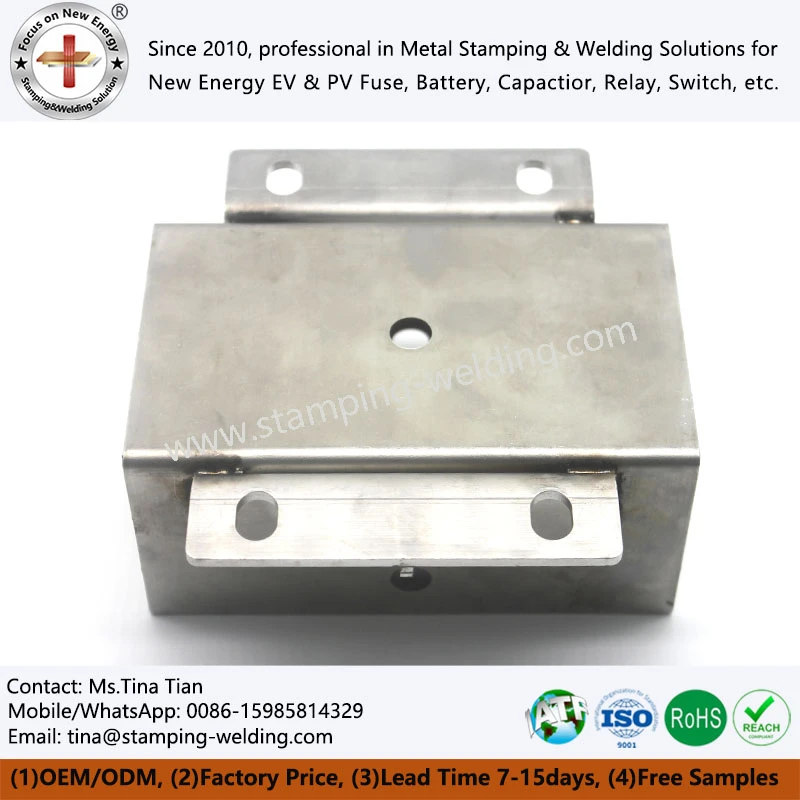
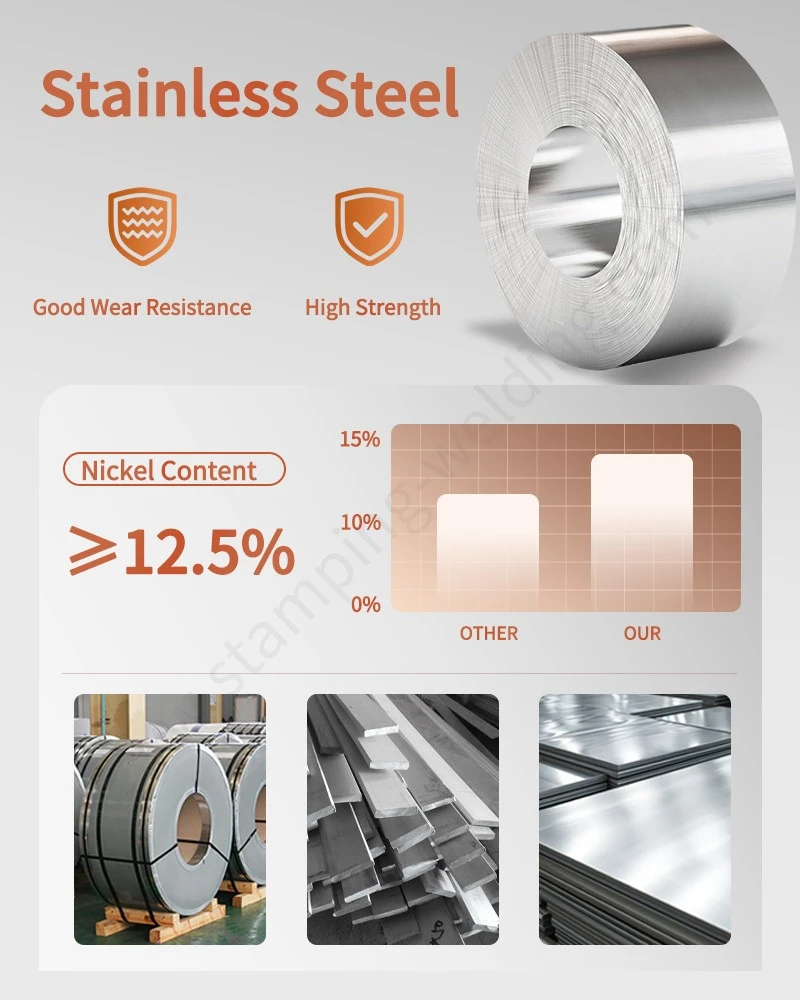
The core competitiveness of stainless steel casings for power capacitors stems from the superior properties of stainless steel itself, which distinguishes them from traditional casings and allows them to withstand harsh operating conditions. The selected 304 or 316 series stainless steel possesses three core characteristics: corrosion resistance, anti-magnetism, and high strength. It can resist corrosion from moisture, salt spray, and chemical media, making it suitable for various harsh environments. The non-magnetic properties of some models can avoid magnetic induction heating under high current, ensuring equipment operating efficiency. The high-strength material can withstand the mechanical stress of internal components during operation, and combined with precision manufacturing processes, it can further enhance protective performance, laying the foundation for the long-term stable operation of the capacitor.
Key selection criteria: leveraging advantages and ensuring compatibility with supporting products
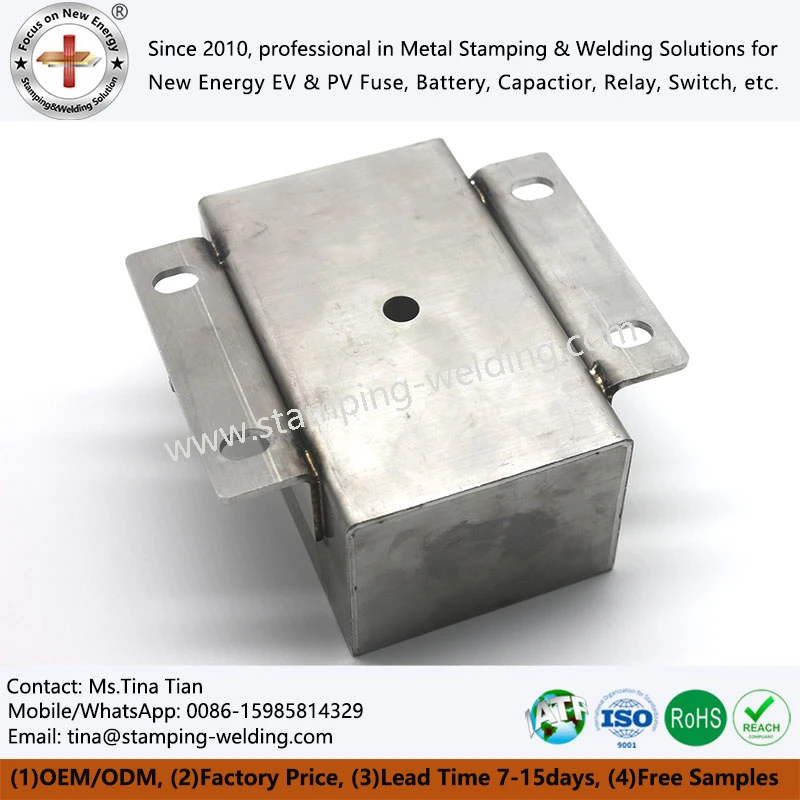
During the selection process, it is essential to precisely match the advantages of stainless steel with the application scenario and supporting products to maximize its protective value. Leveraging its excellent corrosion resistance, it addresses the root cause of corrosion and leakage issues inherent in traditional iron casings. When paired with compatible Capacitor Stainless Steel Can products, protective stability can be further enhanced. Its antimagnetic and high-strength properties reduce operational risks, while the superior sealing performance achieved through precision TIG welding prevents moisture or leakage of insulating media, extending equipment lifespan. The Capacitor stainless steel case, with its precise compatibility, has become the preferred choice for many high-standard projects.
Selection Summary: Core Principles and Value Summary
In general, the core of selecting Rail Transit Power Capacitor lies in "suitability for the scenario and matching advantages." It's necessary to consider the corrosion level of the operating environment, engineering standard requirements, and the capacitor's own parameters to rationally select products with appropriate materials and specifications. Leveraging the core advantages of stainless steel, and pairing it with complementary products such as Stainless Steel Cans, not only can the service life of power capacitors be extended, but the operational stability of the power system can also be improved, safeguarding the safety of power equipment under various harsh operating conditions and providing clear guidance for industry selection.
contact us
If you have any needs for selecting Rail Transit Power Capacitor, or for custom specifications, please feel free to contact us. We will provide you with professional and precise adaptation solutions.