Silver Plating Process
May 18, 2023
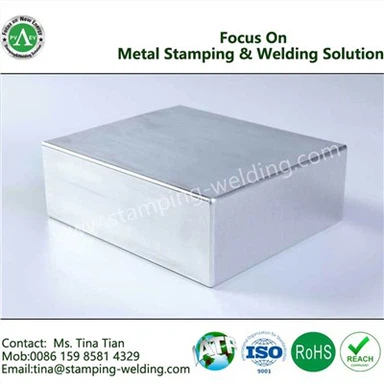
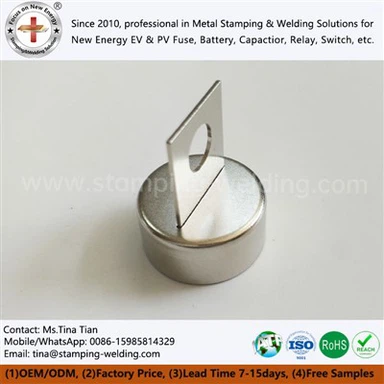
The silver plating process involves depositing a layer of silver onto a substrate or base material using electroplating techniques. This process provides various benefits such as improved appearance, enhanced conductivity, corrosion resistance, and solderability. Here's a description of the silver plating process:
Surface Preparation: The substrate to be plated with silver undergoes a thorough cleaning process to remove any dirt, oils, or contaminants. This step typically involves cleaning with solvents, degreasers, or alkaline solutions to ensure a clean and receptive surface.
Electrolyte Preparation: An electrolyte solution, also known as a plating bath or silver plating solution, is prepared. The electrolyte contains silver ions, along with other chemicals and additives that help control the plating process and improve the quality of the plated layer. The composition of the electrolyte may vary depending on the specific requirements of the plating application.
Electroplating Setup: The substrate to be plated is connected as the cathode, while a silver anode is immersed in the electrolyte solution. Both the cathode and anode are connected to a power supply, which provides direct current (DC) to initiate the electroplating process.
Electroplating Process: When the power supply is activated, current flows from the anode (silver source) to the cathode (substrate), causing silver ions in the electrolyte to be reduced and deposited onto the substrate surface. This forms a uniform layer of silver atoms that gradually builds up to the desired thickness.
Control and Monitoring: The electroplating process requires careful control of various parameters such as current density, plating time, temperature, and agitation. These parameters are monitored and adjusted to ensure consistent and high-quality silver plating results.
Post-Treatment: Once the desired thickness of the silver layer is achieved, the plated substrate is carefully rinsed to remove any residual electrolyte. Depending on the application and desired characteristics, additional post-treatment steps such as drying, buffing, or protective coating may be applied to further enhance the silver-plated surface.
Quality Inspection: The silver-plated substrate undergoes rigorous quality inspection to ensure adherence to specified thickness, appearance, adhesion, and other relevant parameters. This may involve visual inspection, measurement of plating thickness, adhesion testing, and other quality control methods.
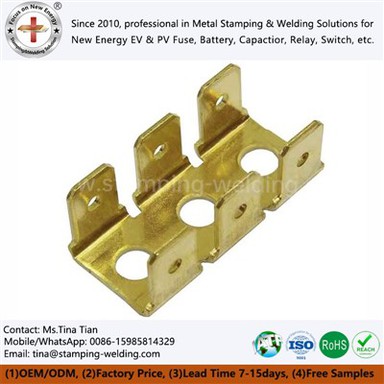
The silver plating process is widely used in various industries, including electronics, jewelry, decorative items, electrical connectors, and components requiring excellent conductivity and corrosion resistance. It provides a durable and aesthetically appealing silver layer, offering both functional and decorative benefits to the plated substrates.