Structural Sheet Metal Fabrication For Integrated Cabinet Commercial And Industrial Energy Storage Cabinet
Aug 12, 2026
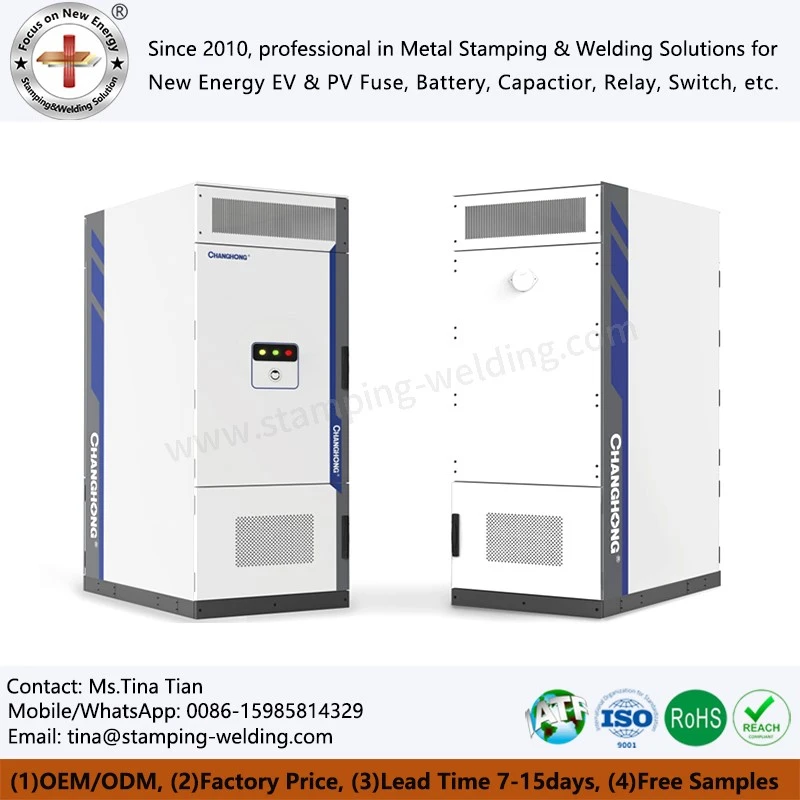
Integrated Cabinet Commercial and Industrial Energy Storage Cabinet require more than a rigid metal enclosure. The cabinet must maintain protection against rain, dust and corrosion while keeping doors, seals, cable entries and internal mounting interfaces dimensionally stable. For an Energy Storage Cabinet OEM, enclosure design and sheet metal fabrication directly affect IP protection, equipment installation and long-term field maintenance.
Outdoor ESS Enclosure Design for IP65/IP66 Protection
For outdoor ESS applications, IP65/IP66 protection depends on the complete enclosure structure rather than the gasket alone. Door-frame accuracy, sealing interfaces, cable glands, drainage and protected ventilation openings must be considered together.
The cabinet structure should provide:
- Uniform gasket compression around the door perimeter.
- Controlled cable entry positions and sealed interfaces.
- Drainage paths that prevent water accumulation.
- Protected ventilation openings where cooling airflow is required.
- Stable panel geometry after cutting, bending and assembly.
- Surface treatment matched to humidity, UV and corrosive environments.
This is particularly important for Outdoor ESS Enclosure Manufacturer projects where the cabinet may remain outdoors for years with limited maintenance access.
CNC Sheet Metal Fabrication for ESS Cabinets
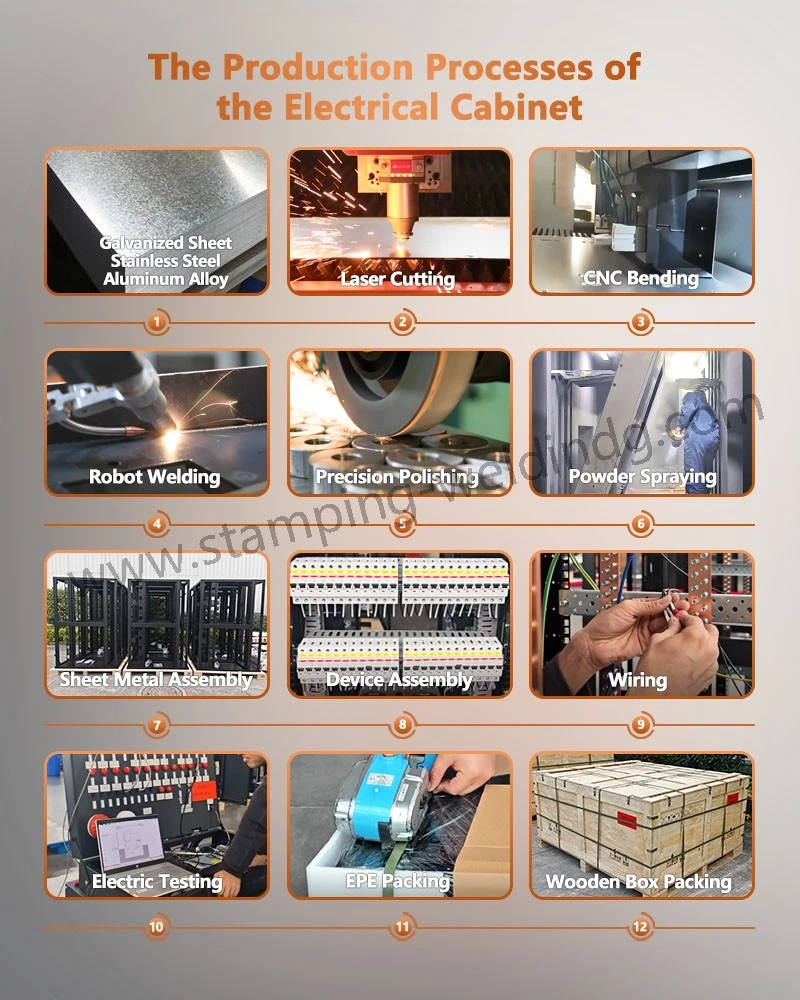
A Custom Sheet Metal Integrated Cabinet Commercial and Industrial Energy Storage Cabinet normally starts with CNC laser cutting, followed by precision bending, forming and assembly.
Laser cutting controls mounting holes, cable openings and panel profiles. Precision bending establishes the cabinet geometry and affects door alignment, mounting accuracy and sealing performance. Manufacturing drawings are reviewed before production to identify bend interference, hole positioning and assembly tolerances.
For OEM projects, production can be developed from 2D drawings, STEP files or 3D CAD data. First-piece inspection is used to verify critical dimensions before batch production.
Corrosion Protection for Outdoor Energy Storage Cabinets
Outdoor cabinets may face humidity, rain, UV exposure and industrial or coastal atmospheres. Material and coating selection should therefore follow the actual installation environment.
Galvanized steel, coated cold-rolled steel and aluminum are common enclosure materials. For steel cabinets, surface preparation followed by powder coating or another specified coating system can provide protection against environmental exposure.
Where higher corrosion resistance is required, coating adhesion, thickness and salt spray performance can be verified according to project requirements, including ISO 9227 where applicable.
The objective is not simply a good-looking surface. Consistent pretreatment and coating coverage help protect cut edges, formed panels and assembled cabinet structures throughout service.
From Fabricated Panels to Complete ESS Cabinet Assembly
For an Energy Storage Cabinet OEM, cabinet supply may include doors, mounting plates, hinges, locks, gaskets, cable-entry components and other mechanical hardware.
Assembly accuracy matters because small dimensional deviations can affect:
- Door alignment and sealing.
- Internal equipment mounting.
- Cable routing.
- Service access.
- Cooling-system interfaces.
Factory assembly can be performed according to approved drawings and BOM requirements, reducing fitting work during the customer's final ESS integration.
Need to verify your ESS cabinet design before production?
Request ESS Cabinet DFM Review
Quality Control for Industrial ESS Enclosures
Inspection focuses on dimensions and features that affect actual cabinet performance.
Typical controls include overall dimensions, mounting-hole locations, bend angles, panel flatness, door alignment, gasket contact, coating condition and hardware installation.
CMM inspection or dedicated gauges can be applied to critical dimensions. Inspection records can be maintained by production batch to support traceability.
For customers operating under ISO 9001 or IATF 16949 supply-chain requirements, inspection records and production documentation can be prepared according to project requirements.
Applications
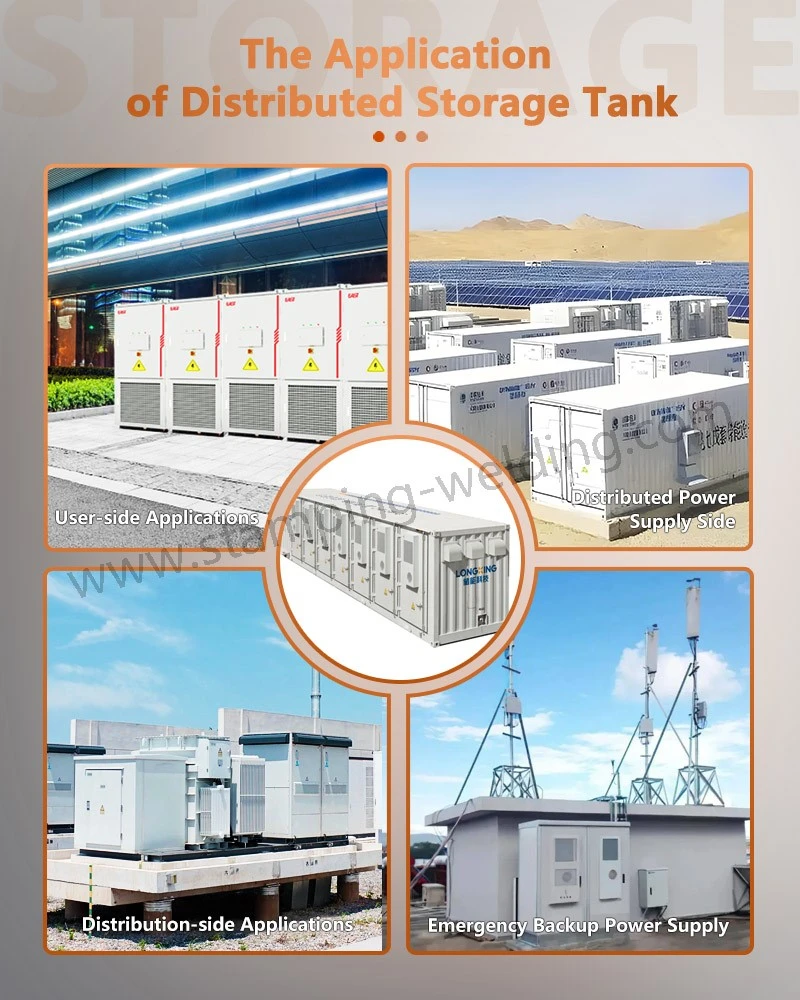
Custom sheet metal Integrated Cabinet Commercial and Industrial Energy Storage Cabinet can be used for:
- Commercial and industrial energy storage systems.
- Outdoor battery energy storage systems.
- Grid-connected industrial storage systems.
- Microgrid energy storage projects.
- Solar PV and energy storage systems.
- Power conversion and distribution equipment.
- Modular energy storage installations.
Cabinet dimensions, mounting structures, cable openings, ventilation interfaces and internal panels can be developed around the battery, PCS and cooling architecture.
Why is it recommended to work directly with an ESS cabinet factory?
Direct factory sourcing connects engineering review with fabrication and assembly. Before production, the manufacturer can evaluate material selection, cutting geometry, bend structure, mounting interfaces and assembly requirements.
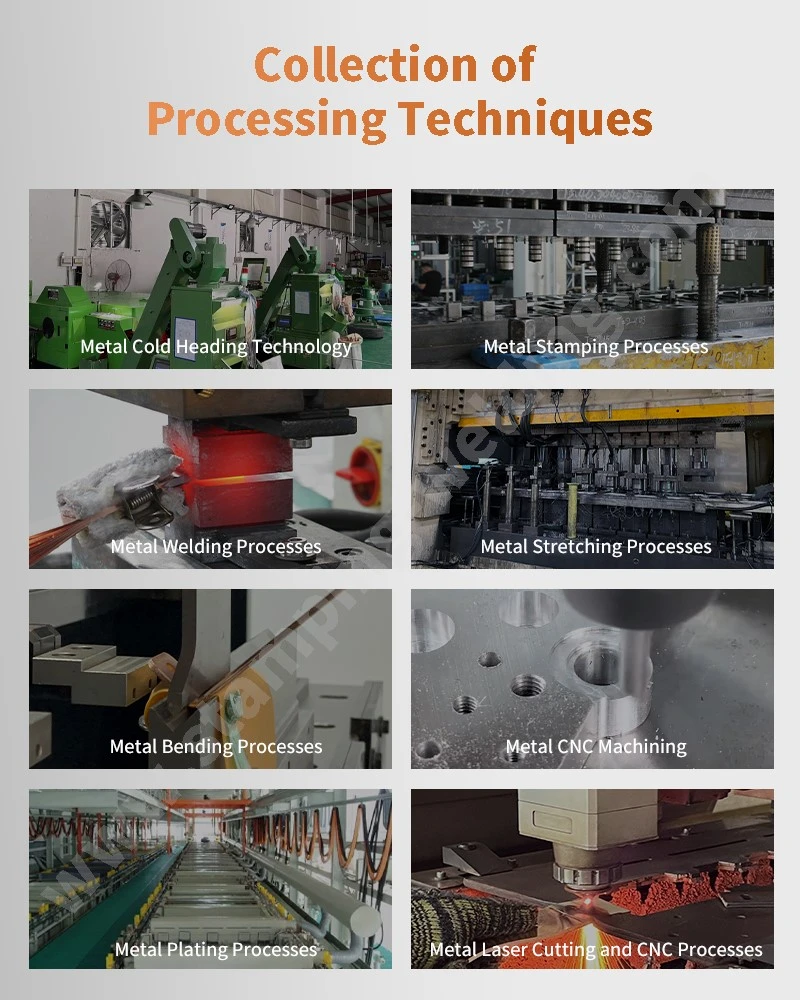
Xiamen Apollo Stamping Welding Technology Co., Ltd provides CNC laser cutting, sheet metal forming, surface treatment and electrical cabinet assembly for customized energy storage applications.
For new projects, customers can submit 2D drawings, 3D CAD files or basic cabinet specifications for DFM review and quotation.
FAQ
Q: How is IP65 or IP66 protection achieved in an outdoor ESS cabinet?
A: IP protection depends on the complete enclosure design, including door sealing, gasket compression, cable entries, ventilation interfaces, panel joints and drainage. The finished enclosure can be tested according to the applicable project specification.
Q: What materials are suitable for outdoor ESS enclosures?
A: Galvanized steel, coated cold-rolled steel and aluminum are common choices. Selection depends on structural load, corrosion exposure, cabinet weight, coating requirements and installation conditions.
Q: Can APOLLO manufacture cabinets from customer drawings?
A: Yes. Manufacturing can be based on 2D drawings, STEP files, 3D CAD models or technical specifications. DFM review can identify fabrication and assembly issues before production.
Q: Can the cabinet be customized for different battery and PCS configurations?
A: Yes. Cabinet dimensions, mounting structures, cable openings, doors, locks, ventilation interfaces and internal panels can be configured according to the battery, PCS and cooling system.
Contact Us
Send your 2D drawing, STEP file or basic cabinet dimensions for a fabrication review. Our engineering team can evaluate material, sheet metal structure, IP protection requirements and assembly details before providing a factory quotation.