What Are The Different Types Of Metal Stamping Processes? 6 Common Stamping Processes
Aug 13, 2024
abstract
In metal aluminum stamping processes, especially aluminum alloy lithium battery casing they are of different types depending on the shape they achieve. Depending on the needs of different industries, various complex designs are forged, such as common consumer goods, aviation, electronics, telecommunications, automotive manufacturing, and other industries. The processes used in the entire metal stamping project are diverse, and a specific design is achieved on the sheet metal for each process.
Some types of metal stamping include: piercing, coining, spraying, drawing, embossing, and blanking. Although they may involve different techniques, they are all performed at room temperature and use little to no heat. These cold-forming processes are achieved through different types of dies, machinery, and other tools to achieve the desired appearance. Read on to learn more.

perforation
Punching is one of the most basic forms of metal stamping. In this method, the sheet metal is placed securely on a workbench. A processing tool is used to punch holes in the metal sheet, creating multiple small hollow areas. Unlike other techniques, the punched material produced during the entire process is discarded and not used later.
In this type of process, the punching motion must remain instantaneous. This ensures that no deformation occurs in the area surrounding the hole. The puncher is usually made of high-carbon steel and is kept in good condition to avoid any deformation that may affect the shape of the metal workpiece.

Blanking
Blanking looks similar to piercing, but there is one major difference – the punched piece is not discarded, but rather considered a finished product. Many metal stampers typically perform this as the first stage of an entire metal stamping project, followed by other techniques such as piercing, bending, or coining.
Blanking is intended for processing small or medium-sized pieces of metal cut from a large sheet of metal. It is an ideal process for both low-volume and high-volume production due to its simplicity, yet ability to create high-precision metal cuts.
However, in some cases, cut metal products may have burrs or sharp, unwanted edges. While they are common, they are usually removed through manual deburring, vibratory finishing, or thermal deburring.
Deep drawing
When referring to metal aluminum alloy stamping, manufacturers usually refer to the drawing process. This is where a machine is used to clamp the two ends of a metal sheet together. Underneath the sheet metal is a die with a certain shape or cross-section. The punch creates a high-impact force that pushes the sheet metal against the die, effectively deforming it to match the cross-section of the die.

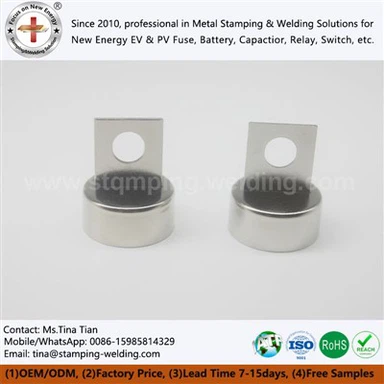
Drawing can be further divided into shallow drawing and deep drawing. Shallow drawing is called shallow drawing because the radius of the primary blank is equal to that of the deep drawing. Meanwhile, deep drawing usually forms a cup-shaped product. This is when the radius of the primary blank is significantly smaller than the depth created
forging
Stamping Sheet Metal
As the name implies, forging is a metal stamping technique where a small piece of metal is punched into the shape and features of a coin. It is a closed die forging technique where the whole or part of a metal sample is stamped by two dies close to each other on either side of the metal.
One advantage of casting is its ability to produce metal products with high tolerances. It is also a simple process that is effective in creating permanent deformations in the product. This increases its resistance to impact and other physical wear and tear.
summary
Some of the most useful techniques in metal fabrication are metal stamping processes. Types are categorized based on how each process is performed.
Simple techniques such as piercing and blanking are often considered the starting point for metal stamping projects - they are usually secondary operations before the final product is created. On the other hand, complex techniques such as drawing, embossing, cutting, and coining can produce special designs that do not require further processing.
The importance of metal stamping cannot be overstated in a variety of industries. Its uses range from small consumer products to large stampings for automotive and other scale industries.
our products
If you are interested in our metal stamping-related products, please click the link below to learn more:
https://www.stamping-welding.com/metal-stamping/