In-depth Understanding Of The Technical Characteristics And Market Applications Of DIP Plastic-coated Insulated Copper Busbars
Aug 13, 2024
Products Overview & Features
Overview:
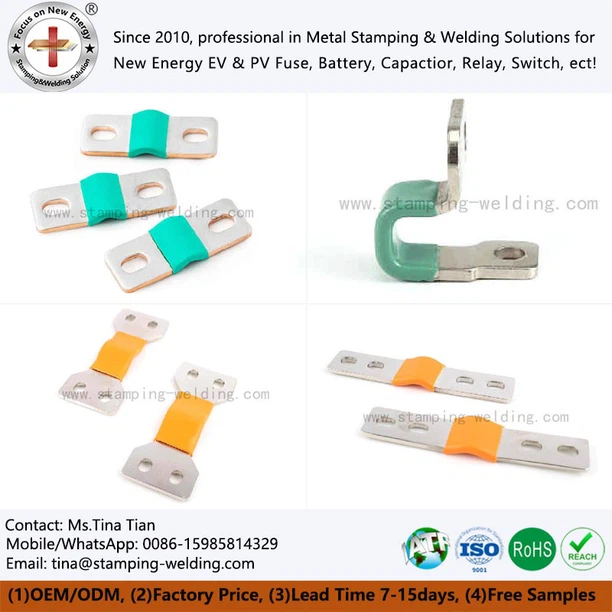
PVC Dipped Insulated Copper Bus Bars are high-performance conductor materials used for power distribution and electrical connections. These copper bars are treated with a special PVC material dissolved at high temperatures to form a surface insulation layer, providing excellent electrical insulation and mechanical strength.
Features:
1. High Conductivity:
Made from electrolytic copper Cu-ETP 99.9%, ensuring efficient power transmission with minimal energy loss.
2. Flexibility and Stress Relief:
Offers excellent flexibility and stress relief characteristics, adapting to various installation configurations and reducing installation stress.
3. Corrosion Resistance:
Copper material itself has good corrosion and wear resistance, extending the product's lifespan.
4. Thermal Conductivity:
Superior thermal conductivity helps with heat dissipation, improving overall system efficiency.
5. Customizability:
Thickness, color, and voltage performance can be customized to meet different customer needs.
Technical features
The technical features of PVC-coated copper busbars include excellent insulation and corrosion resistance. The PVC coating effectively prevents direct contact between the copper busbar and the external environment, avoiding oxidation and corrosion, while providing superior electrical insulation to prevent short circuits and leakage. The coating process used for PVC-coated copper busbars ensures a uniform and robust insulation layer on the surface of the busbars, thereby enhancing their overall reliability and service life.
Products Description
Substations:
For power distribution in high-voltage equipment.
Distribution Rooms:
Ensuring stable power transmission and distribution.
Automotive Battery Packs:
Optimizing internal structure design.
Industrial Power Systems:
Suitable for various industrial equipment power distribution.
They are primarily used to distribute electrical power from the power source to various electrical devices, ensuring the stable operation of the power system. Their main function is to provide reliable power transmission while avoiding electrical faults caused by contact or environmental changes.
Inspection & Storage Methods
Inspection Methods:
1. Electrical Performance Testing:
Includes resistance measurement, insulation resistance testing, and voltage withstand testing.
2. Visual Inspection:
Checks for defects or damage on the product's surface.
3. Physical Performance Testing:
Tests the mechanical strength and flexibility of the product.
Storage Methods:
1. Dry Storage:
Store in a dry and clean environment to avoid moisture and corrosive gases.
2. Dust Protection:
Use dust covers or dustproof boxes to protect the product from dust and other contaminants.

1. Q: Can the insulation layer thickness of DIP Insulated Copper Busbars be customized?
A: Yes, we offer customization services for insulation layer thickness to meet specific customer requirements.
2. Q: Are DIP Insulated Copper Busbars suitable for use in humid environments?
A: Yes, it feature excellent moisture resistance and can operate stably in humid environments.
3. Q: How can I ensure the longevity of DIP Insulated Copper Busbars in corrosive environments?
A: The PVC insulation layer on DIP Insulated Copper Busbars is designed to resist corrosion, but for extreme corrosive environments, additional measures such as using corrosion-resistant coatings or enclosing the bars in protective housings may be required to further extend their lifespan.
4. Q: Can DIP Insulated Copper Busbars be installed in outdoor applications?
A: While they are primarily designed for indoor use, DIP Insulated Copper Busbars can be used outdoors with proper weatherproofing measures, such as protective coatings or enclosures, to protect the insulation layer from direct exposure to harsh environmental conditions.
5. Q: How do I select the appropriate insulation thickness for my application?
A: The selection of insulation thickness depends on various factors including the operating voltage, environmental conditions, and safety requirements. It's recommended to consult with a qualified electrical engineer or the manufacturer to determine the optimal insulation thickness for your specific application.