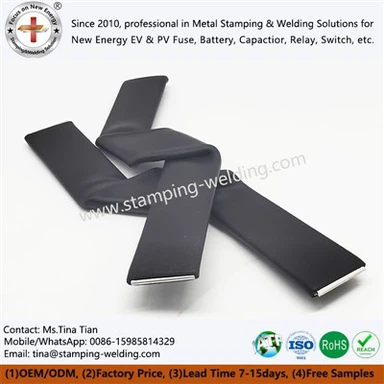
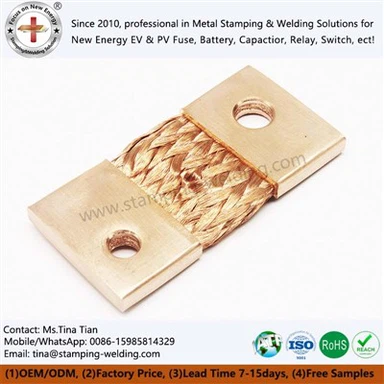
6101 aluminium flat busbar: a dual excellent material for conductivity and structural support, suitable for various fields of needs
Mar 31, 2026
Material properties and core advantages of 6101 aluminium flat busbar
6061 aluminum busbar is an aluminum alloy profile with a rectangular or flat cross-section, made from high-purity aluminum or aluminum alloy through processes such as extrusion and rolling. Its core advantage stems from the dual empowerment of material properties and structural design.
Firstly, it has excellent conductivity, with pure aluminum bars having a conductivity of up to 62% IACS, while mainstream 6-series aluminum alloy bars can still maintain a conductivity of 55% to 60% IACS after optimization. Combining its density advantage of only 2.7g/cm ³, aluminum bars weigh only about one-third of copper bars under the same current transmission requirements, resulting in higher conductivity efficiency per unit weight.
Secondly, it has good mechanical properties and processability. Aluminum busbar electrical power connectors are easy to perform secondary processing such as shearing, bending, drilling, and welding. Some high-strength models can achieve a tensile strength of over 290MPa after heat treatment, which can meet both electrical conductivity and structural support requirements.
In addition, the surface of aluminum bars can naturally form oxide films or enhance corrosion resistance through anodizing, and the raw material cost is only one fourth to one third of that of copper, making it highly economical.
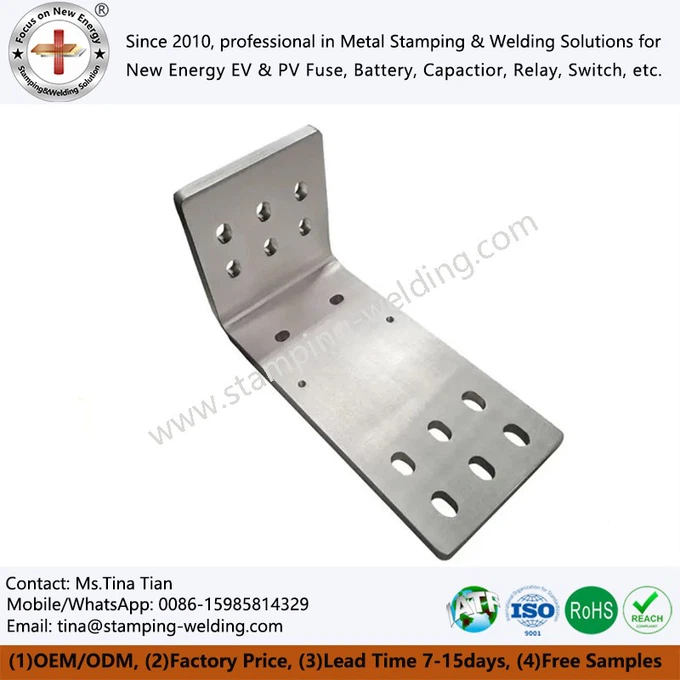
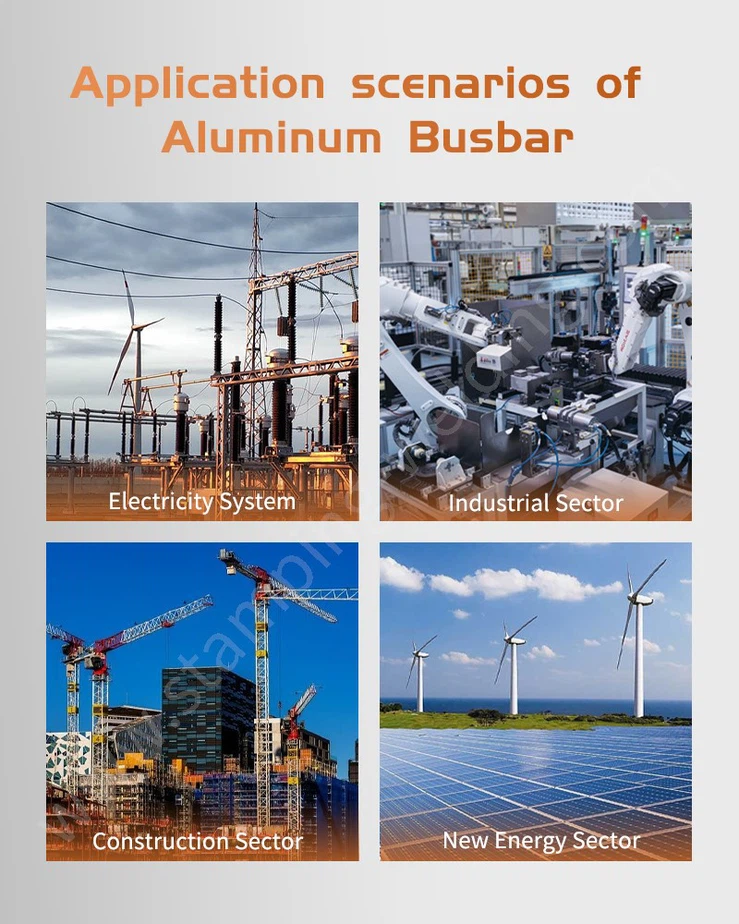
Typical application scenarios of 6101 aluminium flat busbar in multiple industries
The application scenarios of Customized aluminum busbars cover multiple core fields such as electricity, transportation, and electronics, and continue to expand with the development of the new energy industry.
In the field of power, aluminum bars are widely used for low-voltage busbar bridges in substations, conductive connections inside switchgear in distribution rooms, and outdoor busbars for high-voltage transmission lines. Their lightweight characteristics effectively reduce the load on busbar supports.
In the field of transportation, high-strength Flexible aluminum connections serve as the main connection busbar for new energy vehicle battery packs and the internal conductive busbar for charging stations, significantly reducing the weight of vehicles and equipment while transmitting high currents.
In rail transit, it is mostly used for the internal power distribution system of subway cars to adapt to complex wiring requirements.
In the field of electronics, small-sized aluminum bars are commonly used for conductive connections inside server power modules and UPS equipment. Their high-precision dimensions ensure tight contact and effectively reduce heat loss.
Selection criteria and quality control requirements
When selecting and using Aluminum flexible connections, it is necessary to focus on the core parameters and conduct strict quality control based on specific scenarios. For conductive scenes, it is necessary to focus on detecting conductivity, cross-sectional size accuracy to ensure uniform current distribution, and surface flatness to reduce contact resistance. For structural support and conductive scenarios, it is necessary to verify mechanical properties such as tensile strength and yield strength, as well as salt spray corrosion resistance. In high voltage and high current scenarios, additional testing is required for temperature rise performance (temperature rise after current loading usually does not exceed 60K) and insulation coating adhesion.
In terms of production quality control, it is required to use high-purity aluminum ingots to make casting rods, strictly control the content of alloy elements through spectral analysis, and perform online flatness correction and surface defect detection of 6101 aluminum bus bar after processing. In the finished product stage, samples need to be taken for conductivity, mechanical properties, and salt spray testing to ensure that each batch of products has traceable testing reports.
The future technological development trend of the industry
With the rapid development of industries such as new energy and ultra-high voltage power, the application of 6101 T61 aluminum bus bar is accelerating towards higher current, lighter weight, and greater corrosion resistance. Through deep optimization of alloy composition, innovation in extrusion and rolling processes, and upgrading of surface treatment technology, aluminum bars are expected to achieve technological breakthroughs in high-end fields such as ultra-high voltage transmission, hydrogen energy storage equipment conductive structures, and aerospace ground power supply systems.
In the future, the Electrical aluminum busbar flexible joint will no longer be just a substitute for traditional copper bars, but a core foundational material derived from its own material properties that can promote efficient energy transmission and lightweight industrial equipment. It will continue to provide reliable physical support for the electrification upgrade of various industries.
contact us
In the face of increasingly stringent engineering requirements and lightweight trends, choosing the appropriate aluminum busbar material is crucial to the success or failure of the project. We are always ready to provide you with professional selection and technical support. Welcome to contact us directly for detailed 6101 aluminium flat busbar solutions and customized quotes, empowering your next electrification project with high-quality aluminum bar products.