Aluminum shell for lithium battery: a comprehensive analysis of material characteristics, process classification, technical standards, and industry applications
Apr 02, 2026
Basic concepts and material properties of Aluminum shell for lithium battery
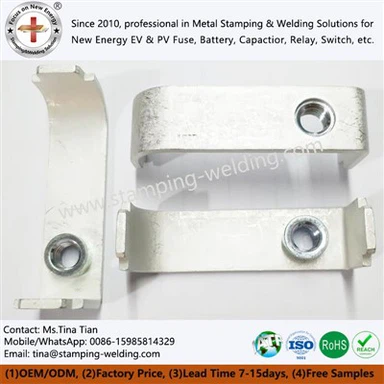
The New energy aluminum battery case is an equipment protective shell made of aluminum alloy material, mainly divided into two types: aluminum profile shell and aluminum die-casting shell. Its material density is about 2.63-2.85 g/cm ³, while the density of aluminum itself is only about 2.7 g/cm ³. It has high strength, good conductivity, thermal conductivity, and excellent corrosion resistance. Aluminum alloy shells not only have high structural strength, but also have good heat dissipation and electromagnetic shielding properties, making them widely used in various devices with high requirements for weight, heat dissipation, and protection performance.

Main classification and process characteristics
According to different molding processes, the Aluminum shell for lithium battery is mainly divided into aluminum profile shells and aluminum die-casting shells. The aluminum profile shell is cut and formed through stretching technology, and a circuit board slot is usually pre-set inside for easy installation of electronic components, but its waterproof performance is relatively weak. The aluminum die-casting shell adopts a one-time die-casting molding process, with a dense overall structure and good waterproof and explosion-proof characteristics, making it more suitable for use outdoors or in harsh environmental conditions.
In addition, the production process of Automotive battery aluminum cases also includes CNC machining, sheet metal and extrusion, and the entire process covers mold design, machining, surface treatment (such as sandblasting, polishing, anodizing) and other links. CNC machining centers, drilling and tapping machines, precision carving machines, laser machines and CNC cutting machines are commonly used in large-scale production, and the CNC machining accuracy can reach 0.01 mm level.

Technical Standards and Application Fields
In terms of technical standards, the national standard GB/T 28819-2023 "Aluminum Alloy Enclosures for Inflatable High Voltage Switchgear" has been developed for Aluminum case for new energy cars used in high-voltage switchgear, and officially implemented on July 1, 2024. This standard specifies the material, design, manufacturing, and inspection requirements for aluminum alloy enclosures used in outdoor and indoor high-voltage switchgear filled with compressed dry air, sulfur hexafluoride, nitrogen, or mixtures of these gases.
From the perspective of application fields, Lithium battery aluminum cases are widely used in industries such as electronic devices, new energy vehicles, medical equipment, and instrumentation. In the field of electronic devices, its excellent heat dissipation and electromagnetic shielding performance make it a common choice for products such as laptops, mobile phones, tablets, etc; At the same time, it is widely used in fields such as power electronics, communication, power supply, broadcasting, aerospace, national defense, and locomotives and vehicles.

Industry Manufacturing Chain and Development Direction
The Prismatic aluminum case power battery industry has formed a relatively complete manufacturing industry chain, covering mold manufacturing, deep processing of aluminum products, and surface treatment. With the continuous innovation of manufacturing processes, there are constantly emerging technological improvements in the industry aimed at improving processing stability, precision, and optimizing heat dissipation structures. Overall, Aluminum battery casing maintains stable application demand in multiple industrial fields due to its lightweight, high strength, ease of molding, and good environmental adaptability. In the future, the development focus of this industry will continue to revolve around improving processing accuracy, optimizing sealing performance (such as increasing waterproof levels), improving heat dissipation structures, and meeting more stringent outdoor and high-pressure application environmental requirements.
Contact us
The above content systematically summarizes the material properties, process classification, technical standards, and industry development trends of the Aluminum shell for lithium battery. If you need to further understand specific processing plans or negotiate customized cooperation, please feel free to contact us through the platform. We will provide you with professional technical support and product services.