Analysis of Lightweighting Trends and Manufacturing Technology Evolution for New Energy Vehicle Power Battery Enclosures
Oct 04, 2026
As the new energy vehicle (NEV) industry advances toward longer ranges, enhanced safety, and higher levels of integration, the structural design and manufacturing technology of power battery systems-core components of the vehicle-are continuously evolving. Serving as a critical load-bearing structure that connects the battery system to the vehicle chassis, the power battery enclosure not only secures, protects, and supports the battery cell modules but also meets multifaceted requirements regarding crash safety, sealing, thermal management, and lightweighting.
In NEV applications, the power battery enclosure is typically mounted on the vehicle chassis and comprises an upper housing, a lower housing, sealing structures, connectors, heat dissipation components, and interface assemblies. The lower housing bears the primary structural load, requiring high structural strength and resistance to deformation, whereas the upper housing focuses on sealing, protection, and environmental isolation. With the increasing integration of battery systems, the power battery enclosure has evolved from a simple protective shell into a vital component that plays an active role in the vehicle's overall structural design.
Key Functions and Structural Characteristics of Power Battery Enclosures
First and foremost, the power battery enclosure must meet mechanical protection requirements. During vehicle operation, the enclosure is subjected to complex loads-including the weight of battery modules, road vibrations, and crash impacts-and must utilize a sound structural design to minimize the impact of external forces on the battery cells. Additionally, the enclosure structure must maintain dimensional stability over long-term use to prevent structural failure caused by fatigue loading.
Sealing performance is another critical metric for power battery enclosures. Since NEVs often operate in challenging environments exposed to rain, mud, sand, and salt spray, the enclosure design incorporates sealing strips, sealants, and robust connection structures to enhance overall protection and ensure the battery system operates reliably under diverse conditions.
Furthermore, the power battery enclosure plays a supporting role in thermal management. As battery capacities increase, so does the heat generated during charging and discharging; consequently, the enclosure often works in conjunction with systems such as liquid cooling plates and heat dissipation channels to regulate battery temperature, thereby extending cycle life and enhancing operational safety.
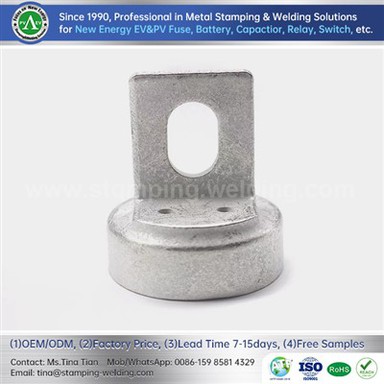
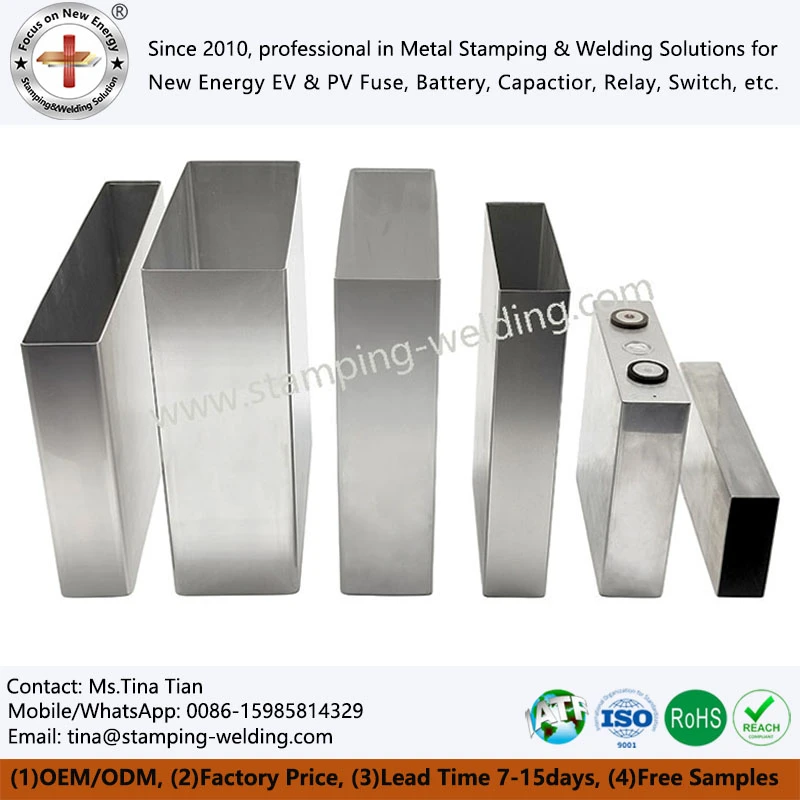
Driven by the trend toward lightweighting in NEVs, aluminum alloys have increasingly become a preferred material for power battery enclosures. Compared to traditional steel, aluminum alloys offer advantages such as low density, corrosion resistance, and ease of processing, enabling effective reductions in vehicle weight and improvements in energy efficiency. Aluminum battery cases for new energy vehicles (NEVs) have emerged as a key area of development for structural components in the industry.
Evolution of Materials and Manufacturing Technologies for Power Battery Cases
The development of power battery cases has shifted from steel structures to aluminum alloy structures and, more recently, to multi-material hybrid designs. In the early stages of the NEV market, when scale was limited, battery cases were primarily manufactured using stamped and welded steel plates, focusing mainly on basic protection. As requirements for driving range increased and the need for lightweighting grew, aluminum alloys began to see widespread adoption.
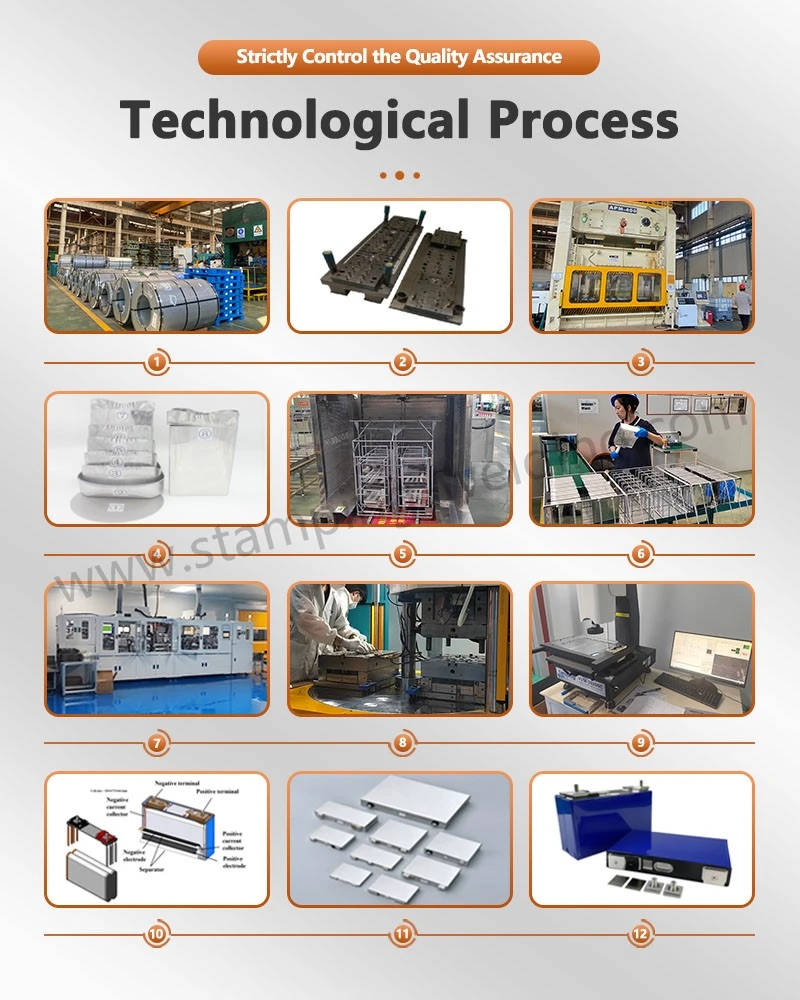
Currently, aluminum battery cases are primarily manufactured using extrusion, stamping, and casting processes. Aluminum extrusion involves processing alloy material into profiles with specific cross-sections, which are then cut, welded, and assembled to form the case structure; this method offers high strength, dimensional flexibility, and high production efficiency.
Aluminum sheet stamping is another vital manufacturing process. By using molds to plastically deform aluminum sheets, manufacturers can produce parts with complex geometries, making this method suitable for certain case lids and protective components. With advancements in automated manufacturing, the application of stamped aluminum parts in the NEV sector continues to expand.
For battery case components featuring complex structures and high levels of integration, some manufacturers employ casting processes to achieve unitary (one-piece) molding. While this approach reduces the number of parts and enhances structural integrity, it places higher demands on equipment investment, material control, and process stability.
Key Processes in Power Battery Case Production
Manufacturing a power battery case involves multiple stages, including material processing, forming, joining, surface treatment, and inspection.
During the forming stage, manufacturers must select the appropriate process based on the product's structural and performance requirements. Stamping is well-suited for the mass production of thin-walled structural components, whereas extrusion is better suited for frame structures requiring high strength and continuous cross-sections. As the NEV market's demand for precision structural components rises, aluminum stamping technology is evolving toward higher precision and greater automation.
Regarding joining processes, welding is commonly used to securely connect the profiles of the battery case. Common techniques include laser welding, friction stir welding, and traditional arc welding. Among the various techniques, friction stir welding is notable for causing minimal welding deformation and ensuring consistent joint quality, making it ideal for aluminum alloy battery enclosures that require high sealing performance.
Surface treatment also plays a critical role in the long-term reliability of power battery enclosures. Since aluminum alloys are susceptible to environmental factors, processes such as anodizing, spraying, or other anti-corrosion treatments are typically applied during manufacturing to enhance weather resistance.
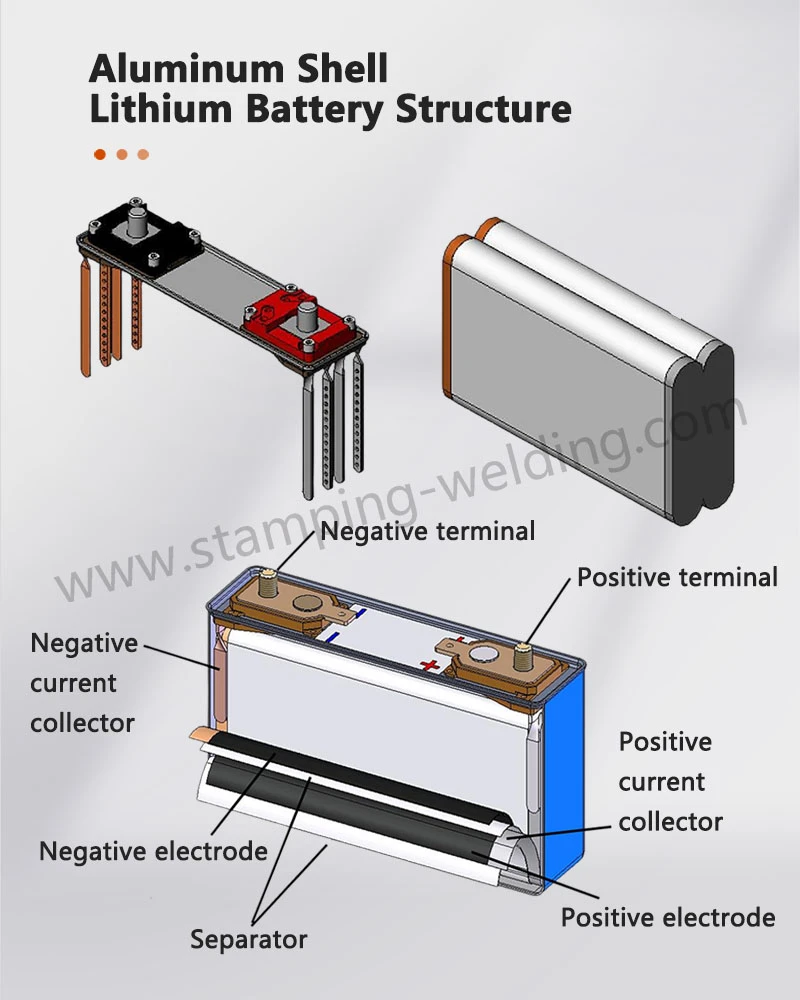
Furthermore, as battery system architectures continue to evolve, aluminum structural components-such as aluminum shells for lithium-ion batteries-demand higher standards for material properties and machining precision, requiring a balance of strength, sealing integrity, and long-term operational reliability.
Industry Trends for Power Battery Enclosures
Rising sales of new energy vehicles are driving the continued expansion of the power battery enclosure market. With increasing battery capacities and vehicle platform upgrades, these enclosures must not only meet safety standards but also achieve weight reduction and improved space utilization.
Looking ahead, the industry will see a diversification of materials used for power battery enclosures. While aluminum alloys will retain their prominent position, high-strength steels, composite materials, and other lightweight alloys will be utilized in complementary roles across different vehicle models. Each material system will be leveraged for its specific advantages based on vehicle positioning, cost constraints, and performance targets.
In terms of manufacturing, intelligent production is a key driver of industry upgrades. Technologies such as automated stamping equipment, robotic welding, in-line inspection systems, and digital production management will further enhance product consistency and manufacturing efficiency. For large-scale production projects, custom aluminum stamping allows for adjustments in dimensions, shape, and performance to meet the structural requirements of various vehicle models, thereby improving product adaptability.
Meanwhile, the trend toward structural integration in battery systems is reshaping the design philosophy for power battery enclosures. Technical approaches such as CTP (Cell-to-Pack), CTB (Cell-to-Body), and CTC (Cell-to-Chassis) require the enclosure to assume additional structural functions, transforming it from a simple protective component into an integral part of the vehicle's overall structure.
Challenges in Power Battery Enclosure Manufacturing
Despite the rapid growth of the power battery enclosure industry, several technical challenges remain.
First, fluctuations in raw material prices impact manufacturing costs. As aluminum alloy is a primary material, price volatility directly affects cost control; consequently, companies must optimize supply chain management and improve material utilization rates.
Second, the use of multiple materials presents challenges regarding joining and assembly. Issues such as differing coefficients of thermal expansion and the risk of electrochemical corrosion between dissimilar materials necessitate the use of novel joining technologies and structural designs to ensure long-term reliability.
Furthermore, a balance must be struck between lightweighting and safety performance. Power battery enclosures must reduce weight while simultaneously meeting rigorous standards for crashworthiness, crush resistance, and durability-placing higher demands on material R&D and manufacturing processes.
Amid the globalization of the new energy vehicle (NEV) industry, battery structural components-such as square aluminum casings-must comply with the safety standards and environmental regulations of diverse markets, compelling manufacturers to continuously enhance their technical capabilities.
Future Development Trends for Power Battery Enclosures
In the coming years, the power battery enclosure industry will evolve around lightweighting, integration, intelligent manufacturing, and green manufacturing.
Aluminum alloys will remain the dominant material choice, thanks to their weight advantages and mature processing ecosystems.
Meanwhile, precision processing technologies-such as aluminum sheet metal stamping-will further enhance manufacturing capabilities for complex structural components, enabling products to meet stricter dimensional accuracy and performance specifications.
As NEV platforms undergo continuous upgrades, battery enclosures will take on expanded roles, such as integrating thermal management systems, electrical interfaces, and structural connections to the vehicle body. Integrated products, such as aluminum battery pack housings, will see wider adoption in high-performance NEVs.
Additionally, environmental regulations will drive the manufacturing of power battery enclosures toward low-carbon practices. Material recycling, energy-efficient production processes, and green supply chain management will emerge as critical factors in industry competitiveness.
Overall, power battery enclosures have become pivotal structural components within the NEV supply chain. Manufacturing technologies are evolving from traditional processing methods toward the application of high-performance materials, precision manufacturing, and system integration. Suppliers possessing advanced processing capabilities and engineering expertise will be best positioned to meet the procurement needs of NEV manufacturers for highly reliable, lightweight, and customized structural components.
contact us