Analysis of the technical advantages of plastic-impregnated copper bars
May 15, 2026
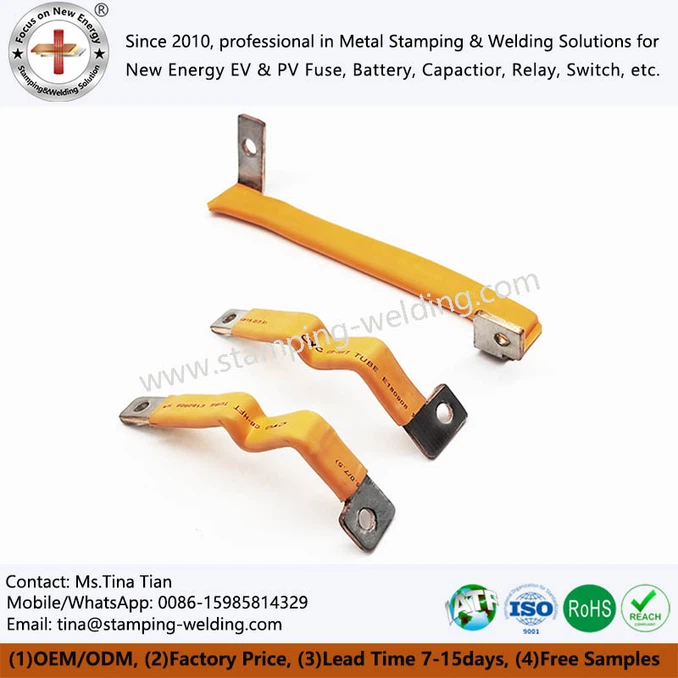
As a key electrical component that combines a highly conductive copper matrix with a polymer protective layer, the technical advantage of the impregnated copper strip is to significantly improve the stability, safety and service life of the conductive system under complex working conditions. This process effectively solves the problems of traditional bare copper bars that are prone to oxidation, corrosion, and insufficient insulation by forming a continuous, dense insulation and anti-corrosion barrier on the surface of the copper bar. PVC Coated Bus Bars play an indispensable role in power distribution and control systems, and their performance is directly related to the reliable operation of complete sets of equipment. Compared with traditional surface treatment methods such as electroplating or spraying, the protective layer formed by the dip molding process shows better technical indicators in terms of adhesion, uniformity and environmental adaptability, and has become one of the mainstream protection solutions in the fields of new energy, power transmission and distribution, and industrial automation.
Technical principles and core process points
The technical core of the dip molding process is to immerse the strictly pretreated copper bars into PVC or PE powder in a molten flow state. The processing temperature is usually controlled between 180°C and 220°C. This temperature range can ensure that the polymer material is fully melted and leveled evenly without adversely affecting the mechanical properties of the copper matrix. The automated control achieved by the hanging chain dipping line can accurately adjust the dipping time and pulling speed to ensure that the coating thickness is stably controlled within the engineering-recommended range of 0.1mm to 0.5mm. The degree of realization of Busbar Isolation is highly dependent on the fine control of this process. Compared with defects such as sagging and uneven thickness that are prone to occur in traditional spraying, or problems with thin plating layers and pores, the coating formed by the dip-molding process has no sagging or bubbles, and forms a strong physical and chemical bond with the copper matrix to build a truly continuous insulation barrier. In addition, this process also supports the one-time complete coating of special-shaped, curved or complex copper bars with mounting holes, avoiding coating dead corners. This is a process breakthrough that is difficult to achieve with other surface treatment technologies.
Typical application scenarios and key operating specifications
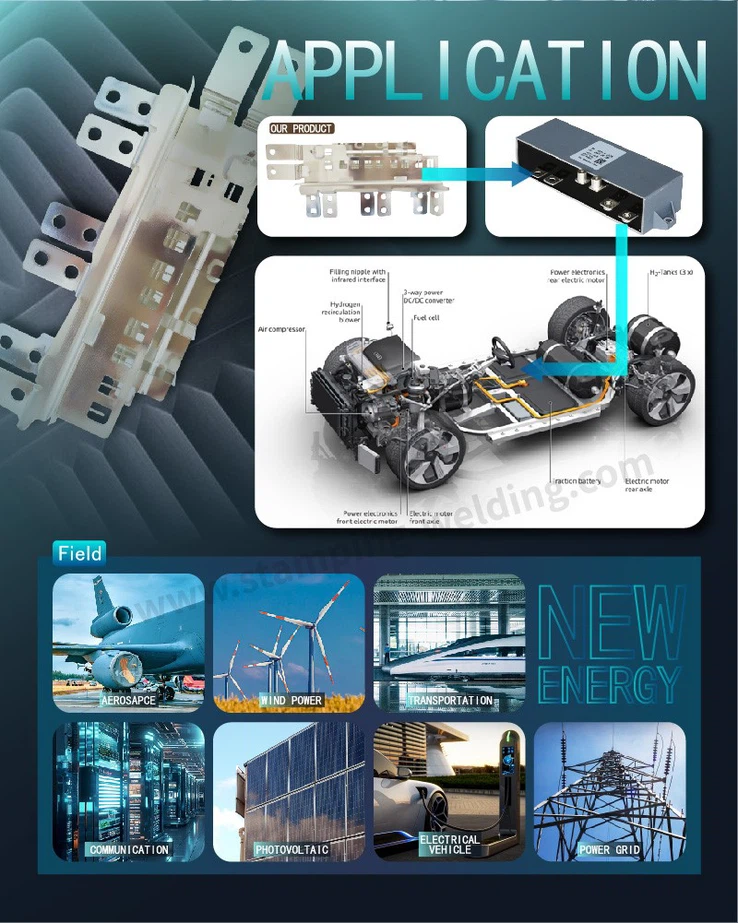
Plastic-impregnated copper bar technology widely serves the core areas of electrical equipment manufacturing and power engineering, including medium and low-voltage distribution cabinets (as main busbars and branch busbars), power transformer inlet and outlet ends, new energy electric vehicle DC charging pile internal conductive bars, photovoltaic inverter AC side connections, and power distribution units of automated control systems. For the special scenario of power battery packs, the dip molding process used in the Insulated Flexible Copper Bus Bar for Power Battery Pack also needs to take into account both flexibility and bending resistance.
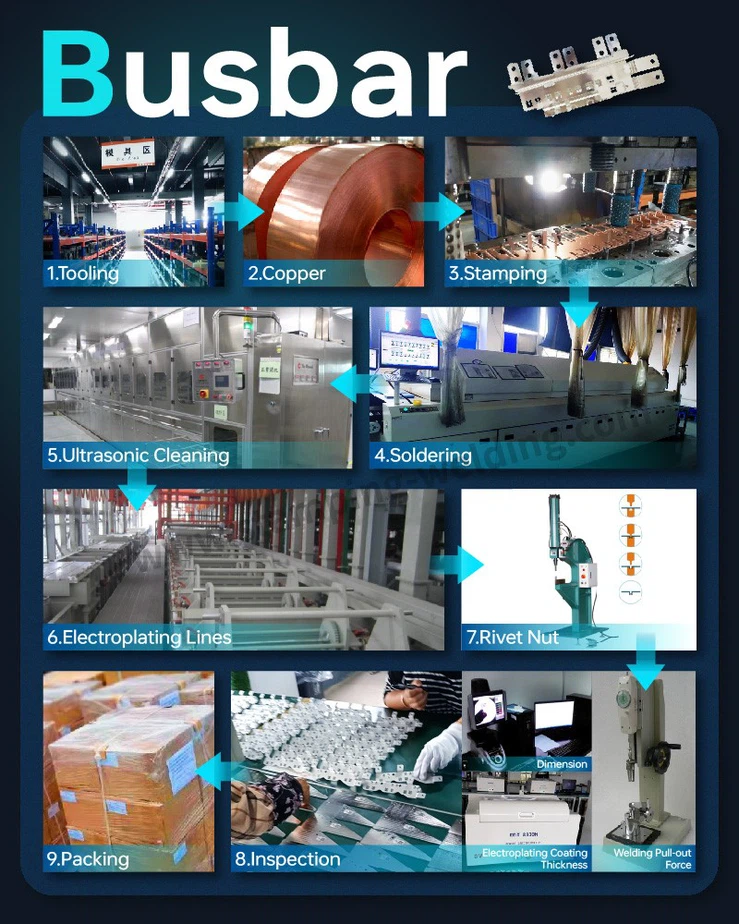
In terms of processing operation specifications, copper rows must undergo a strict surface pretreatment process before dipping, that is, chemical degreasing, pickling and rust removal, water washing and neutralization, and drying in order to ensure that the surface is free of any grease, oxides or particle pollutants, otherwise the adhesion of the coating will be seriously affected. During the dipping process, operators need to monitor the furnace temperature curve, powder fluidization state and dipping time in real time to avoid internal stress, cracking or local shedding of the coating due to temperature fluctuations or improper time. A standard production cycle usually takes 7 to 15 days, which includes incoming material inspection, pre-treatment, dipping, cooling, trimming and 100% factory inspection. Each product must pass core indicators such as impact strength, cross-hatch adhesion and insulation withstand voltage.
Technical advantages and actual performance
Compared with traditional copper busbar treatment methods, the dip-molding process has three outstanding advantages: first, it is environmentally friendly, PVC/PE powder can be recycled, and reduces volatile organic emissions; second, it is highly adaptable and can support customized processing of special-shaped copper busbars to meet special structural designs; third, it has low maintenance costs and uniform coating, which significantly reduces the frequency of regular maintenance. Currently, plastic-impregnated copper bars have become one of the mainstream solutions for electrical equipment protection, covering various application forms such as soft connections, plastic-impregnated connection bars, and busbar isolation supports.
contact us
The company specializes in the production of various high-quality Plastic Dipping Copper Busbar products, including insulated customized copper busbars, flexible connection copper busbars and plastic-impregnated busbar connectors. We strictly follow industry process standards and support customization according to drawings and fast delivery. If you need detailed technical parameters or quotation plans, please contact our engineering and technical team. We will provide you with professional selection suggestions and after-sales service support.