


Electric Applications of Steel Stamping Parts
Feb 27, 2025
Steel stamping parts have long been a cornerstone in the electric industry, thanks to their exceptional strength, durability, and ability to withstand high temperatures. These attributes make steel an ideal material for a wide range of electric applications, from small components to large-scale industrial equipment. The precision manufacturing processes involved in steel stamping ensure that these parts meet the stringent requirements of modern electrical systems, contributing to the overall efficiency and reliability of electric devices.
One of the most critical applications of steel stamping in the electric industry is the production of motor laminations. These thin, precisely engineered steel sheets are stacked together to form the core of electric motors. The laminations must be thin yet strong, capable of generating a magnetic field when energized. Steel's inherent magnetic properties, combined with its high strength, make it the material of choice for this application. The manufacturing process involves high-tonnage rapid stamping presses, which ensure the precise geometrical accuracy required for optimal motor performance. Additionally, the use of advanced technologies such as laser cutting and single notching allows for the production of test samples and smaller batches with high precision.
Steel stamping is also integral to the production of switch components, such as contact plates and actuator arms. These components are subjected to repeated use and must withstand significant mechanical stress. Steel's toughness and durability ensure that these parts can endure the rigors of constant operation without degradation. The manufacturing process involves meticulous stamping and forming techniques to achieve the precise dimensions and mechanical properties required for reliable performance.

Electrical enclosures represent another significant application of steel stamping in the electric industry. These enclosures protect sensitive electrical components such as circuit breakers and transformers from environmental factors, physical damage, and unauthorized access. Steel's strength and durability make it an ideal material for constructing robust enclosures that can withstand harsh conditions. The stamping process allows for the production of complex shapes and sizes, ensuring that the enclosures fit seamlessly into various electrical systems.
Terminal blocks are another example of steel stamping parts used in electric applications. These components are essential for connecting wires to electrical devices and must be able to withstand high temperatures and electrical currents. Steel's thermal and electrical properties make it an ideal material for terminal blocks, ensuring reliable connectivity and long-term performance. The stamping process allows for the production of terminal blocks with precise dimensions and consistent quality, meeting the stringent requirements of modern electrical systems.
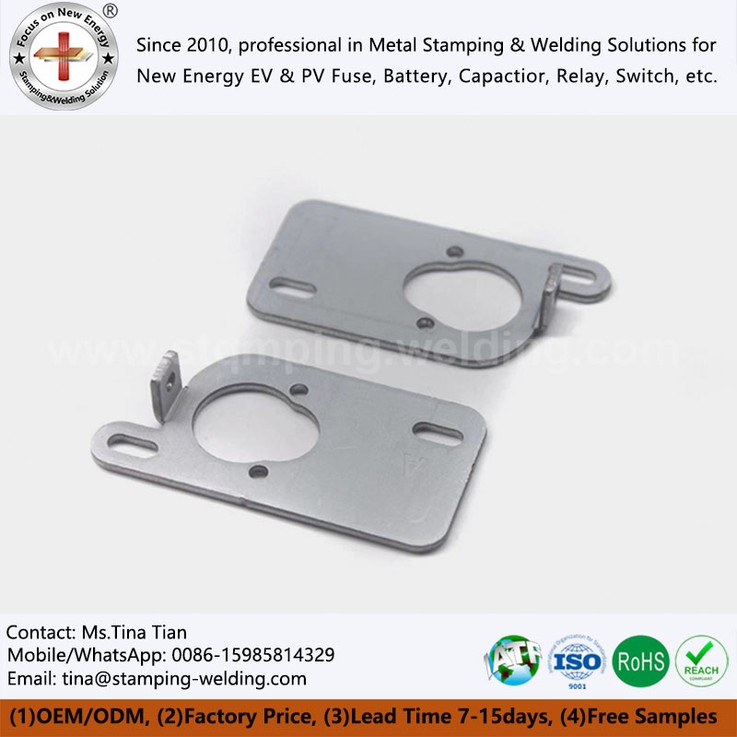
The versatility of steel stamping extends beyond these specific applications. For instance, steel is also used in the production of various mounting brackets, side panels, and housing components for electrical equipment. These parts require high precision and consistency to ensure proper fit and function within complex electrical systems. Additionally, steel stamping is employed in the manufacturing of components for transformers, such as shell and core clamps, which must be strong and durable to support the heavy and critical components of these devices.

In the realm of electric motors, steel stamping is used not only for laminations but also for other critical components such as motor end covers and fan covers. These parts must be lightweight yet strong, capable of withstanding the mechanical stresses generated during motor operation. Steel stamping allows for the production of these components with high accuracy and consistency, ensuring optimal performance and reliability.
The electric industry also relies on steel stamping for the production of components used in switchgear and distribution boxes. These parts, including door panels, side panels, and operating handles, must be robust and reliable to ensure the safe and efficient operation of electrical systems. Steel's strength and durability make it an ideal material for these applications, while the stamping process ensures that the components meet the precise specifications required for seamless integration into electrical equipment.
The manufacturing of steel stamping parts for electric applications involves a combination of advanced technologies and meticulous quality control. High-tonnage presses and precision tooling ensure that each part is produced to exacting standards, while continuous monitoring and inspection processes guarantee consistency and reliability. The use of modern materials and manufacturing techniques allows for the production of components with high strength, durability, and thermal resistance, meeting the demanding requirements of the electric industry.

In conclusion, steel stamping parts are indispensable in the electric industry due to their strength, durability, and ability to withstand high temperatures. From motor laminations and switch components to electrical enclosures and terminal blocks, steel stamping provides the precision and reliability required for modern electrical systems. The combination of advanced manufacturing techniques and high-quality materials ensures that these components meet the stringent standards of the industry, contributing to the overall efficiency and safety of electric devices.
contact us


