Heat shrink tube insulated busbar solution protects the stable operation of new energy power systems
Feb 12, 2025
Industry pain points: The demand for insulation protection has been upgraded, and traditional solutions are in urgent need of innovation.
As the power density of new energy equipment continues to increase, high current and high voltage scenarios have increasingly stringent requirements for the insulation performance of PE Heat Shrink Tube Insulated Busbar. Traditional insulation materials are prone to insulation failure due to high temperature aging, mechanical wear or environmental corrosion, causing potential safety hazards such as leakage and short circuits. Especially in scenarios such as outdoor energy storage power stations and electric vehicle power battery packs, how to achieve the multiple goals of long-term insulation, efficient heat dissipation, and resistance to environmental erosion has become a common demand for upstream and downstream industry chains.

Technical Highlights: Five Core Values of Heat Shrinkable Tube Insulated Busbars
Triple protection, excellent insulation performance
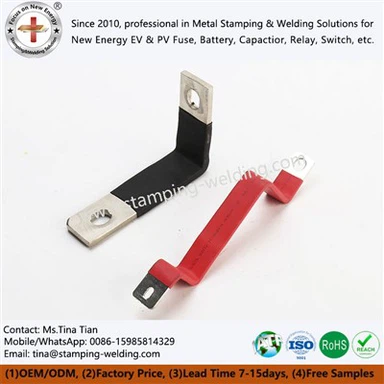
Heat Shrink Tubing BusBar is made of radiation cross-linked polyolefin material, combined with a double-layer composite structure design (high adhesion of the inner layer, tear resistance of the outer layer), with a voltage resistance rating of over AC 3000V/mm, and has passed 100% partial discharge testing to eliminate the risk of breakdown.
Wide temperature range stability, adaptable to extreme environments
The working temperature range of Busbar Sleeves Insulation has been extended to -55℃~175℃, and it can withstand the peak temperature of 260℃ in a short time. It will not shrink, deform or crack under the impact of alternating high and low temperatures, ensuring the safe operation of outdoor equipment all day long.
Chemical and UV resistant
Passing ASTM G154 ultraviolet aging test and acid-base salt spray corrosion test, the protection life has been extended to more than 15 years, making it suitable for high-corrosion scenarios such as coastal areas and industrial areas.
Lightweight and integrated design
The wall thickness is 30% less than that of traditional PVC casing, and supports ultra-thin Heat Shrink Tube Polyolefin Busbar to be tightly wrapped; identification codes and color partitions (red/yellow/green, etc.) can be preset to facilitate system maintenance and troubleshooting.
Quick installation and customized services
The heat shrink ratio reaches 3:1, which is suitable for special-shaped busbars and complex structures; it provides special functional options such as arc resistance, flame retardant, and mildew resistance to meet the differentiated needs of customers.

Application scenario: Empowering full-link security of new energy power systems
Electric vehicles: The internal busbar insulation protection of the battery pack blocks moisture and condensation erosion and reduces the risk of high-voltage leakage.
Energy storage system: The container-type energy storage cabinet busbar is insulated to inhibit electrochemical corrosion and improve the fire safety of the system.
Renewable energy: DC side connection of photovoltaic inverter and busbar packaging of wind power converter to withstand the impact of wind, sand, rain, snow and temperature difference between day and night.
Charging infrastructure: DC fast charging piles are protected by internal copper bar insulation to ensure stability under high power transmission.

contact us