Industry Knowledge Analysis of Laminated Inverter Busbars
May 06, 2026
In the field of power electronics, as the core equipment for power conversion, the operating stability of the inverter is closely related to the control of core parameters. The DC bus voltage is one of the key indicators that determine the performance of the inverter. As the core conductive component inside the inverter, the performance of Laminated BusBars is closely related to the stable transmission of the DC bus voltage. The DC bus voltage range of the inverter varies depending on the working principle of the inverter. It is usually between 100V and 1000V. Reasonable control of this range is the basis for ensuring the efficient and safe operation of the inverter.
function
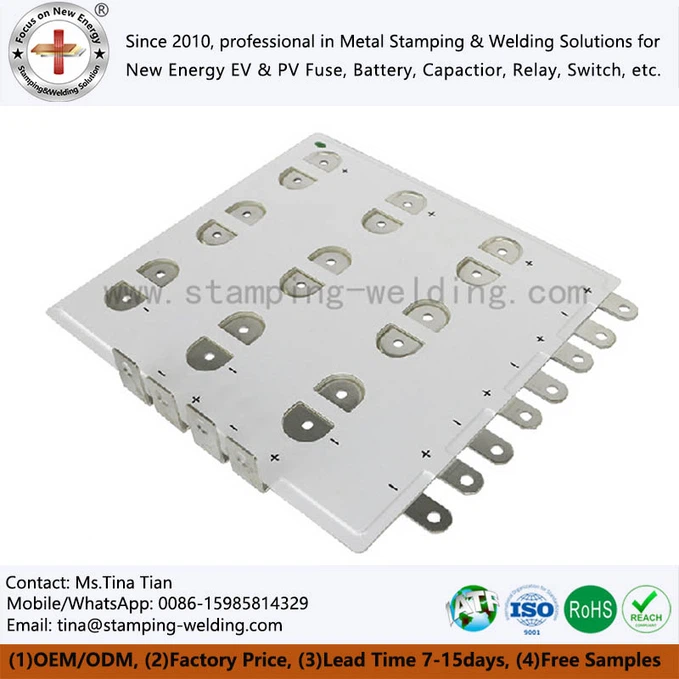
In the main circuit of the inverter, the DC bus voltage is used as the core driving parameter to directly support the switching action of the power MOS tube to generate high-frequency AC output. At the same time, this voltage level has a significant impact on the output capability and operating efficiency of the inverter, so precise regulation and steady-state maintenance need to be achieved under actual working conditions. Laminated BusBars are used in this voltage transmission path to reduce loop stray inductance and ensure voltage stability.
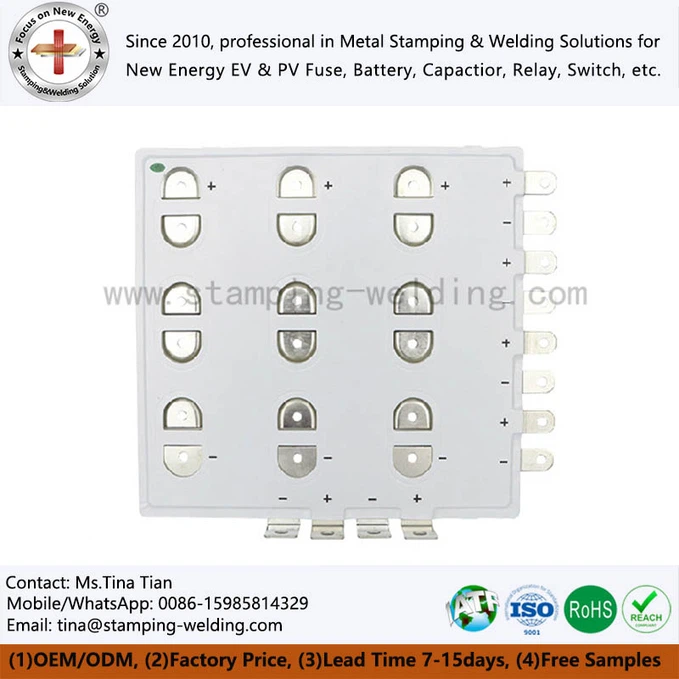
voltage range structure
The specific range of the inverter DC bus voltage varies depending on the application scenario. For example, in photovoltaic inverters, the typical DC bus voltage range is 200V to 800V; in industrial-grade inverters, in order to adapt to higher power and wider input fluctuations, this range is usually extended to a larger amplitude range. If the DC bus voltage is too high, it may cause instability or damage to the power device; if the voltage is too low, the output power will be reduced or even cause an interruption in power transmission. To this end, the design of Laminated Copper BusBar has significant advantages in carrying high voltage and high current, which helps to improve system reliability.
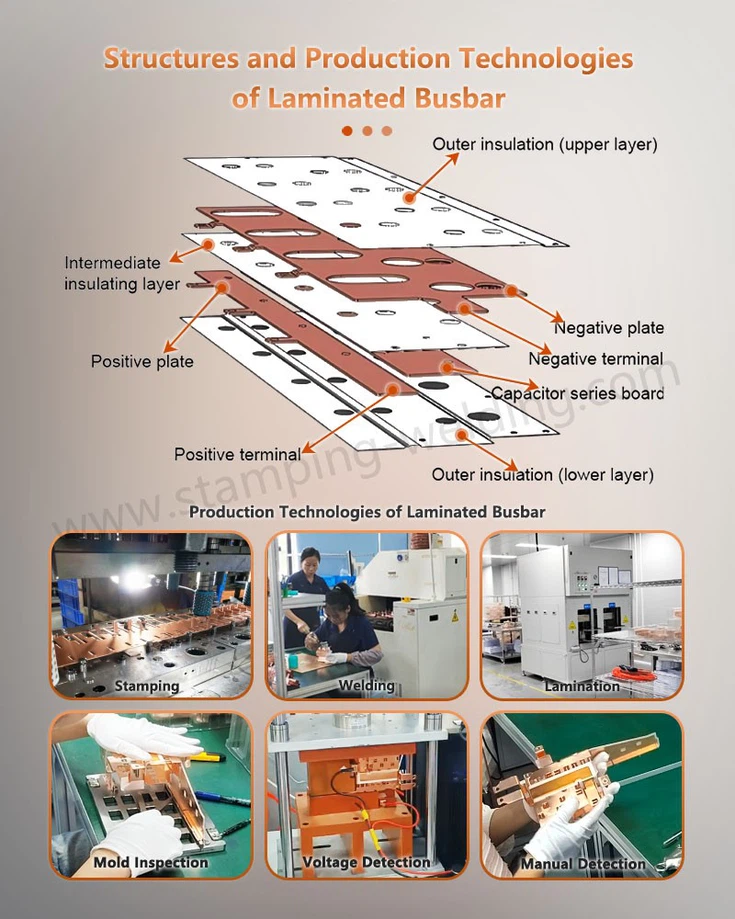
range adjustment
In order to ensure that the inverter always operates within a safe voltage range under dynamic operating conditions, it is usually necessary to introduce a voltage regulation mechanism, such as regulating the DC bus voltage through a boost or buck converter. At the same time, the inverter DC bus voltage is also affected by the source voltage (such as photovoltaic array output voltage) and load-side conditions (such as grid-connected voltage fluctuations), and needs to be continuously optimized during operation. The laminated busbar structure using Laminated BusBar for Mersen specifications can further reduce the risk of electromagnetic interference caused by voltage jumps and enhance system adaptability.
contact us
Our Laminated Inverter Busbars have low inductance, high current carrying capacity and excellent thermal management performance. They are widely used in fields such as photovoltaics, industrial drives, rail transit and aerospace power supplies. We welcome technical exchanges and customized cooperation.