Industry knowledge analysis of lithium battery charging cabinets
May 26, 2026
Lithium battery charging cabinet is a cabinet-type electrical equipment specially used for centralized charging, status monitoring and safe storage of lithium-ion batteries. It is widely used in centralized parking spots for electric bicycles, battery swapping stations for takeaway riders, tool rooms in industrial parks, schools and logistics outlets, etc. With the popularity of lithium-ion batteries in power tools, light electric vehicles and energy storage equipment, the safety of lithium-ion battery charging, charging consistency and battery life cycle management have increasingly become core issues of concern to users. The lithium battery charging cabinet is not a simple multi-channel charger combination, but a comprehensive piece of equipment that integrates power conversion, charging strategy control, thermal management, safety protection and information management. In the deployment of Battery charging stations or charging docks, lithium battery charging cabinets can serve as the key DC energy replenishment unit, providing standardized charging interfaces for lithium battery packs of different specifications. At the same time, its cabinet structure is usually similar to a power supply cabinet, with independent power distribution protection and grounding systems to ensure long-term electrical safety.
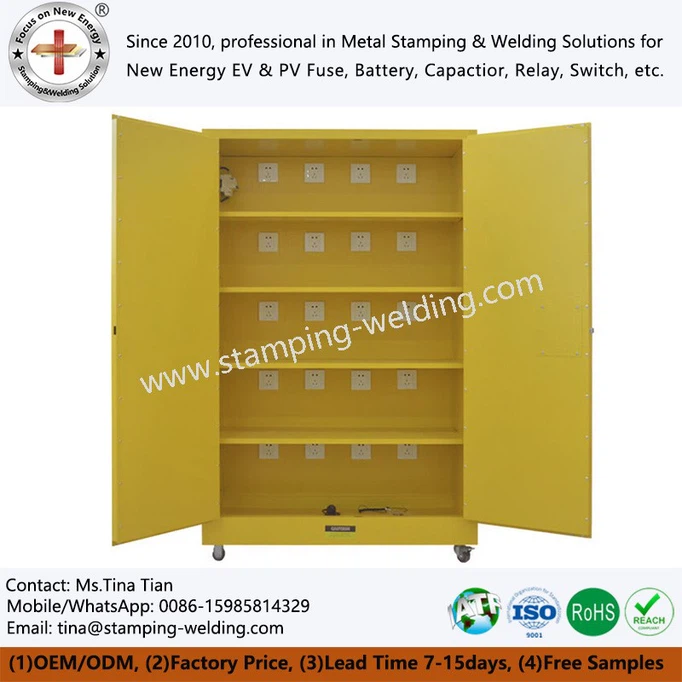
system architecture
Analyzing from the system architecture level, a complete charging cabinet consists of four functional levels: power input unit, power conversion unit, control logic unit and human-computer interaction interface. As the energy inlet of the cabinet, the power input unit is responsible for converting the mains AC voltage into the DC bus voltage required by the charging system. It is equipped with an EMI filter, surge protector and main circuit breaker to ensure that grid-side disturbances are not transmitted to sensitive charging power modules. The power conversion unit implements different power injection strategies such as constant current, constant voltage or pulse charging based on the battery chemical system and capacity specifications. The control logic unit is the decision-making center of the entire cabinet.
It analyzes multi-dimensional data from voltage sampling, current sampling and temperature sensors in real time through the embedded processor, and dynamically adjusts the switching timing of the power device according to the preset charging curve. In high-end models, this control logic is deeply coupled with the battery management system, which can not only perform charging tasks, but also perform long-term tracking and prediction of battery health status, cycle life and internal resistance changes, providing operation and maintenance parties with a quantitative basis for asset management. When the charging cabinet is deployed in an outdoor or semi-outdoor scene, the power supply cabinet incoming end also needs to consider engineering details such as waterproofing, condensation prevention, rodent prevention, and illegal access prevention to ensure the continued availability of the power supply link under complex climate conditions.
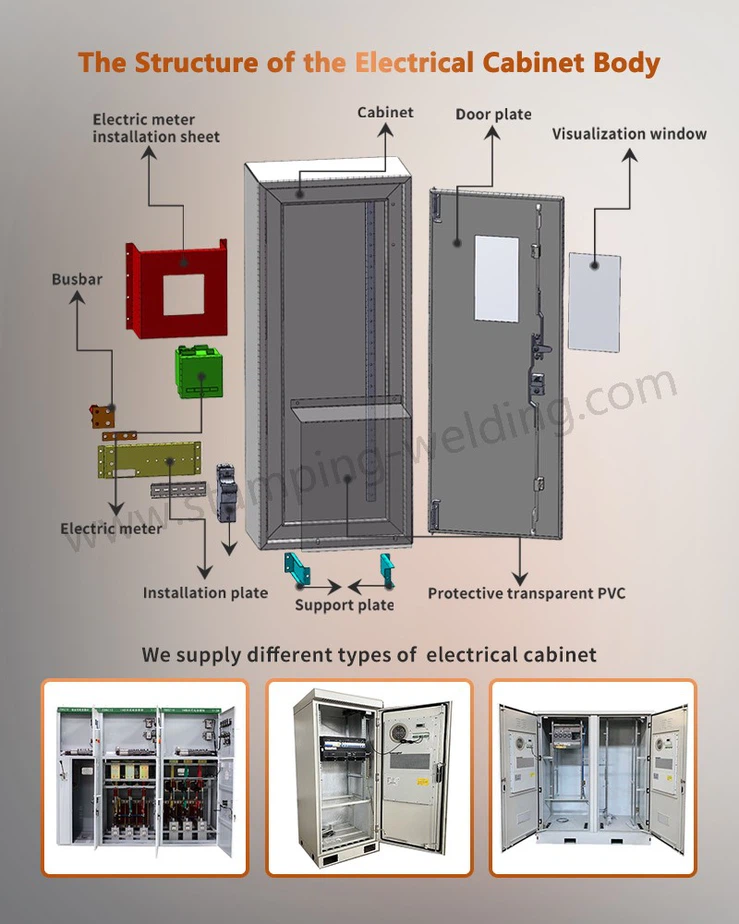
application scenarios
In actual operations and application scenarios, the intelligent interactive experience greatly improves the ease of use of the device. Users usually only need to scan a code, swipe a card or face recognition to activate the Electric vehicle charging cabinet, and the system will automatically identify the empty compartment and unlock it. When inserting the battery, the standardized plug-in and pull-out sequence (insert the cabinet end first and then connect the battery) can effectively prevent sparks from the interface. For different battery attributes, the device supports multiple strategies such as normal mode, fast charging mode and scheduled charging. For example, for lead-acid batteries, the automatic charging and stopping mode can be used, while for lithium batteries, the charging time needs to be strictly controlled to prevent overcharging. This flexible configuration makes the device an ideal Battery charging station in residential communities, logistics parks and factories.
With the deep integration of Internet of Things technology, modern charging cabinets have evolved into smart terminals with remote monitoring and data analysis capabilities. Through the supporting APP or background management system, operation and maintenance personnel can check the charging progress, remaining time and health status of each battery in real time. This transparent management method not only solves the queuing and supervision problems of traditional charging docks, but also predicts battery life through big data analysis and provides users with scientific maintenance suggestions. Whether it is used for battery turnover for delivery riders or centralized management of power tools, its efficient scheduling capabilities have significantly improved operational efficiency.
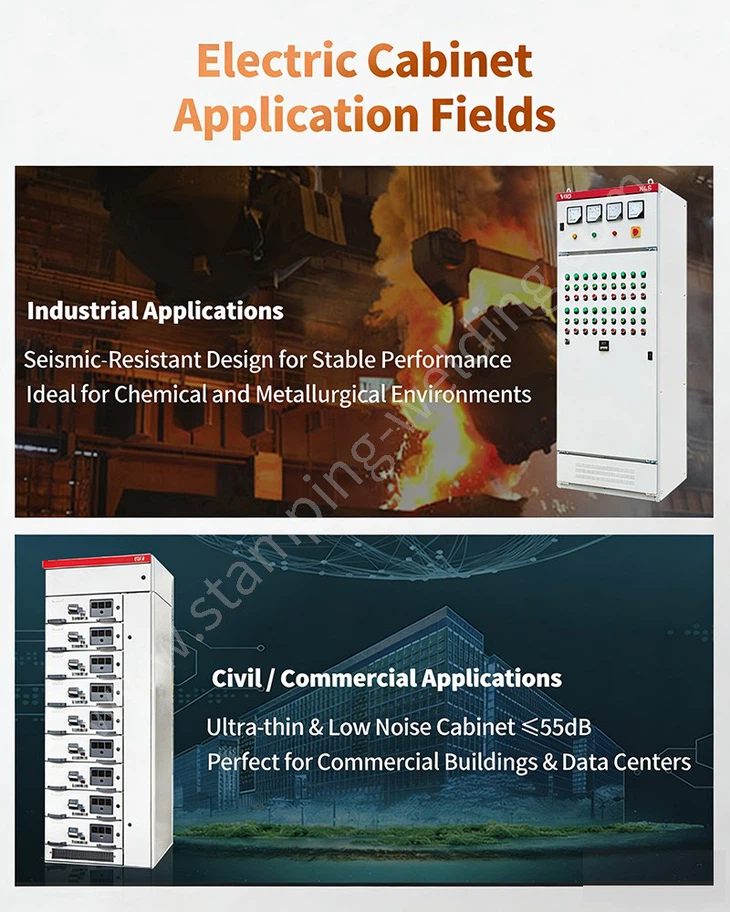
Operating instructions
Professional users should follow standardized operating procedures when using smart lithium battery charging cabinets to reduce safety risks caused by misoperation. Starting the charging cabinet is usually done by scanning the QR code, swiping the card or remote control via the app. Users use WeChat, Alipay or other dedicated applications to scan the QR code on the cabinet, and the system unlocks the free compartment after verifying the identity; or uses an integrated circuit card or near field communication card to swipe the card in the card reader area of the cabinet to activate. Charging cabinets that support application control also allow users to reserve designated storage spaces online in advance to avoid waiting in line without free spaces after arriving at the site.
When placing the battery and connecting the charging interface, the user should open the compartment door that displays the "idle" status, put the battery into the compartment in the correct direction, and then insert the male end of the charging interface into the female charging socket of the battery. The correct connection sequence is to first plug in the connector at the charging cabinet end, and then connect the connector to the battery end. This order can reduce the probability of sparks caused by the instantaneous potential difference in contact. When connected in place, you should hear a clear "click" of the lock or observe the locking indicator light changing. Operators should pay attention to check whether the electrodes of the charging interface and battery socket are rusted, deformed or have foreign matter to avoid heating or sparking due to poor contact.
The selection of charging mode should be based on battery chemistry type and usage scenario. For power tools or electric vehicles using lithium-ion batteries, the normal mode or standard charging rate should be used for daily charging, and the fast charging mode should only be used for a short time when the vehicle or tool is urgently needed. The scheduled charging function allows users to set the maximum charging time (for example, within 28 hours). When the charging time reaches the set value, the system forcibly stops charging. This function is especially useful for users who often forget to take away fully charged batteries. For lead-acid batteries in the lead-acid battery charger scenario, since their tolerance to overcharging is slightly higher than that of lithium batteries, it is still recommended to use the automatic full power-off mode to extend battery life.

contact us
We support selecting modules based on users'existing battery types and can connect to achieve battery-level and device-level data interoperability. If you want to obtain liebert exm battery cabinet configuration solutions and engineering suggestions for your application scenario, please contact our technical engineering team for further communication.