Inner end cap: Material characteristics, process advantages, and selection design guidelines
Apr 08, 2026
Material foundation and form definition
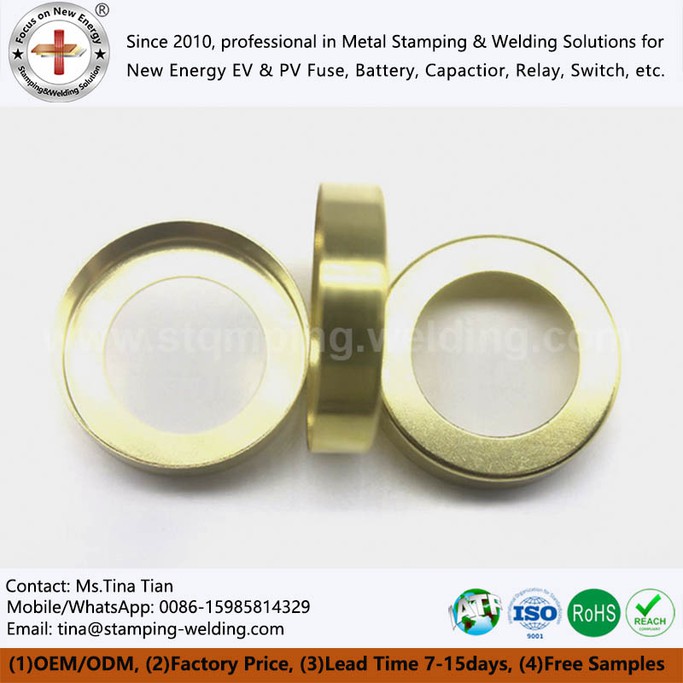
Inner end cap is a cap shaped structural component made of brass alloy as the substrate, and its core material is a mixed metal composed of copper and zinc. By adjusting the copper zinc ratio, customized designs with different strengths, colors, and processing properties can be achieved. The cap is usually formed by stamping, casting, or machining, and the surface can retain the natural metallic luster of brass, or be coated (such as nickel plating, chrome plating) to enhance corrosion resistance.
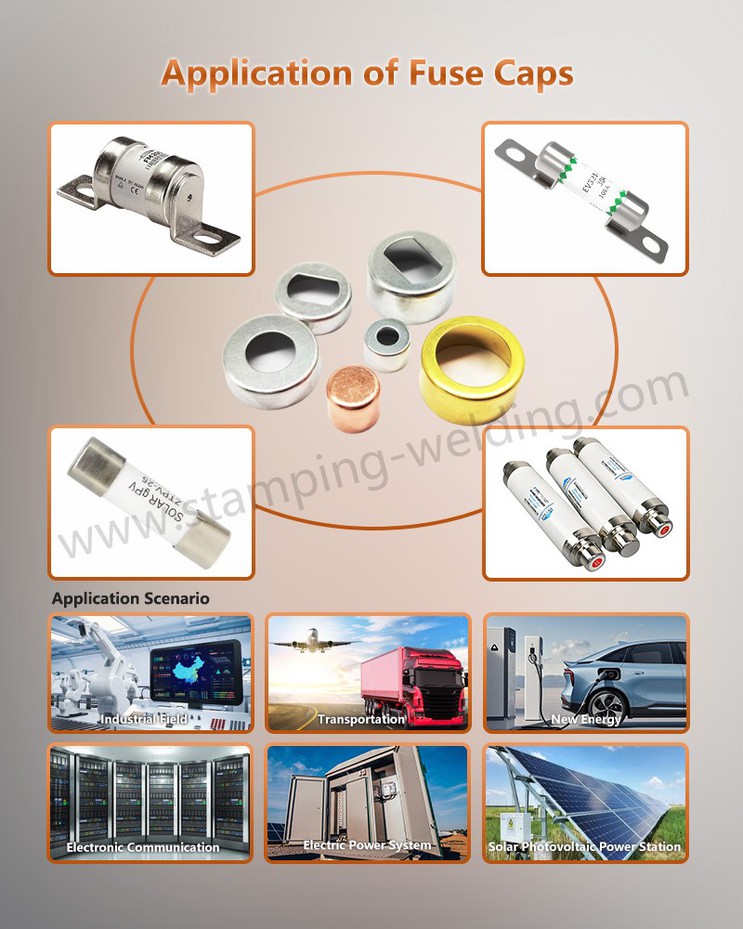
From a functional perspective, 'Fuse end caps brass' describes its application method of covering the end of an object - achieving sealing, protection, or decorative effects through threads, buckles, or welding.
Core physical performance and process advantages
Brass has high ductility, allowing Inner end cap to adapt to the forming requirements of complex surfaces. Its impact resistance is superior to pure copper, and its hardness can be further optimized through heat treatment. In precision instrument and other application scenarios, brass caps need to balance lightweight and structural strength, and improve machinability through microalloying (such as adding a small amount of lead and tin) while maintaining good wear resistance characteristics.
In addition, brass has good bonding properties with various materials such as plastic and rubber, and can achieve composite structure design through insert injection molding technology. For example, the Brass inner cap of valves often adopts an integrated structure of brass core and rubber sealing ring, which balances mechanical strength and sealing performance.
Corrosion resistance treatment and environmental adaptability
Brass end caps can undergo corrosion resistant treatments such as passivation, oxidation, or electroplating for different usage environments. In high humidity corrosive environments such as the ocean, the cap needs to be insulated from salt spray erosion by galvanizing or chromate layers; In food grade applications, lead-free brass is used and covered with an organic coating. In the selection process, environmental factors need to be comprehensively considered: under high humidity conditions, the coating thickness should be increased, and in high temperature scenarios, heat-resistant special alloys containing aluminum, silicon, and other elements should be selected.
Assembly process and design points
The assembly method of the Brass fuse cap directly affects its structural design. Threaded caps need to be matched with corresponding tolerance standards (such as UNFPA/UNC standards), while snap-on caps require a reasonable design of the yield strength of the elastic arm to ensure assembly reliability and service life. In cases of high structural complexity, metal powder injection molding (MIM) technology can be used to reduce mass production costs while meeting the requirements of precision dimensions and complex geometric shapes.
contact us
If you need further information on Inner end cap selection options or customized design support, please feel free to contact us at any time. We will provide professional technical advice and reliable product matching services based on your application scenario.