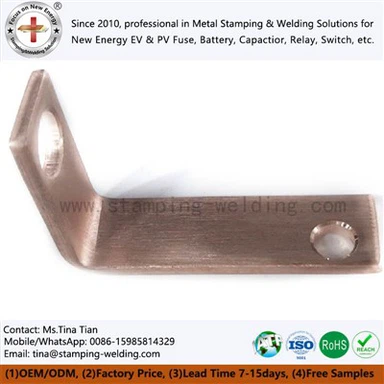
Insulation Coating Busbar technology: the safe and efficient choice for modern power systems
May 08, 2026
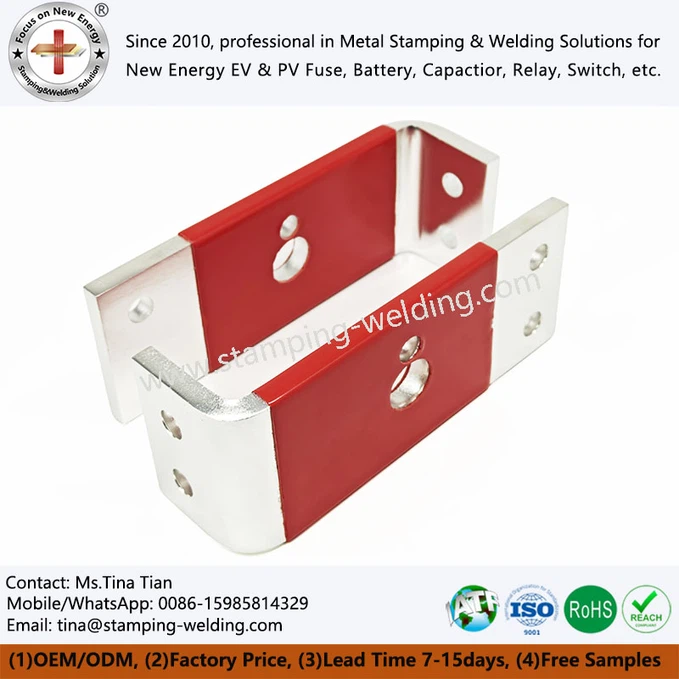
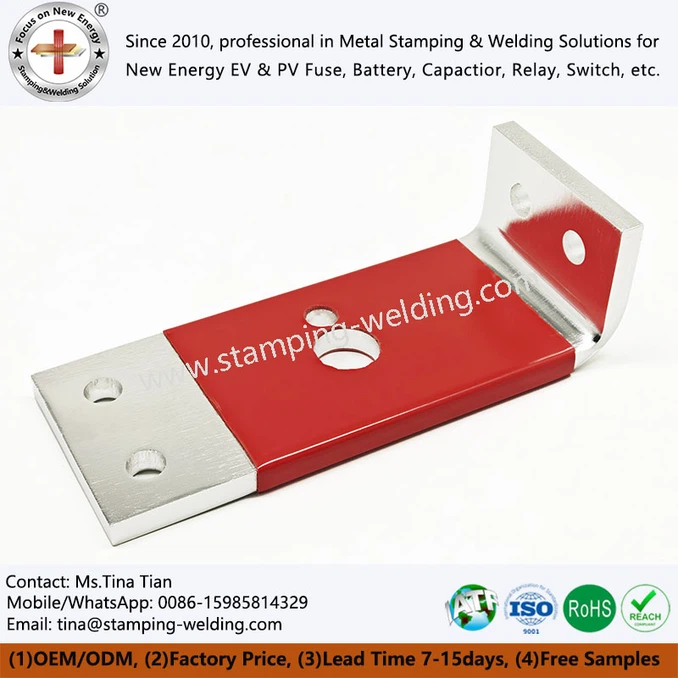
An insulated busbar is a rigid conductive device used for centralized distribution and transmission of electricity. Its core structure is to wrap one or more layers of high-performance insulation materials outside a copper or aluminum conductor through a specific process, thus replacing traditional exposed busbars or cables. This design not only greatly improves the safety of the power system and effectively prevents electric shock and short circuit accidents caused by foreign objects, but also significantly saves installation space compared with traditional wiring solutions due to its compact structure design.
Key categories and technical parameters
According to different voltage levels, insulation materials and structural forms, insulated busbars are mainly divided into the following categories, and their technical parameters also have different focuses: Low voltage insulated busbar (0.4kV~1kV): Conductor material: mostly copper or aluminum rows. Insulation material: Commonly used is polyvinyl chloride (PVC) or cross-linked polyethylene (XLPE), which is insulated through heat shrink tubing or winding. Typical applications: Internal connections in low-voltage distribution cabinets, switch cabinet branch lines, the maximum current carrying capacity is usually below 5000A.
Medium and high voltage fully insulated busbar (6kV~35kV and above): Conductor material: High-purity copper tubes or aluminum alloy tubes are commonly used, and their hollow structures are used to improve heat dissipation and reduce the skin effect. Insulation material: Use materials with superior performance, such as ethylene propylene diene monomer (EPDM), silicone rubber or epoxy resin, to form a dense and air-gap-free insulation layer through processes such as extrusion, wrapping or vacuum casting. Typical applications: Main transformer connections in power plants and substations, connections between switchgear, and trunk power distribution in large industrial projects, with a current carrying capacity of up to 6300A or higher.
Core advantages and application scenarios
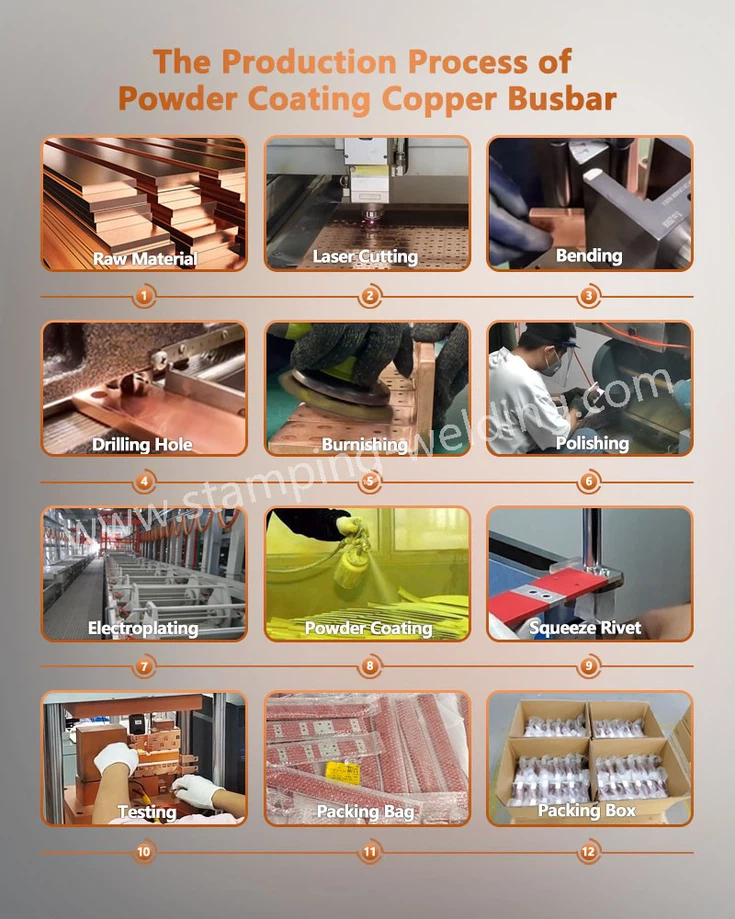
Insulated busbars play an indispensable role in modern power systems due to their excellent performance. High safety: The fully enclosed insulation structure fundamentally eliminates the risk of phase short circuit and ground fault, especially suitable for places with dense personnel or complex environments. Space saving: Its compact design can replace multiple parallel cables, which is particularly advantageous in environments with limited space, such as cable mezzanines and shafts. Large current carrying capacity and low loss: The tubular conductor structure has uniform current distribution, small AC resistance, and excellent heat dissipation performance, which can achieve large current and low loss transmission. Convenient installation and simple maintenance: modular design and flexible laying method (can be overhead or can be entered into the trench) greatly shorten the construction period. The fully Busbar Insulating Coating Powder construction also eliminates the need for regular cleaning and maintenance.
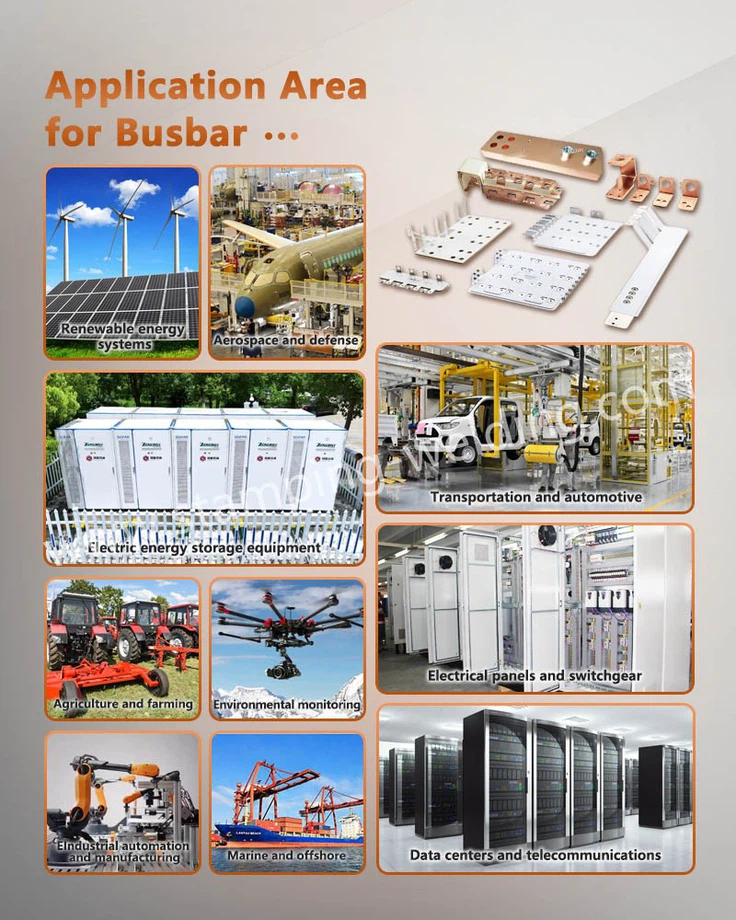
Its main application scenarios cover: Power plants and substations: As the main circuit connection between the generator outlet, main transformer and switch cabinet. Large industrial power distribution: used for internal power distribution in large factories with extremely high requirements on power supply reliability, such as metallurgy, chemical industry, and data centers. Building power supply: Solve the problem of power transmission in the vertical direction of high-rise buildings, with clear wiring, safety and reliability.
Correct selection
Choosing a suitable Electroplating and Powder Coating Busbar requires considering a number of factors: Voltage level matching: It must be ensured that the rated voltage of the busbar is not lower than the maximum operating voltage of the system. For systems of 35kV and above, a double-layer insulation structure with a voltage-equalizing shielding layer is usually required to ensure uniform electric field distribution. Calculation of current carrying capacity and temperature rise: It is necessary to select the conductor cross-section according to the maximum continuous operating current of the system, and check whether the temperature rise meets the standards (such as ΔT ≤ 70K) under specific laying methods (such as poor heat dissipation conditions in shafts). Environmental adaptability: In corrosive environments such as coastal and chemical industries, products with corrosion-resistant outer sheaths should be selected; for outdoor installations, the ultraviolet (UV) resistance of the insulation material must be considered.
contact us
Our company focuses on the development and production of high-performance coating solutions suitable for various types of Insulation Coating Busbar to help improve the insulation performance, service life and operational reliability of busbar products. Welcome industry customers to communicate and cooperate.