Panoramic analysis of conductive aluminum busbar
May 26, 2026
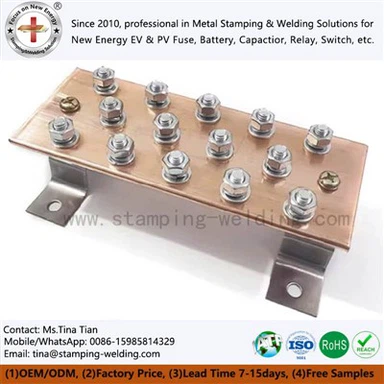
Conductive aluminum busbar, referred to as aluminum busbar, is a metal conductor made of high-purity aluminum alloy or specific grades of aluminum. It usually appears in the form of rectangular, flat bars or customized special-shaped cross-sections. It is widely used in power distribution systems, transformers, switchgear and various electrical control cabinets as the main transmission channel for current. The core function of the aluminum busbar is to efficiently and safely conduct electrical energy from the power supply end (such as the low-voltage side of the transformer or the generator outlet) to all levels of power distribution equipment and terminal loads. In engineering practice, the selection and application of aluminum busbars are not only related to the current carrying capacity and temperature rise control of the power system, but also directly affect the reliability and economy of the entire electrical device. For applications where high electrical conductivity and good mechanical coordination are required, 6101 aluminum bus bar has become one of the standard materials due to its optimized balance between electrical conductivity and tensile strength. At the same time, in view of the easy oxidation characteristics of the aluminum surface, tin plated aluminum bus bar can effectively reduce the contact resistance and delay interface corrosion by forming a tin coating on the surface of the busbar. It is especially suitable for installation environments with humidity or large temperature changes.
Material advantages
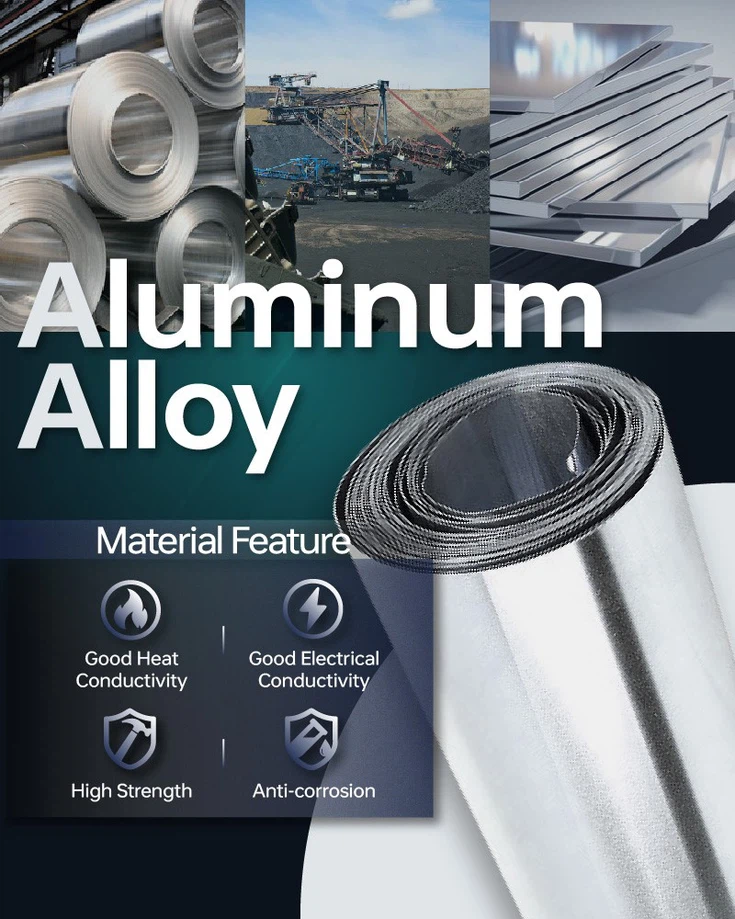
Conductive aluminum busbars are widely used in electrical engineering mainly due to several significant engineering properties. In terms of electrical conductivity, aluminum busbars have low resistivity. The electrical conductivity of pure aluminum is about 61% to 63% of the international annealed copper standard value. It can effectively conduct current and reduce Joule heat loss, ensuring the overall efficiency of power transmission. In terms of thermal conductivity, aluminum has a high thermal conductivity. Aluminum busbars can quickly dissipate the heat generated when current passes through to the surrounding environment or through the heat dissipation structure, which helps maintain the operating temperature of the equipment within the allowable range of the insulating material and connecting devices, thus improving the thermal stability and safety margin of the system. In terms of corrosion resistance and oxidation resistance, aluminum busbars that have been passivated or plated can work stably for a long time in industrial atmospheres, humid and even slightly corrosive environments, significantly extending the service life of equipment.
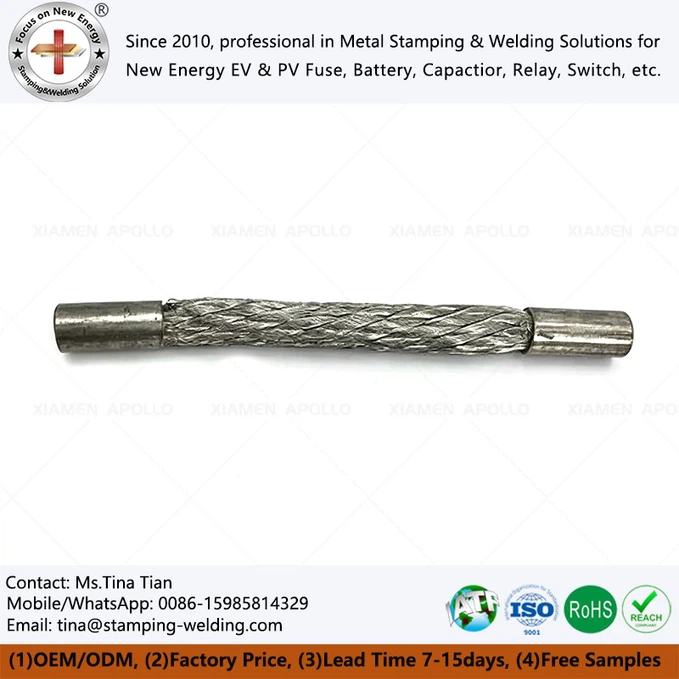
In terms of mechanical properties, through alloying treatment (such as 6101 or 6061 alloy), the aluminum busbar can obtain higher tensile strength and yield strength, and can withstand the tightening torque in electrical connections and the electric stress generated during short-circuit faults. In addition, aluminum busbars have good processing performance and can be easily processed into various shapes and sizes through processes such as punching, bending, drilling and milling to meet the layout needs of different electrical panel cabinets and connection schemes. 6061 aluminum bus bar excels in applications where higher mechanical strength is required while electrical conductivity requirements are relatively relaxed, such as a structural conductor for large bus ducts or connections that need to withstand vibration loads. The Electrical Aluminum Busbar Flexible Joint is made of multiple layers of thin aluminum sheets laminated to absorb thermal expansion displacement or mechanical vibration during equipment operation and reduce stress concentration caused by rigid connections.
Processing process
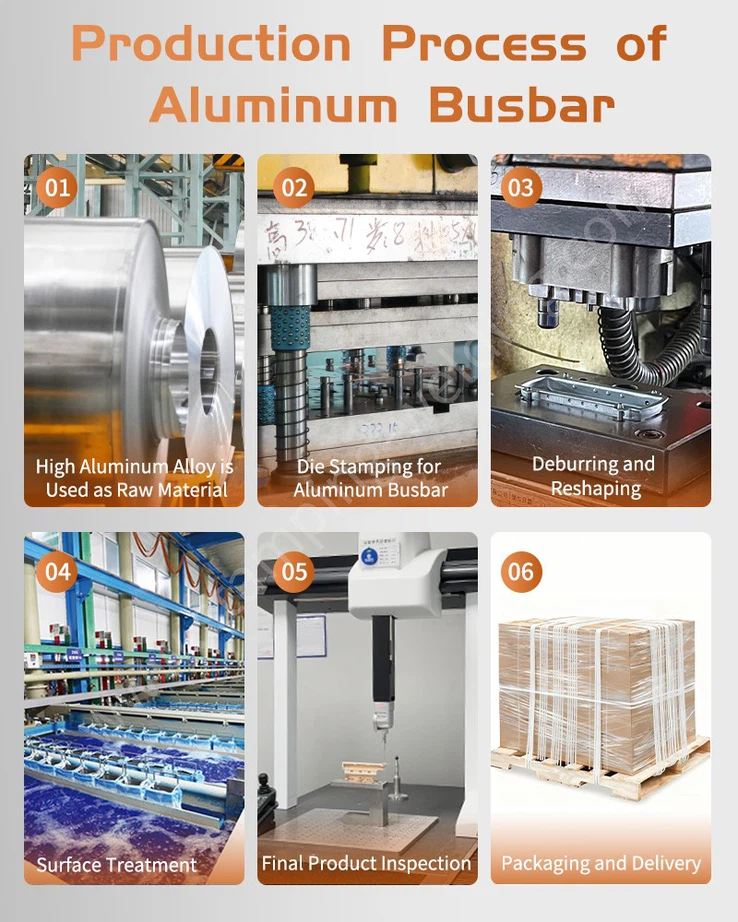
The processing flow of conductive aluminum busbars mainly includes core process links such as smelting and casting, extrusion or rolling, cutting and punching, and surface treatment. Smelting and casting are the first steps in determining the internal quality of the busbar material. Aluminum ingots or recycled aluminum materials are heated to a molten state in a smelting furnace, and intermediate alloy elements such as magnesium and silicon are added according to the target alloy grade. After refining, degassing and slag removal, the clean aluminum liquid is poured into ingots or continuous casting and rolling billets. The process control at this stage focuses on composition uniformity, gas content and removal of non-metallic inclusions, because these defects will cause microcracks or reduce electrical conductivity in subsequent processing.
Extrusion and rolling are the main means of processing the cast slab into the required cross-sectional shape and size. For rectangular busbars, an extrusion process is usually used to pass the aluminum billet through a mold of a specific shape under high pressure to form a dense fiber structure, thereby improving the mechanical properties and conductive stability of the material. Extruded busbars may also be cold drawn or precision rolled to achieve tighter thickness tolerances and surface finish. For special occasions that require flexible connections, the manufacturing of Aluminum Bus Bars for Cell Connection involves special processes such as thin aluminum sheet lamination, diffusion welding or ultrasonic welding to ensure that low resistance and mechanical integrity can be maintained under repeated bending.
Cutting and punching are the final machining steps for aluminum busbars from long stock to finished parts. According to the dimensions and hole positions marked on the electrical drawings, sawing, punching or CNC machining center is used to cut materials and make holes. The punching position, hole diameter and hole spacing are directly related to the matching quality of the busbar and terminals such as circuit breakers and contactors. Excessive hole position deviation will lead to uneven contact pressure or installation difficulties. After processing is completed, the cut surface and hole wall of the aluminum busbar need to be deburred to prevent tip discharge or scratching the operator during assembly. Surface treatment is an important process to improve the corrosion resistance and contact reliability of aluminum busbars. The tin plating process of tin plated aluminum bus bar usually uses chemical plating or electroplating. An intermediate layer (such as zinc dip layer or nickel layer) is first deposited on the surface of the clean aluminum bus bar to ensure the adhesion of the plating layer, and then the tin layer is covered. The thickness, density and uniformity of tin plating determine its corrosion resistance and contact performance. In addition, for non-tin plating applications, anodization, chemical passivation or conductive protective paint can also be used to select the appropriate protection level based on the severity of the use environment.
Application areas
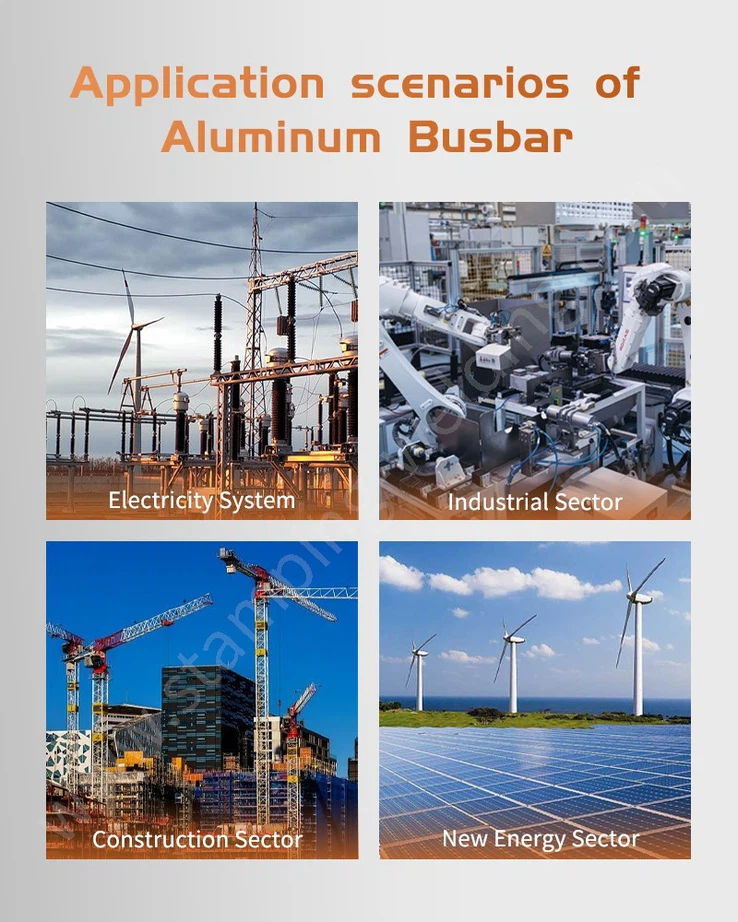
Conductive aluminum busbars have been widely used in many fields such as electric power, industry, transportation and new energy due to their excellent comprehensive properties. In power transmission and distribution systems, aluminum busbars are the core conductive component for internal connections in switchgear cabinets, switchboards, bus ducts and transformers. It distributes electrical energy from the incoming line to multiple outgoing circuits in a low-resistance path and serves as an electrical connection between the main busbar and branch busbars. Compared with copper busbars, aluminum busbars can significantly reduce weight while meeting current-carrying capacity requirements, thereby reducing the requirements for cabinet structural support and facilitating on-site installation operations. In the field of electronic equipment and industrial control, aluminum busbars are used for power module connections within high-power frequency converters, rectifier power supplies, inverters and uninterruptible power supplies. The power semiconductor devices in these devices usually require low inductance and uniform shunt paths. Aluminum busbars can achieve compact layout and parasitic parameter control through composite laminate structures or customized special-shaped designs. For smart electrical systems that need to monitor temperature or vibration, the Electrical Aluminum Busbar Flexible Joint is used to connect heating elements and heat dissipation structures or isolate vibration sources to improve the long-term reliability of electronic equipment.
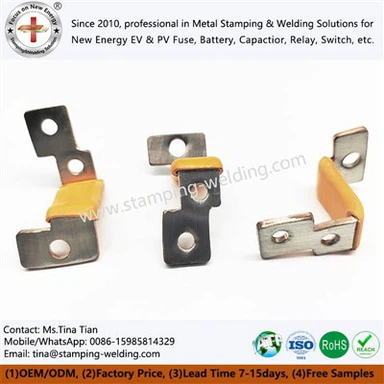
In the field of new energy, aluminum busbars are widely used in battery modules of electric vehicles and energy storage systems as series or parallel connections between cells. Aluminum Bus Bars for Cell Connection require the bus bar to have low resistance to reduce charge and discharge losses, and must be able to withstand the vibration and certain thermal expansion generated during vehicle driving. For this reason, such busbars often adopt multi-layer flexible structures or surface nickel plating to improve contact stability. Inside the battery pack, the aluminum busbars need to accurately match the spacing and height tolerances of the cell poles and are usually manufactured using laser cutting and precision bending processes. In the fields of transportation and aerospace, aluminum busbars are used in subway vehicle auxiliary power supply systems, locomotive electrical cabinets, and aviation ground power supply equipment due to their lightweight advantages. These occasions have strict regulations on the flame retardancy, vibration resistance and long-term operation reliability of materials. Aluminum busbars need to pass additional type tests such as salt spray, vibration and temperature rise during design and manufacturing.
contact us
If you need to choose Aluminum Busbar Electrical Power Connector solutions for your power distribution cabinets, battery packs or high-power power equipment, please contact our engineering and technical team for selection manuals and sample support.