Photovoltaic bracket aluminum guide rail: the cornerstone of system stability and the application of material science
May 20, 2026
Material advantages
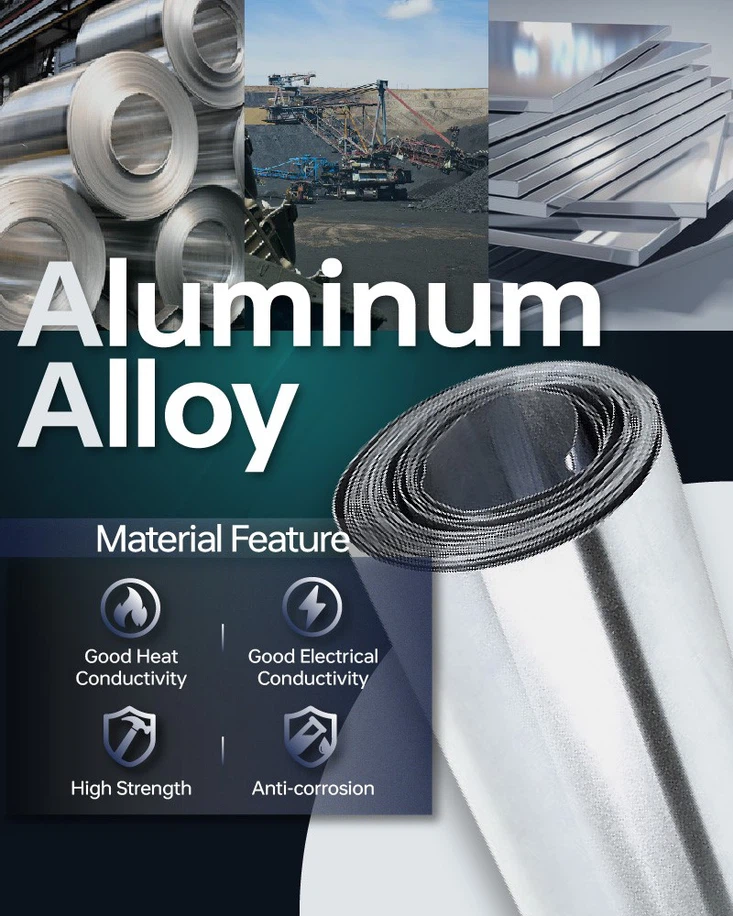
The choice of aluminum alloy as the main material of the photovoltaic guide rail is based on in-depth consideration of its comprehensive performance in many aspects. Aluminum alloy has good corrosion resistance. Photovoltaic power plants are usually installed in outdoor environments and are exposed to complex media conditions such as sunlight, rain, humid air and even coastal salt spray for a long time. A dense oxide film will naturally form on the surface of the aluminum alloy. This film can effectively prevent further oxidation reactions of the internal metal, thus giving the material excellent corrosion resistance and ensuring the long service life of the aluminum guide rail in outdoor environments. The low density and light weight of aluminum alloys make aluminum guide rails more convenient during transportation, handling and on-site installation. At the same time, they can reduce the weight of the entire support system, and the load-bearing requirements for the roof or basic support structure are also reduced accordingly.
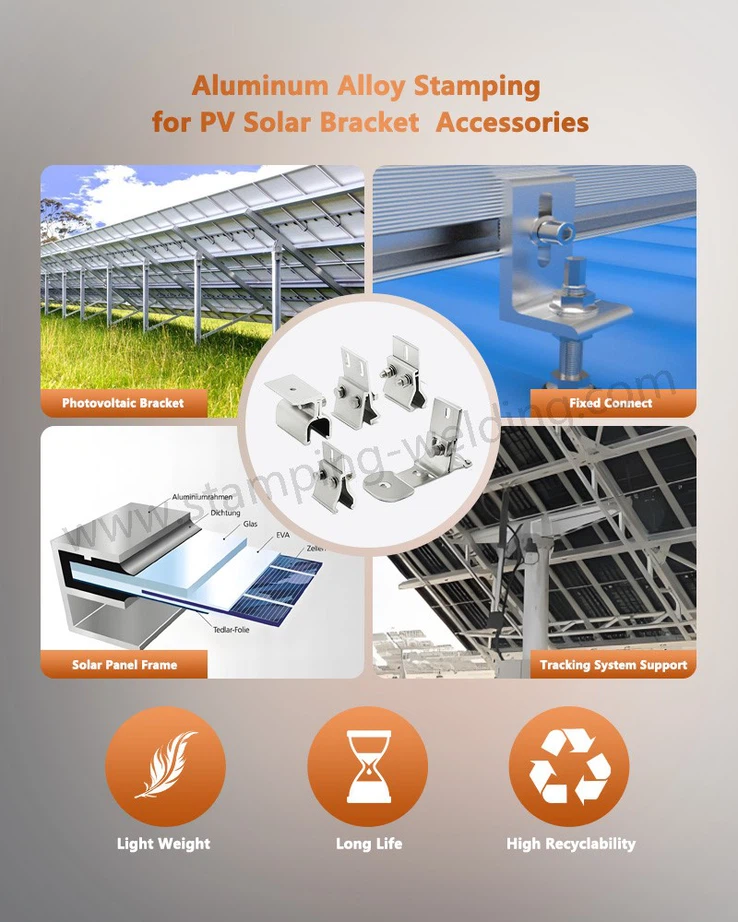
In addition, aluminum alloy has sufficient mechanical strength. Through reasonable alloy ratio and profile section design, aluminum guide rails can fully meet the load-bearing requirements of photovoltaic systems under various load conditions. Aluminum alloy also has good processability and recyclability, is easy to cut, drill and connect, and has high installation flexibility. At the same time, aluminum is a metal material that can be 100% recycled and reused, which is in line with the green energy industry's pursuit of environmental protection and sustainable development. In the fixing and connection process of the above-mentioned aluminum guide rails, the Aluminum Clamp Hook for Roof Photovoltaic Support, as a special hook connector for roof installation, needs to accurately match the slot of the guide rail and adapt to the structural characteristics of different types of roof tiles.
core role
In photovoltaic power generation systems, in addition to the well-known solar panels, the photovoltaic bracket system is also a crucial component. As the key load-bearing and connecting component in this system, the role of aluminum guide rails cannot be underestimated. It is like the skeleton of a building, silently supporting the photovoltaic panels, ensuring that they can receive sunlight stably and efficiently and convert it into electrical energy. The photovoltaic bracket aluminum guide rail is a long strip structure made of aluminum alloy material. Its main function is to fix and install solar panels, provide a reliable support basis for the panels, and arrange them in an orderly manner on the bracket structure. Aluminum guide rails need to withstand the weight of the panel itself, wind pressure, snow load, and other possible external forces to ensure that the entire photovoltaic array can maintain structural integrity and operational safety under various environmental conditions. In the photovoltaic mounting system, Aluminum Accessories for Solar Mounting is a general term for supporting connection and fastening components. Together with the aluminum guide rails, it forms a complete support and fixation system. Its quality and matching directly affect the long-term reliability of the system.
Application scenarios
With the continuous expansion of photovoltaic application scenarios and the continuous evolution of photovoltaic technology, different types of aluminum guide rails have also been developed to adapt to diverse installation needs. Conventional ground support guide rails used in common flat or gently sloped power stations mainly emphasize load-bearing capacity and wind resistance; roof support guide rails used on building roofs may need to pay more attention to lightweight design and wind resistance, and also need to consider the coordinated layout with the roof waterproofing layer; and special guide rails used in distributed photovoltaic and photovoltaic building-integrated applications, whose demand has grown rapidly in recent years, put forward higher requirements for aesthetics, integration and ease of installation.
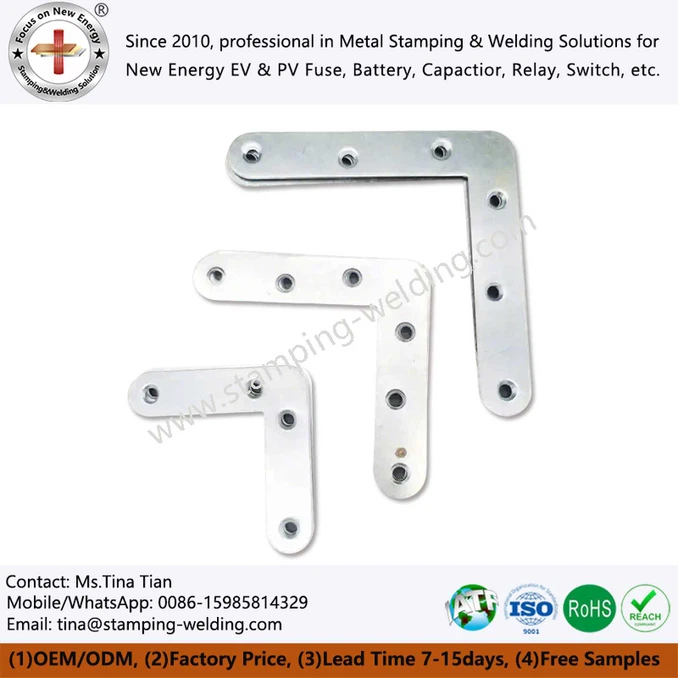
In special scenarios such as industrial and commercial factory roofs, agricultural greenhouses, carport photovoltaics, etc., the design of aluminum guide rails also needs to consider the connection method with the original building structure, the load transfer path, and the convenience of later operation and maintenance. In the various installation environments mentioned above, Aluminum Mounting Brackets serve as transitional components connecting the guide rails to the foundation or roof structure. Their structural form and fixation method need to be selected according to the specific installation surface conditions. Common ones include L-shaped brackets, adjustable angle brackets and special roof hook brackets.
production design
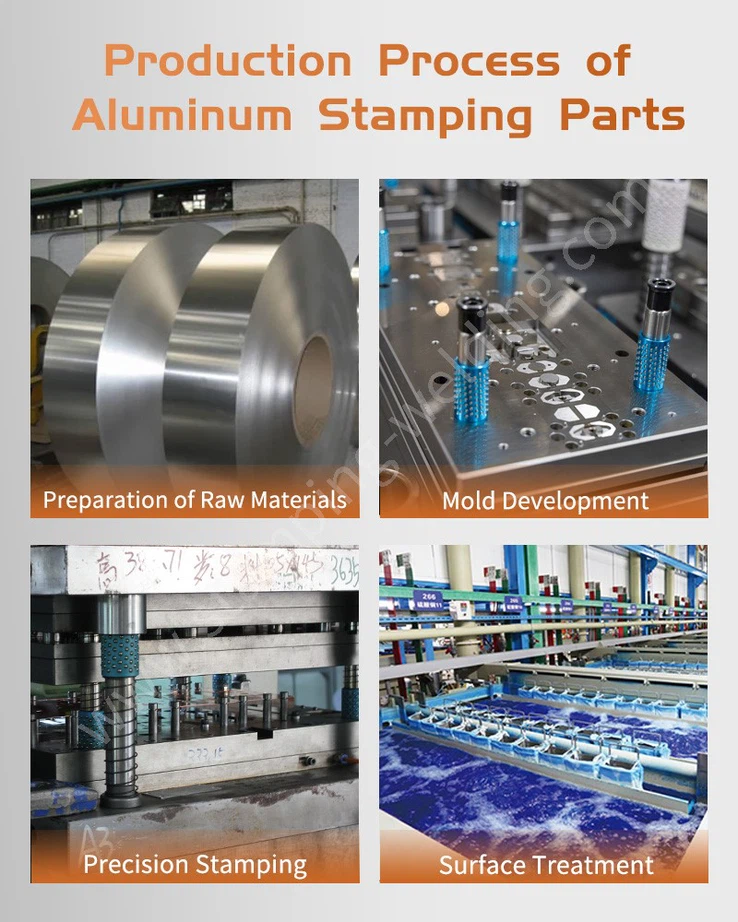
From a structural design perspective, photovoltaic bracket aluminum guide rails are not simple "U" or "C" shaped channels. In order to optimize its mechanical properties and ease of installation, the cross-sectional shape of aluminum guide rails is usually carefully designed and repeatedly verified. Common guide rail sections are designed with multiple slots or groove structures. These designs are mainly used to facilitate the installation of various supporting pressure blocks, bolts and intermediate connectors. A reasonable cross-sectional design can not only significantly improve on-site installation efficiency, but also enhance the guide rail's stress-bearing capacity and resistance to torsional deformation in local load-bearing areas. The surface treatment process of aluminum guide rails is also crucial. Common treatment methods include anodizing, powder coating, etc.
These surface treatments can not only further improve the corrosion resistance and weather resistance of the guide rails, but also increase the surface hardness, effectively resisting friction and scratches that may occur during installation and long-term operation. An aluminum guide rail with high-quality surface treatment has a uniform appearance and dense film layer and can maintain good structural integrity during the design service life of the photovoltaic power station for more than 25 years. At the connection between the aluminum guide rail and the photovoltaic module, Aluminum Solar Panel End Clamps for PV Mounting System is installed at the beginning and end of each row of panels, and is firmly fixed on the guide rail by pressing the panel frame. The design of these end clamps needs to consider the adaptability of frames of different thicknesses and the requirements for uniform force application.
contact us
If you are looking for an Aluminum Photovoltaic Bracket Accessories partner that combines lightweight, high strength and long-term weather resistance, you are welcome to get in touch with our engineering team to discuss the optimal support solution for the next generation of photovoltaic power plants.