Technical analysis of insulation method for Electrical copper bus bar
Apr 01, 2026
Background and necessity of insulation treatment
With the development of compact switchgear, the scarcity of land resources has prompted medium voltage switchgear to continuously shrink in size while ensuring performance. In air insulated switchgear, the Electrical copper bus bar can rely on air insulation when meeting certain spacing requirements. However, in the case of limited electrical clearance, the use of insulation coating becomes a key means to effectively shorten the phase to phase and relative to ground distance, and reduce the size of the cabinet. Through reasonable Electrical bus bar insulation treatment, the overall compactness of the equipment structure can be improved while ensuring safety performance.
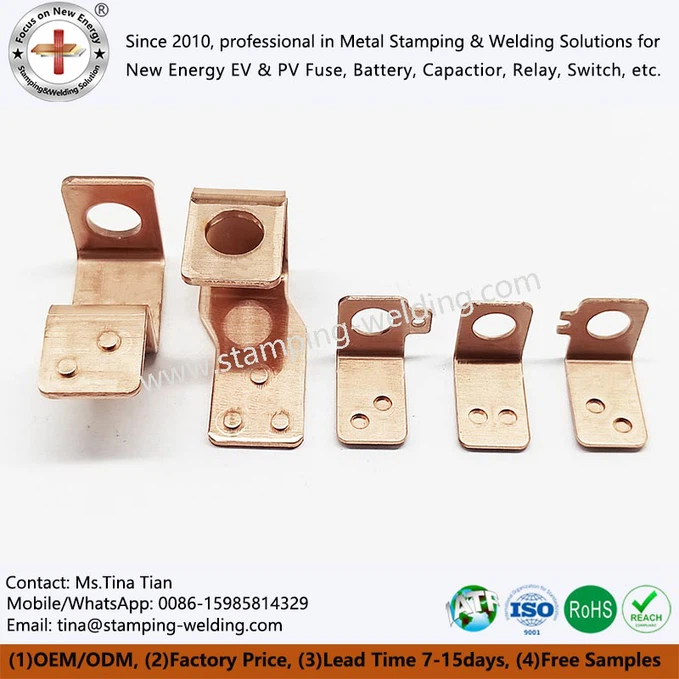
Insulation method of heat shrink tubing
One of the insulation treatment methods for Electrical copper bus bars is to wrap them with heat shrink tubing. The material can withstand a heat temperature of up to 125 degrees Celsius and can be used stably for a long time under the condition of proper control of copper bar temperature rise. Heat shrink tubing can significantly reduce the requirement for air clearance and is suitable for scenarios with limited electrical clearance. This method is relatively easy to operate and has been applied in various switchgear structures, especially suitable for insulation protection of conventional shaped Ground bus bars.
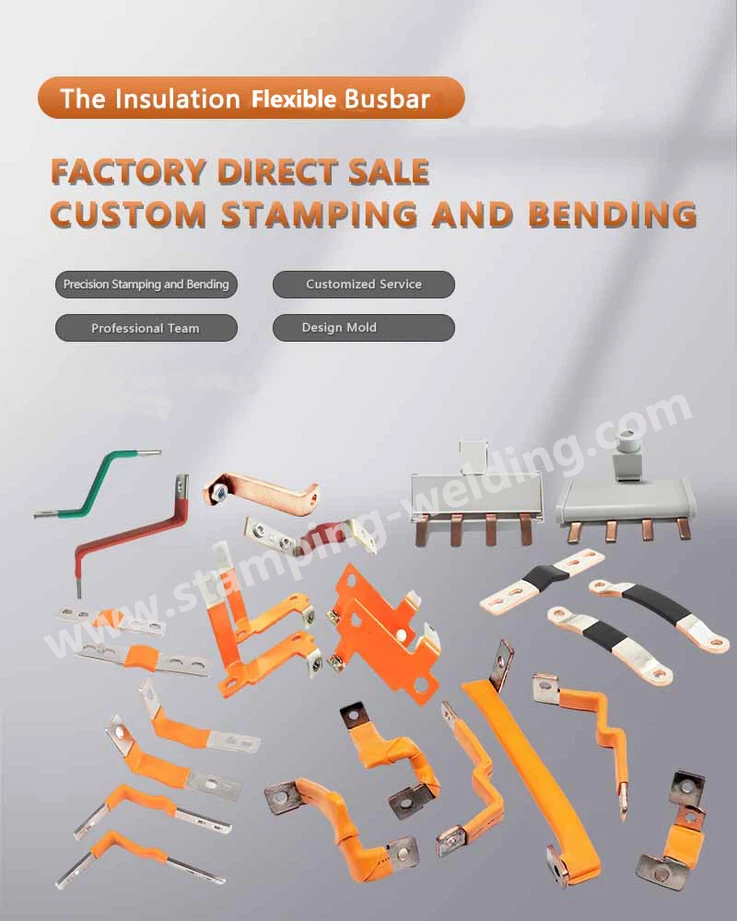
Epoxy resin coating insulation method
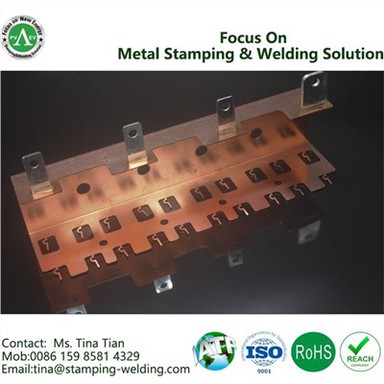
Compared to heat shrink tubing, epoxy resin coating provides more reliable insulation performance. This process forms a continuous and dense solid insulation layer on the surface of Busbar electrical through powder coating, especially suitable for copper bar parts with complex shapes and difficult to uniformly wrap with heat shrink tubing.
The typical process flow includes cutting, bending, and stamping, followed by uniformly adsorbing epoxy resin powder onto the surface of a Copper solid bus bar using vulcanization bed, electrostatic spraying, and other methods. After high-temperature curing, a hard insulation layer is formed. This coating has good heat resistance, corrosion resistance, and electrical insulation, significantly improving the service life of copper bars while maintaining their original mechanical strength.
Process classification and application standards
The main process forms for insulation treatment of Power busbars currently include thermal spraying, hot dip coating, electrostatic spraying, and electrostatic fluidized bed spraying. The fluidized bed coating method achieves uniform thickness and strong adhesion of the insulation layer by preheating at high temperature, adsorbing epoxy resin powder, and curing it into shape. In higher voltage levels such as 40.5kV switchgear, the use of epoxy resin insulation treatment can effectively reduce the distance between phases and relative ground, and optimize the cabinet structure design. The relevant international standards clearly require that the insulation layer of High voltage busbars must meet safety indicators such as flame retardancy, providing a basis for process selection.
contact us
If you need to further understand the technical solutions for the Electrical copper bus bar insulation process or obtain targeted application suggestions, please feel free to contact us. We will provide you with professional technical support and consulting services.