What is the role of the busbar in the electric vehicle industry?
Mar 03, 2024
What are busbars?
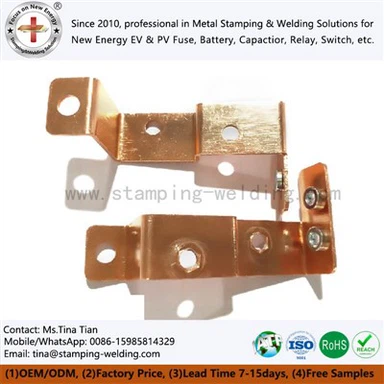
Busbars are metallic strips or bars that serve as conductors for electrical currents in various applications. They are typically made of highly conductive materials such as copper or aluminum and are used to distribute electrical power from one point to another within an electrical system. Busbars are commonly found in electrical distribution systems, switchgear, circuit breaker panels, motor control centers, and electrical substations. They provide a centralized connection point for multiple electrical devices or components, allowing for the efficient transmission of electricity. Automotive BusBars come in various shapes and configurations, including flat bars, rectangular bars, and circular bars. They can be insulated or uninsulated, depending on the specific requirements of the application. Insulated busbars are coated with a layer of insulating material to prevent electrical shorts and ensure safety.

What are the roles of busbars in the electric vehicle industry?
In the electric vehicle (EV) industry, BusBar automotives play several critical roles in ensuring the efficient and reliable operation of electric vehicles. Here are the key roles of busbars in the electric vehicle industry:
- Power Distribution
Busbars distribute electrical power from the battery pack to various components within the electric vehicle, including motors, inverters, charging systems, and auxiliary electronics. They serve as the primary conduits for transmitting high-current electricity throughout the vehicle's electrical system.
- Current Management
EV BusBars manage the flow of electrical current within the electric vehicle, ensuring balanced distribution and preventing overloading of individual components. They help regulate the flow of electricity between the battery cells, motor controllers, and other electrical systems to optimize performance and efficiency.
- Thermal Management
Busbars play a crucial role in dissipating heat generated during operation, particularly in high-current applications such as motor control and fast charging. Proper thermal management is essential for maintaining optimal operating temperatures and prolonging the lifespan of the vehicle's electrical components.
- Safety Features
Automotive power busbars incorporate safety features such as insulation coatings and protective enclosures to prevent electrical shorts and reduce the risk of thermal runaway. They help ensure the safe and reliable operation of the vehicle's electrical system, protecting both vehicle occupants and the car itself from electrical hazards.
- Structural Support
Busbars provide structural support to the vehicle's electrical system, helping to maintain the integrity and stability of the system under dynamic operating conditions. They ensure that electrical components remain securely connected and properly aligned, minimizing the risk of damage or malfunction.
- Integration with Monitoring Systems
Bus Bar Connectors are often integrated with monitoring systems that monitor the voltage, current, temperature, and state of charge of the battery pack and other electrical components. This data is used to optimize performance, diagnose issues, and ensure the overall health of the vehicle's electrical system.

What are busbars used for?
Busbars are used for various purposes in electrical systems due to their ability to transmit electrical currents efficiently. Here are some common uses of busbars:
- Power Distribution
Busbars serve as primary conductors for distributing electrical power from a power source, such as a transformer or generator, to multiple electrical loads or devices. They provide a centralized connection point for connecting and supplying electricity to various components within an electrical system.
- Switchgear and Circuit Breaker Panels
Busbars are commonly found in switchgear and circuit breaker panels, where they connect incoming power lines to circuit breakers or switches. This allows for the safe and controlled distribution of electricity, as well as the isolation and protection of electrical circuits.
- Electrical Substations
In electrical substations, EV Bus Bars are used to interconnect different electrical equipment, such as transformers, circuit breakers, and switchgear. They facilitate the transfer of electrical power between various components of the substation and the larger electrical grid.
- Motor Control Centers (MCCs)
Busbars are integral components of motor control centers, where they connect electrical power to motor starters, contactors, and other motor control devices. This enables the control and operation of electric motors in industrial and commercial applications.
- Power Distribution Panels
Busbars are used in power distribution panels to interconnect circuit breakers, fuses, and other electrical components. They provide a centralized point for routing electrical power to different areas of a building or facility, allowing for efficient and organized electrical distribution.
- Electric Vehicle (EV) Battery Packs
In electric vehicles, Automotive BusBar PET Insulations are used to connect individual battery cells within the battery pack, facilitating the distribution of electrical power to the vehicle's propulsion system, charging system, and auxiliary components.

our Products
In the electric drive and electronic control system of electric vehicles, capacitors are key components of DC support and filtering. The electrical connection between them and the power module needs to meet multiple requirements such as large current carrying, low stray inductance, and compact space adaptation. Tin Plated Copper BusBar for EV (electric vehicle capacitor busbar) is a laminated conductive component designed for this purpose. It usually uses multiple layers of copper or aluminum conductors laminated, separated by an insulating film in the middle, to form a low-inductance input/output interface for the capacitor. The busbar is directly welded or bolted between the film capacitor terminals and the IGBT/SiC power module, allowing the DC bus capacitor to provide stable voltage support and ripple current absorption for the inverter through the shortest electrical path. From a structural design perspective, the EV capacitor busbar needs to accurately match the terminal layout of the capacitor body and the pin position of the module. The thickness and width of its conductive layer are calculated based on the rated current and peak withstand current of the capacitor. The dielectric strength of the insulating layer needs to meet the withstand voltage requirements of high-voltage platforms of 800V and above.
contact us
If you need to develop EV Capacitor Busbar for your electric drive project, please fill out the inquiry form below to inform us of the voltage platform, capacitance capacity and terminal interface drawings. The engineering team will provide a design plan and sample quotation within working days.