Electricity Bills Continue To Rise, And TheInstallation Of Household Photovoltaics in American Households Has Become A General Trend
May 23, 2022
Research shows that many home users in the United States invest between $15,000 and $30,000 in residential PV systems. Is it worth the investment compared to paying the utility company for electricity without using the electricity from the PV system?

When purchasing a residential PV system, its high quotation may make people wonder why they would buy such an expensive PV system?
Compared to installing residential PV systems, the electricity bills paid to the utility company do not appear to be that high. The research organization conducted an investigation on this, first of all, it investigated the current market situation, the reasons why users install photovoltaic systems, and how much electricity they expect to pay. It then examines the average cost of PV modules and analyzes incentives in each US state to increase the value of residential PV systems.
According to the U.S. Energy Information Administration (EIA), each household uses an average of 893kWh of electricity per month, so at an average price of $0.138/kWh, the monthly electricity bill is about $123, compared to the monthly electricity bill per household in California. for $229. Statistics show that over the past 20 years, retail electricity prices in the United States have increased by 59%, or 2.95% per year. This means that over the next 20 years, the average monthly electricity bill in the United States will increase to $213, while the average monthly electricity bill in California will increase to $398.
That means US households will pay a total of $39,460 in electricity bills over the next 20 years based on historical rates. California households will pay $73,465 in electricity bills over the next 20 years.
Recent industry developments have shown that commodity prices have risen sharply, and energy is no exception. So what will the electricity bill be in 20 years? These bills also assume that the energy usage of home users will remain the same for 20 years, but as the US strives to electrify the home, increase appliances and adopt electric vehicles, many home users can be expected to More electricity will be used in the future.
Another factor that could lead to higher electricity bills is transmission upgrades. The U.S. electrical infrastructure that powers home customers is aging and in need of major upgrades or renovations. According to estimates, $500 billion will be spent on transmission infrastructure by 2035. The $50 billion cost will be passed on to U.S. households, which will inevitably raise electricity prices.
The benefits of backup power may also increase over time. Power outages are on the rise across the U.S., and an Associated Press analysis of U.S. Energy Information Administration (EIA) data shows that U.S. outages associated with severe weather events have doubled over the past 20 years. Storms caused by climate change are expected to continue to increase, so the role of battery energy storage systems as backup power sources in providing reliable energy is likely to increase significantly.

In fact, people don't know how much electricity will be used in the next 20 years. Although electricity bills in the U.S. have increased 59% over the past 20 years, future electricity bills cannot be determined. This is where photovoltaic systems come into play. By purchasing and installing PV systems, home users can ensure future electricity price certainty, making it easier to budget and plan for the future.
As a general trend, the price of PV systems has fallen. In 2010, the average cost of installing a residential PV system was about $40,000, while current prices have fallen by more than 70% since then, and by about 37% in the past five years alone. However, PV module prices rose slightly in 2022 due to transportation costs, material costs and tariffs imposed on imported PV systems, and these pressures are not expected to ease in the short term.
When comparing quotes, cost per watt of electricity is the best comparison metric. The National Renewable Energy Laboratory's price benchmark said that by 2021, the average electricity price in the United States will be $2.65/W, while the average installed capacity of residential PV systems in the United States will be 7.15kW. Therefore, the average cost of installing a residential PV system is about $18,950. The average cost of a 12.5kWh battery energy storage system installed for it is $4.26/W, and the average price including batteries is $30,460.
The above costs do not include any incentives. Currently, the U.S. federal government provides a 26% investment tax credit for photovoltaic systems. Eligible photovoltaic systems can reduce costs. The price of a residential photovoltaic system without a battery energy storage system is US$14,023. A battery energy storage system is installed. The price is $22,540. Compared to the potential utility bill of $39,460, direct sourcing of PV systems appears to show clear economic benefits.
Many homeowners require loans to purchase residential PV systems. Its short-term interest rate is 2.99% or lower, but the interest rate on a 20-year loan is usually 5% to 8% or higher. Based on an average annual interest rate of 7%, a $14,000 loan for a residential PV system would total about $26,000 over 20 years, while a PV system, including battery storage, would total about $42,000.
Under normal circumstances, when home users adopt photovoltaic systems, utility companies will still charge them grid access fees even if 100% of their electricity needs are met. While the fees charged by each utility vary, they are generally around $10 per month. And over the next 20 years, that equates to about $2,400 that households will still have to pay the utility, plus fees for excess electricity.
Based on the data, home users could potentially save as much as $12,000 with a 20-year loan. In some parts of the US where retail energy prices are above average, home users can save even more.
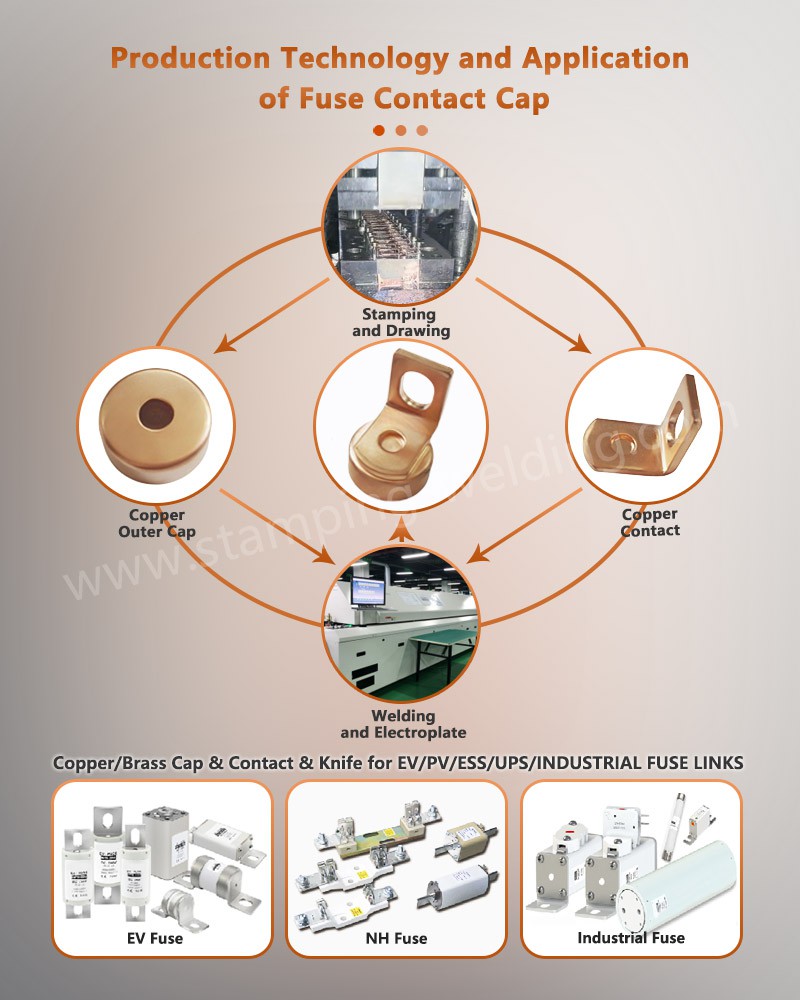
Since 2010, Xiamen Apollo Stamping Welding Technology Co., LTD has specialized in Metal Stamping and Welding solutions for New Energy, like EV Film Capacitor Copper BusBar, Laminated Copper BusBar, Insulated Copper Busbar, Flexible Busbar, Fuse Copper Contact Cap, Battery Aluminum Case and Safety Cover, and other electrical products, Metal Stamping and Welding Assembly.
contact us