


Exploring The World Of PLC Cabinets: Essential Knowledge For Industrial Automation
May 20, 2025
What is a PLC Cabinet?
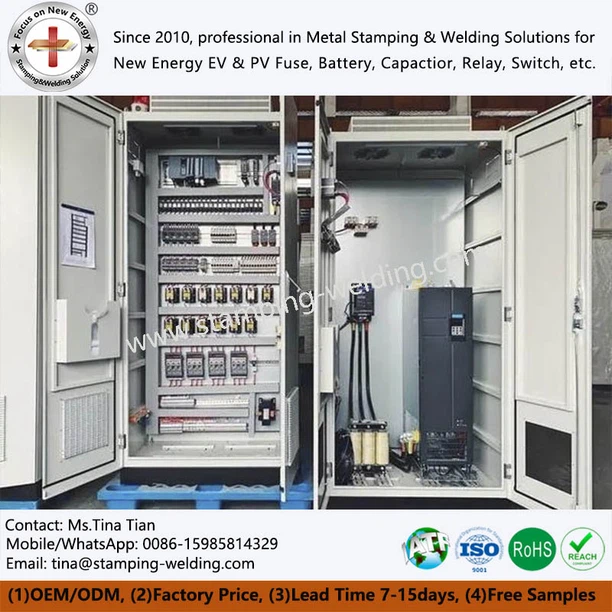
A PLC (Programmable Logic Controller) cabinet is an essential component in industrial automation systems. It is essentially an enclosure that houses a PLC and various other electrical components required for controlling machines and processes. The primary purpose of a PLC cabinet is to protect the sensitive electronic equipment from environmental factors such as dust, moisture, and physical damage while providing a centralized location for system integration and maintenance.

Key Components of a PLC Cabinet
| PLC Unit | The PLC is the brain of the cabinet. It is a specialized computer designed to withstand harsh industrial environments. It processes inputs from sensors and other devices, executes control logic programmed by engineers, and sends outputs to actuators, motors, and other equipment. Modern PLCs are highly programmable and can handle complex automation tasks with precision and reliability. |
| Power Supply | The power supply unit converts the incoming electrical power (usually AC) into the required DC voltage levels for the PLC and other components. It ensures a stable and clean power source, which is crucial for the proper functioning of the control system. Some PLC control cabinet may also include uninterruptible power supplies (UPS) to provide backup power during short power outages. |
| Input/Output (I/O) Modules | I/O modules are the interface between the PLC and the external world. Input modules receive signals from sensors, switches, and other devices, converting them into digital signals that the PLC can understand. Output modules, on the other hand, send control signals to actuators, relays, and other equipment to perform specific actions. These modules can handle various types of signals, including digital, analog, and communication signals. |
| Terminal Blocks | Terminal blocks are used for connecting wires and cables to the PLC and other components. They provide a secure and organized way to manage electrical connections, making it easier to troubleshoot and maintain the system. Terminal blocks often come in different configurations to accommodate various wire sizes and connection requirements. |
| Communication Modules | In modern industrial systems, communication modules are essential for connecting the PLC to other devices and networks. These modules enable data exchange between the PLC and human-machine interfaces (HMIs), other PLCs, SCADA (Supervisory Control and Data Acquisition) systems, and the Internet of Things (IoT) devices. Common communication protocols used include Ethernet, Modbus, Profibus, and others. |
| Fuses and Circuit Breakers | These components provide protection against electrical overloads and short circuits. Fuses and circuit breakers are designed to interrupt the power supply when abnormal conditions are detected, preventing damage to the PLC and other equipment. They are an essential part of the safety and reliability of the control system. |
| Cabinet Enclosure | The enclosure itself is an important part of the PLC control cabinet. It is typically made of metal (such as steel or aluminum) and is designed to be robust and durable. The enclosure provides physical protection against environmental factors, including dust, moisture, and physical impacts. It also helps to dissipate heat generated by the components inside. The enclosure is usually rated according to IP (Ingress Protection) standards, which specify the level of protection against solid objects and water ingress. |
Applications of PLC Cabinets
Manufacturing Plants
In manufacturing facilities, PLC control cabinet control assembly lines, robotic systems, and material handling equipment. They ensure the precise and efficient operation of machines, leading to increased productivity and reduced downtime.
01
Food and Beverage Industry
It plays a crucial role in controlling processes such as mixing, heating, cooling, and packaging in food and beverage production. They help maintain consistent product quality and comply with strict hygiene and safety standards.
02
Water and Wastewater Treatment
It is used to monitor and control water treatment processes, including pumping, filtration, and chemical dosing. They ensure that water quality meets regulatory requirements and optimize the efficiency of treatment plants.
03
Energy and Power Plants
In power generation and distribution facilities, PLC control cabinets control turbines, generators, and other critical equipment. They help monitor system performance, manage energy consumption, and ensure a reliable power supply.
04
Automotive Industry
Control System Cabinets with PLC are integral to the automation of automotive manufacturing, including body shop automation, paint shop processes, and final assembly lines. They contribute to the high precision and repeatability required in vehicle production.
05
Design Considerations for PLC Cabinets
When designing a PLC-based control Cabinet, several factors need to be taken into account to ensure its effectiveness and reliability:
1. Environmental Conditions
The location where the Electrical control cabinet will be installed determines the level of protection required. For example, cabinets installed in dusty environments need higher IP ratings, while those in humid areas require protection against moisture ingress. Proper ventilation and cooling systems may also be necessary to manage heat dissipation.
2. System Scalability
Future expansion should be considered during the design phase. The cabinet should have enough space and capacity to accommodate additional components or increased I/O requirements as the automation system grows.
3. Safety and Compliance
The design must comply with relevant safety standards and regulations. This includes proper grounding, protection against electrical hazards, and ensuring that the cabinet meets industry-specific requirements.
4. Maintenance Accessibility
Ease of maintenance is crucial for the long-term reliability of the system. The Electrical control cabinet should be designed with easy access to components for troubleshooting, replacement, and routine maintenance. Clear labeling and documentation are also important for efficient maintenance.
5. Redundancy and Reliability
In critical applications, redundancy may be required to ensure continuous operation. This can include redundant power supplies, PLCs, or communication links. Additionally, selecting high-quality components and following best practices in electrical engineering can enhance the overall reliability of the cabinet.

Conclusion
Control System Cabinets with PLCs are indispensable in modern industrial automation. They provide a centralized and protected environment for PLCs and other control components, enabling efficient and reliable control of complex processes. By understanding the key components, applications, and design considerations of PLC cabinets, engineers and technicians can effectively implement and maintain robust automation systems that meet the demands of various industries.

contact us


