Lithium Iron Phosphate Battery
Aug 28, 2023
introduce
——
The Lithium Iron Phosphate (LiFePO4) battery, often referred to as LFP battery, is a cutting-edge rechargeable battery technology. Known for its superior safety features, LiFePO4 batteries have gained popularity in various applications. They offer exceptional thermal stability, making them highly resistant to overheating, and are less prone to thermal runaway compared to other lithium-ion batteries. LiFePO4 batteries are also renowned for their long cycle life, making them an excellent choice for energy storage systems, electric vehicles, and renewable energy applications. Their eco-friendliness, impressive charge and discharge efficiency, and stable voltage output further solidify their reputation as a reliable and sustainable energy storage solution.

advantages
——
- Enhanced Safety: LiFePO4 batteries are renowned for their superior safety characteristics. They are highly resistant to thermal runaway, which significantly reduces the risk of overheating, fire, or explosion, even under extreme conditions.
- Long Cycle Life: LiFePO4 batteries have an extended cycle life, capable of enduring a significantly higher number of charge and discharge cycles compared to many other lithium-ion battery chemistries. This longevity makes them a cost-effective solution in the long run.
- Stable Voltage Output: LiFePO4 batteries maintain a stable voltage output throughout their discharge cycle, providing consistent power delivery. This feature is crucial for applications where a steady and predictable energy supply is required.
- Fast Charging: They offer impressive fast-charging capabilities, enabling quick recharging in a relatively short period, which is especially beneficial for electric vehicles and energy storage systems.
- High Discharge Rate: LiFePO4 batteries can deliver high discharge currents, making them suitable for applications that require rapid bursts of power, such as electric vehicles and power tools.
- Low Self-Discharge Rate: These batteries exhibit a low self-discharge rate, meaning they can retain their charge for longer periods when not in use. This attribute minimizes energy loss during storage.
- Wide Operating Temperature Range: LiFePO4 batteries can operate effectively within a wide temperature range, from sub-zero temperatures to relatively high temperatures, making them adaptable to various environments.
- Environmentally Friendly: LiFePO4 batteries are considered environmentally friendly as they do not contain heavy metals like cobalt or nickel, which are less eco-friendly and have associated mining and disposal challenges.
- Minimal Maintenance: LiFePO4 batteries require minimal maintenance, as they do not suffer from the "memory effect" observed in some other battery chemistries. This means they can be partially charged or discharged without affecting their overall performance.
- Versatile Applications: Due to their combination of safety, reliability, and performance characteristics, LiFePO4 batteries find applications in a wide range of industries, including electric vehicles, solar energy storage, uninterruptible power supplies (UPS), telecommunications, and more.
limitations
——
- Lower Energy Density: LiFePO4 batteries generally have a lower energy density compared to some other lithium-ion battery chemistries like lithium cobalt oxide (LiCoO2). This means they may have a lower capacity for storing energy by weight or volume.
- Higher Weight: Due to their lower energy density, LiFePO4 batteries can be heavier for a given energy capacity compared to other lithium-ion batteries. This can impact their suitability for applications where weight is a critical factor.
- Reduced Specific Power: While they have a good power-to-energy ratio, LiFePO4 batteries may have lower specific power (the ability to deliver high power output relative to their size) compared to some other lithium-ion chemistries.
- Slightly Lower Voltage: LiFePO4 batteries have a lower nominal voltage (typically 3.2 volts per cell) compared to other lithium-ion batteries (usually around 3.6 to 3.7 volts per cell). This voltage difference may require modifications in some electronic systems.
- Limited Availability: Although LiFePO4 batteries are becoming more common, they may not be as widely available as some other lithium-ion chemistries, which can impact replacement and maintenance in certain regions.
- Higher Initial Cost: LiFePO4 batteries can have a higher upfront cost compared to some other lithium-ion batteries. However, this cost difference is often offset by their longer lifespan and lower total cost of ownership over time.
- Reduced Thermal Tolerance: While LiFePO4 batteries are known for their thermal stability and safety, they may not perform as well as other lithium-ion chemistries in extremely cold temperatures.
- Sensitivity to Overcharging: Although LiFePO4 batteries are more forgiving than some other lithium-ion batteries when it comes to overcharging, they can still be damaged if subjected to excessive voltage, so proper charging and protection circuits are essential.
- Lower Discharge Voltage: As LiFePO4 batteries discharge, their voltage drops more rapidly than other lithium-ion chemistries. This means that electronic devices relying on a specific voltage range may not operate as long with LiFePO4 batteries.
applications
——
- Electric Vehicles (EVs): LiFePO4 batteries are extensively used in electric cars, e-bikes, and scooters. Their high energy density, long cycle life, and rapid charging capabilities make them ideal for providing the power needed to propel electric vehicles.
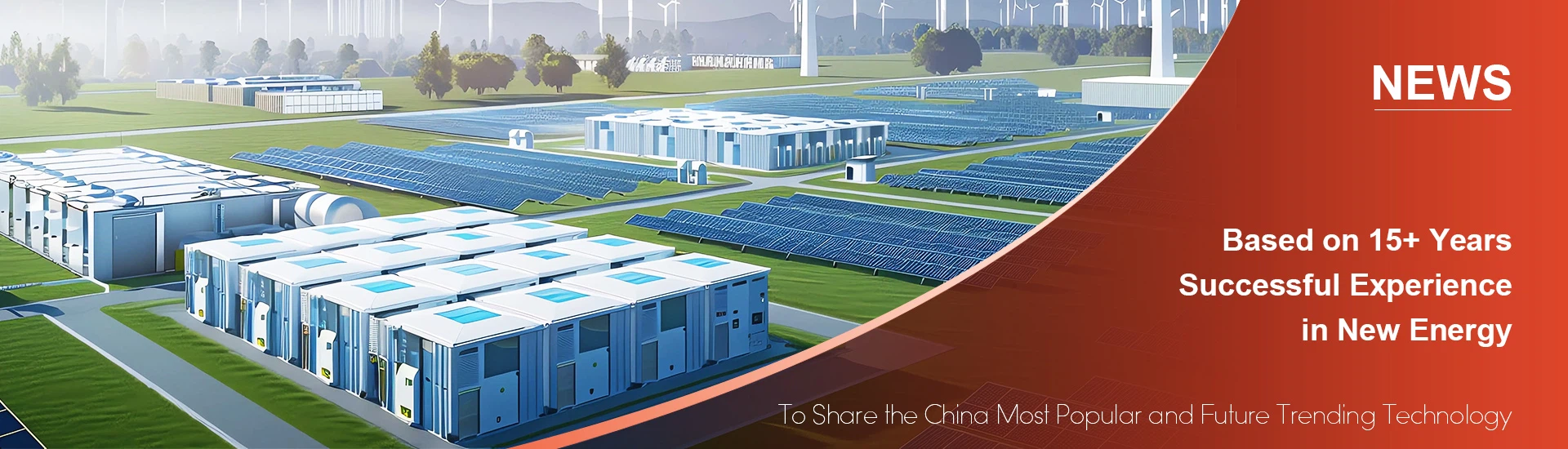
- Renewable Energy Storage: LiFePO4 batteries play a crucial role in storing energy generated from renewable sources like solar panels and wind turbines. They store excess energy during periods of high generation and release it when needed, ensuring a stable and continuous power supply.
- Uninterruptible Power Supplies (UPS): These batteries are employed in UPS systems to provide backup power during electrical outages, ensuring that critical operations, such as data centers and hospitals, continue without interruption.
- Telecommunications: LiFePO4 batteries are used in base stations, cell towers, and remote communication sites to maintain continuous power supply and ensure uninterrupted communication services.
- Marine and RV Applications: They are employed in marine vessels and recreational vehicles (RVs) for auxiliary power, house batteries, and electric propulsion systems, offering a reliable and long-lasting energy source.
- Aerospace: LiFePO4 batteries are used in some aerospace applications due to their lightweight design, reliability, and ability to operate efficiently in extreme temperature conditions.
- Electric Tools: Power tools, such as drills and saws, benefit from LiFePO4 batteries, which provide high discharge rates and extended battery life, enhancing the performance of these tools.
- Medical Devices: LiFePO4 batteries are used in medical equipment like portable defibrillators, patient monitoring devices, and infusion pumps due to their reliability and long shelf life.
- Electric Gates and Security Systems: They are utilized in automatic gates, access control systems, and security devices, ensuring reliable operation during power interruptions.
- Grid Energy Storage: LiFePO4 batteries are deployed in grid-scale energy storage projects, helping balance the supply and demand of electricity, stabilize the grid, and support renewable energy integration.
- Off-Grid and Remote Power: In remote areas where access to the grid is limited or nonexistent, LiFePO4 batteries provide dependable off-grid power solutions for lighting, telecommunications, and remote monitoring.
- Electric Forklifts and Material Handling Equipment: These batteries are favored in industrial applications for their durability, high discharge capabilities, and ability to withstand heavy usage.
- Energy Storage for Homes: Homeowners utilize LiFePO4 batteries to store excess energy generated by solar panels for use during the night or during power outages, reducing reliance on the grid.
- Outdoor Recreational Equipment: LiFePO4 batteries power outdoor equipment like electric bicycles, camping gear, and portable power stations, providing reliable energy sources for outdoor enthusiasts.