
Photovoltaic Fuse
Aug 16, 2023
Introduce
——
A Photovoltaic Fuse, often referred to as a PV fuse, is a crucial component within solar power systems designed to ensure the safety and optimal performance of photovoltaic (PV) arrays. These fuses are specialized devices that safeguard both the solar panels and the connected equipment from overcurrent and fault conditions. By interrupting the flow of electricity when the current exceeds safe levels, PV fuses prevent damage to the solar panels, inverters, and other components, reducing the risk of fires, system failures, and costly repairs. These fuses are engineered to withstand the unique demands of solar installations, including varying environmental conditions, high DC voltage levels, and the potential for reverse currents. The implementation of PV fuses contributes to the reliability and longevity of solar power systems, making them an indispensable element for the sustainable and safe generation of clean energy from sunlight.
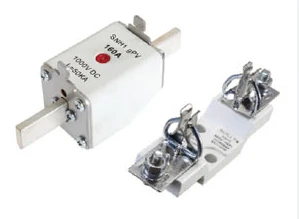
performance
——
1. Overcurrent Protection: One of the primary functions of a Photovoltaic Fuse is to provide robust overcurrent protection. In the event of a sudden surge in current due to factors like short circuits, lightning strikes, or equipment malfunctions, the fuse reacts promptly to interrupt the current flow. By preventing excessive current from reaching sensitive components like solar panels, inverters, and batteries, these fuses mitigate the risk of damage, fires, and costly repairs.
2. Fast and Accurate Response: PV fuses are engineered for rapid response. They have precise tripping characteristics that allow them to quickly detect and isolate overcurrent situations. This fast response time minimizes the duration of the fault, limiting potential damage and enhancing the safety of the overall system.
3. Reverse Current Handling: During periods of low sunlight or system downtime, reverse current can flow from batteries or the grid back into the solar panels. Photovoltaic fuses are designed to manage such reverse current scenarios effectively. This capability prevents the panels from sustaining damage and ensures their operational integrity.
4. Voltage and Environmental Resilience: PV fuses are constructed to withstand the high DC voltage levels inherent in solar arrays. Their design considers the unique environmental challenges that solar installations face, including temperature variations, exposure to UV radiation, and outdoor conditions. This resilience enables the fuses to consistently perform without compromising safety or functionality.
5. Arc Suppression Technology: To further enhance safety, many Photovoltaic Fuses incorporate advanced arc suppression technology. This feature minimizes the formation and propagation of electrical arcs when the fuse interrupts current. By reducing the risk of arcs, these fuses contribute to a safer operating environment, decreasing the potential for fires and electrical hazards.
6. Compatibility and Standardization: PV fuses are manufactured to adhere to industry standards, ensuring compatibility with various system components and ease of integration into solar installations. This standardization simplifies the process of selecting, installing, and maintaining the appropriate fuse for a given system.
7. Longevity and Reliability: The performance of a Photovoltaic Fuse directly impacts the overall lifespan and reliability of a solar power system. By preventing damage and disturbances caused by overcurrent events, these fuses extend the life of critical components and reduce the need for frequent repairs or replacements.
application
——
1. Solar Panels Protection: PV fuses are strategically placed within the circuitry of solar panels to safeguard them from overcurrent situations. They prevent excess current from reaching the panels during events like short circuits or abnormal power surges. By interrupting the current flow, these fuses prevent damage to the panels and maintain their efficiency and longevity.
2. Inverter Safety: Inverters are essential components in converting the DC power generated by solar panels into AC power for use in homes or the grid. PV fuses are often installed on the DC side of inverters to protect them from overcurrents that might occur due to internal faults or external disturbances. This prevents damage to the inverters and helps maintain the overall stability of the power system.
3. Combiner Boxes: Combiner boxes are used in larger solar arrays to consolidate the output from multiple strings of solar panels. PV fuses are commonly installed within these boxes to provide protection at the string level. In the event of a fault or overcurrent condition in a specific string, the corresponding fuse trips, isolating the fault and preventing it from affecting the entire array.
4. Junction Boxes: Junction boxes, which facilitate the interconnection of solar panels, also benefit from the installation of PV fuses. These fuses protect the electrical connections from overheating and potential fire hazards caused by excessive current.
5. Battery Banks: In systems with energy storage, such as solar plus battery installations, PV fuses are employed to safeguard the battery banks from overcurrent situations during charging or discharging cycles. This ensures the longevity and safety of the battery system.
6. Grid Connection Points: When solar power is integrated into the electrical grid, PV fuses are utilized to protect both the solar installation and the grid infrastructure. These fuses prevent reverse current flow from the grid during periods of low or no solar production, maintaining system stability and preventing damage.
7. Safety Considerations: Beyond equipment protection, PV fuses contribute to overall system safety. In the event of a fault, they quickly interrupt the current flow, minimizing the risk of electrical fires and other hazards that could endanger personnel or property.
8. Maintenance and Troubleshooting: PV fuses facilitate maintenance and troubleshooting processes. In the event of a fault, the tripped fuse indicates the location of the issue, allowing technicians to identify and rectify problems efficiently.
precautions for using Photovoltaic Fuse
——
1. Proper Sizing: Select PV fuses with appropriate current ratings that match the system's specifications and component capacities. Undersized fuses may not provide adequate protection, while oversized fuses could compromise safety and lead to equipment damage.
2. Component Compatibility: Ensure that the PV fuses chosen are compatible with the other system components, such as solar panels, inverters, batteries, and junction boxes. Incompatibility could affect performance and safety.
3. Compliance with Standards: Use PV fuses that adhere to relevant industry standards and certifications, such as UL (Underwriters Laboratories) or IEC (International Electrotechnical Commission). Compliance ensures that the fuses meet safety and performance requirements.
4. Installation by Professionals: PV fuses should be installed by qualified professionals who are familiar with solar power systems and electrical safety practices. Improper installation can lead to operational issues and safety hazards.
5. Proper Placement: Install PV fuses at strategic points in the circuit where overcurrent protection is needed, such as at the solar panels, inverters, combiner boxes, and battery banks. Consult system schematics and guidelines for optimal fuse placement.
6. Environmental Considerations: Ensure that the PV fuses are adequately protected from environmental factors like moisture, dust, and temperature extremes. Choose enclosures or locations that shield the fuses from such conditions to maintain their performance and lifespan.
7. Maintenance and Inspection: Regularly inspect PV fuses for signs of wear, damage, or corrosion. Replace damaged fuses promptly to ensure continuous protection. Follow manufacturer recommendations for maintenance intervals.
8. Use Suitable Disconnects: Incorporate suitable disconnect switches or breakers along with PV fuses for safe maintenance and servicing. These disconnects allow technicians to isolate specific components without exposing themselves to live circuits.
9. Labeling: Clearly label all PV fuses with relevant information, including their current rating, voltage rating, and purpose. Proper labeling aids in easy identification, maintenance, and troubleshooting.
10. Fuse Ratings: Pay attention to the voltage and current ratings of the PV fuses. The voltage rating should match or exceed the system's maximum voltage, while the current rating should provide the necessary protection without being too high.
11. Emergency Procedures: Have clear emergency procedures in place in case a fault or overcurrent event occurs. Train personnel on how to respond to such situations safely and effectively.
12. Documentation: Maintain detailed documentation of the PV fuse installation, including schematics, specifications, and maintenance records. This documentation aids in future maintenance, upgrades, and troubleshooting.
13. Adhere to Local Codes: Ensure that the installation of PV fuses follows local electrical codes, regulations, and permits. Compliance with these standards is crucial for both safety and legal reasons.
Our company is focused on top quality Copper End Cap, Fuse Terminal Contacts, (ELECTRICAL VEHICLE) EV Film Capacitor BusBar, (SOLAR POWER) PV Inverter BusBar, Laminated BusBar, Aluminum Cases for new energy batteries, Copper/Brass/Aluminum/Stainless Steel Stamping Parts, and other electrical products Metal Stamping and Welding Assembly for over 18 years in China. We started as a small operation, but now have become one of the leading suppliers in the EV and PV industry in China.
If you have any needs, please feel free to contact us and we will reply as soon as possible!