Standardization And Regulation Of Heat Shrink BusBar Industry Accelerates, Laying A Solid Foundation For Industrial Development From Multiple Dimensions
May 16, 2026
With the widespread adoption of 800V high-voltage platforms for new energy vehicles and the continued expansion of the energy storage and wind/solar power generation industries, the Heat Shrink BusBar industry is accelerating its technological leap from "basic protection" to "high voltage, long lifespan, and system integration." The standardization and normalization of industry standards are also accelerating, becoming a core support for promoting high-quality industrial development. Currently, industry standards related to heat shrink bars are exhibiting four core development trends, leading product technology upgrades and market standardization.
Performance Upgrade: From Single Insulation to Multi-Dimensional Protection
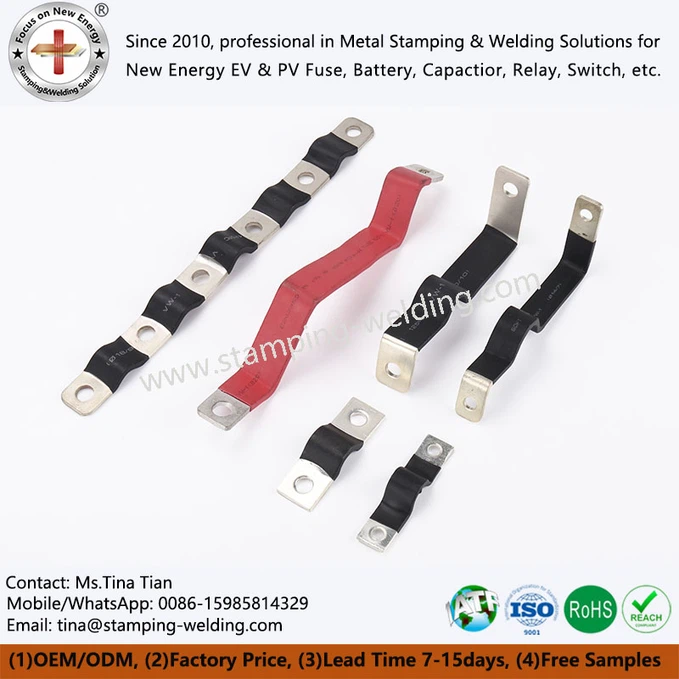
The standard requirements have shifted from single-dimensional insulation to a multi-dimensional performance approach encompassing electrical, environmental, and mechanical aspects, becoming the primary direction for industry standardization. Traditional heat shrink tubing primarily focuses on basic insulation protection, while the new standard imposes more stringent comprehensive requirements on product performance. It not only mandates that materials possess excellent resistance to electrical tracking and high voltage, meeting a withstand voltage standard of at least 1000V, but also emphasizes enhanced climate adaptability and mechanical vibration protection. Addressing the complex environments of new energy equipment, such as humidity and condensation, the new standard strictly controls the rate of insulation resistance attenuation, requiring an insulation resistance of at least 50MΩ at 85℃/85%RH. Simultaneously, it adapts to the severe vibrations during battery charging and discharging and vehicle operation, focusing on improving the product's shock-absorbing structure and material toughness to prevent copper busbar breakage at bending or stress concentration points, setting clear standards for performance optimization of products such as Heat Shrink Tube Polyolefin Bar.
Standards Detailing: Group Standards Fill Industry Gaps
The rapid emergence of more detailed and specialized group standards is effectively filling gaps in industry regulations. With the large-scale application of integrated busbars (CCS) in battery packs, traditional general electrical standards are no longer adequate for the specific needs of the new energy sector. The industry is accelerating the development of a more refined standard system. Currently, relevant organizations are actively promoting the formulation and review of group standards such as the "Technical Specifications for Extruded Copper for New Energy Vehicles" and the "Technical Requirements for New Energy Battery Integrated Busbars (CCS)." These standards incorporate key process parameters such as puncture resistance and vibration crack resistance into the assessment scope, providing precise and standardized guidance for the production and application of specialized products such as PVC Insulation and Bar Insulating Tubing, further improving the standard system for high-end new energy high-voltage electrical components.
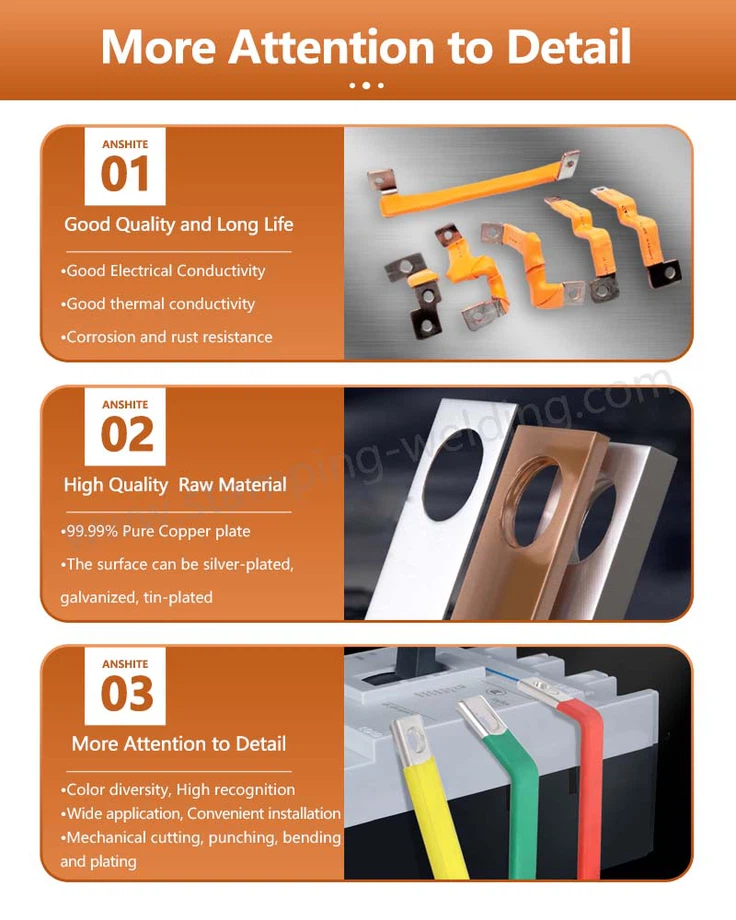
Process iteration: Driving the advancement of insulation technology
Iterative upgrades to process specifications are driving the transformation of insulation protection technology towards high-end applications. Limited by the physical characteristics of traditional heat-shrink tubing coating processes, minute air gaps easily form between the tubing and irregularly shaped copper busbars. In high-humidity environments, this can easily lead to partial discharge and insulation failure, becoming a pain point in the industry. In response, industry standards are actively guiding companies to phase out traditional processes and adopt advanced coating insulation technologies such as upgraded heat-shrink tubing, extrusion coating, and insulating powder coating. These technologies effectively eliminate interfacial air gaps, significantly improve the overall withstand voltage margin and heat dissipation performance of products, and drive a qualitative improvement in the process level of products such as Bar Sleeves Insulation and Heat Shrink Sleeves BusBar.
Environmental compliance: Strengthening the bottom line for industry development
Environmental protection and compliance thresholds have been raised across the board, becoming a crucial bottom line for industry standardization. With the accelerated globalization of the new energy industry, environmental compliance has become a mandatory indicator for companies to compete in the market, and relevant standards are continuously upgrading their environmental requirements for heat shrink tubing and busbar insulation. Currently, the industry is comprehensively phasing out harmful heavy metals and halogen components, strictly enforcing EU RoHS and REACH environmental standards, and incorporating material flame retardancy ratings (such as UL94-V0) and low-smoke, non-toxic indicators into the mandatory review scope for automotive OEMs and energy storage system integrators. This is driving the transformation of products such as Insulated Copper with Heat Shrink Tube and Busbar with PVC Insulation towards green and environmentally friendly directions, contributing to the sustainable development of the new energy industry.
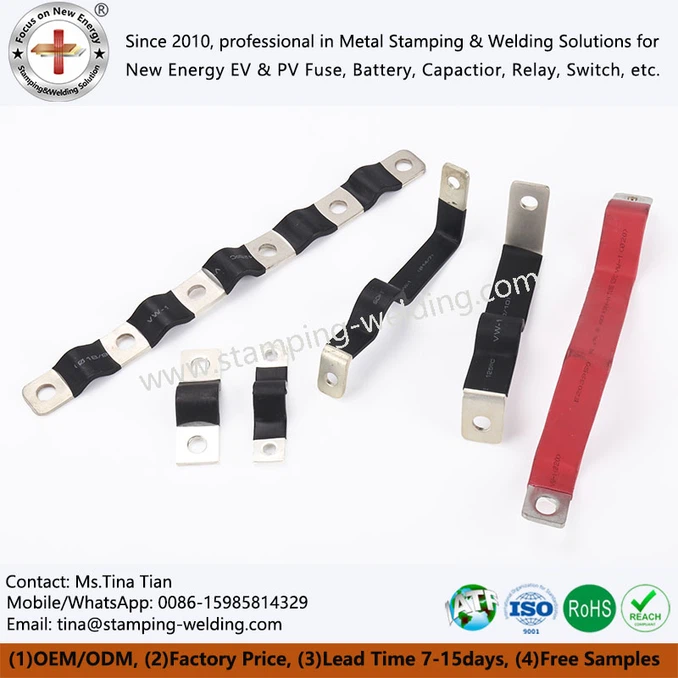
Industry Outlook: Standards Lead High-Quality Development
The standardization of industry standards for Heat Shrink BusBar in the new energy sector will not only unify product quality standards and reduce market chaos, but also guide enterprises to focus on technological innovation, enhance core product competitiveness, and provide a solid guarantee for the safe and stable development of downstream industries such as new energy vehicles, energy storage, and wind and solar power generation. In the future, with the further improvement and implementation of relevant standards, the industry will gradually form a positive pattern of "standard-led, technology-enabled, and compliant development," promoting higher-quality iterative upgrades of related products such as heat shrink tubing and busbars.
Contact Us
If you wish to leverage industry standards and trends to develop Heat Shrink BusBar related products or seek professional solutions, please feel free to contact us for further discussion.