The Continued Growth in Global Residential Energy Storage Market: Electricity Price Volatility, Policy Support, And Power Supply Security Drive The Development Of Solar-plus-Storage Systems
Oct 21, 2026
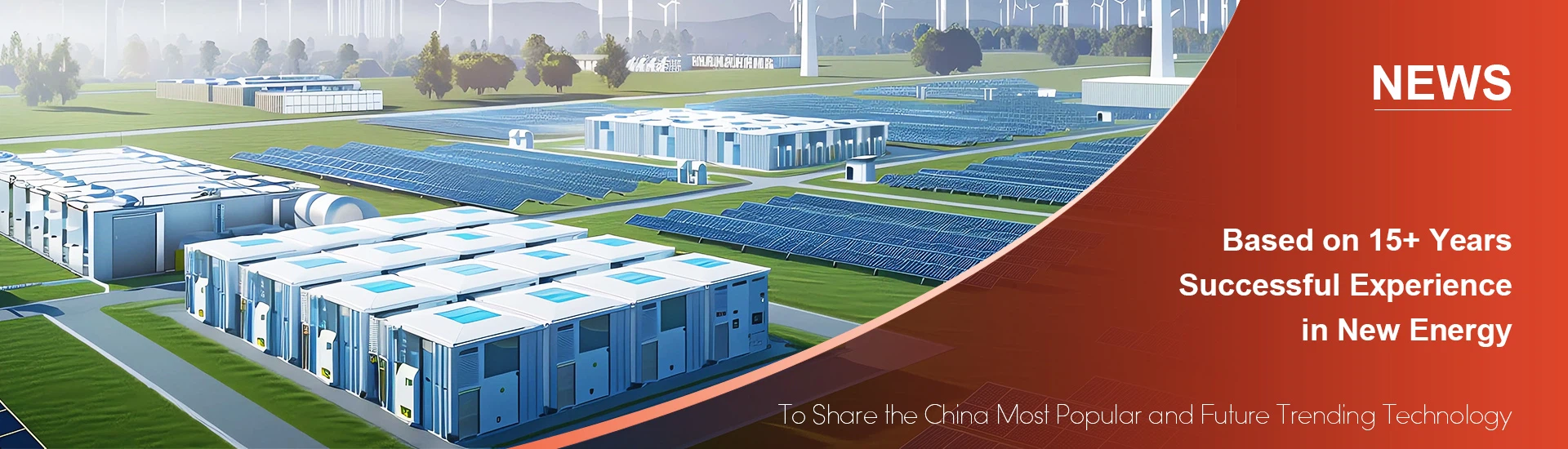
As the global energy transition progresses, factors such as rising residential electricity costs, concerns regarding power supply stability, and the growing installed capacity of renewable energy are collectively driving the development of the residential energy storage market. By 2025, global demand for residential energy storage has shown signs of a rebound, with applications continuing to expand across Europe, Australia, the United States, and several emerging markets. Looking toward 2026, electricity price volatility, shifts in energy policy, and a growing desire for household energy autonomy have further heightened market interest in residential energy storage systems.
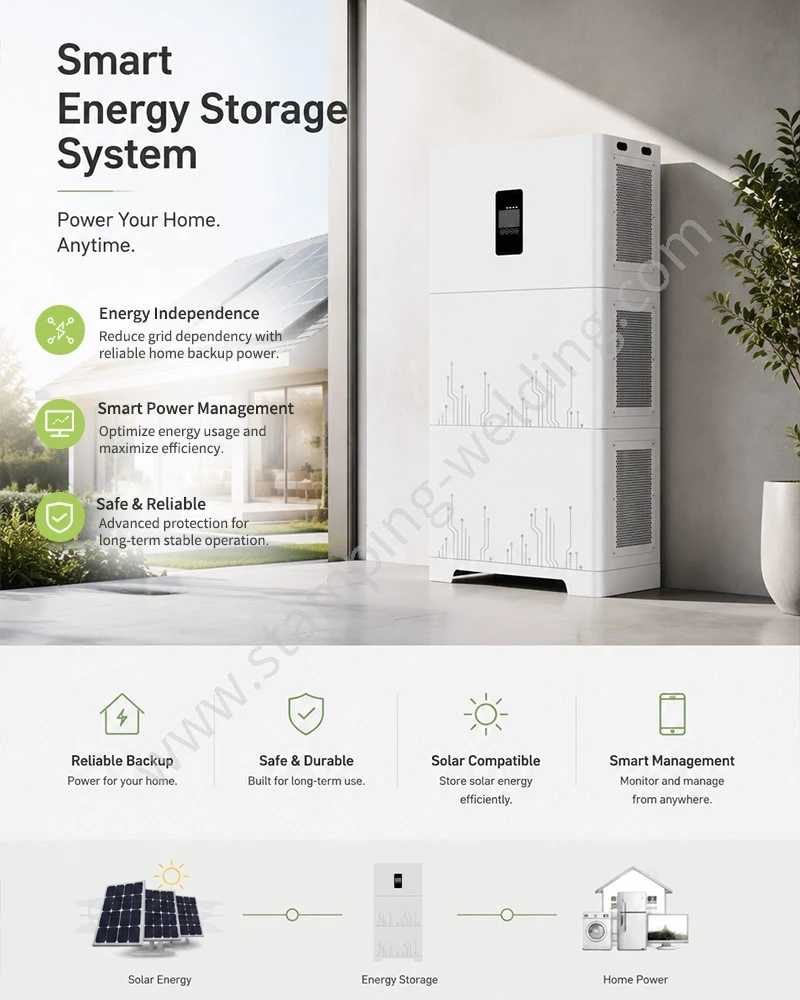
Residential energy storage systems are typically integrated with rooftop photovoltaic (PV) installations, inverters, and home electrical distribution systems. By storing energy-either generated via PV panels or purchased from the grid during periods of lower electricity prices-these systems can discharge power during peak demand or grid outages. This increases the rate of self-consumed energy and reduces reliance on the public power grid. Lithium-ion battery-based residential energy storage systems, characterized by high energy density, modular design, and flexible system integration, have emerged as a primary technical solution for home energy storage.
The drivers for the global residential energy storage market have evolved beyond simple electricity cost savings; they now encompass a broader range of needs, including energy cost management, backup power provision, the integration of renewable energy, and comprehensive home energy management.
The European Market: Electricity Price Volatility and the Demand for PV-Paired Storage
Europe stands as a key global market for residential energy storage. As the number of rooftop PV installations continues to rise, some regions experience an oversupply of electricity during periods of high solar irradiance, while still requiring power from the grid during the evening or at times of peak demand. This temporal mismatch between generation and consumption makes energy storage systems essential for maximizing the self-consumption of solar power and balancing household energy supply and demand.
In the context of distributed PV, residential solar energy storage systems allow households to store surplus energy generated during the day and discharge it at night or during periods of high demand, thereby reducing dependence on external power supplies. For households subject to dynamic electricity pricing, these storage systems can also be used to optimize charging and discharging strategies based on price fluctuations, ultimately improving the cost-efficiency of household energy consumption.
Meanwhile, several European countries are adjusting their tariff settlement mechanisms for distributed solar photovoltaic (PV) systems. Through subsidies, low-interest financing, and other policy measures, they are encouraging the upgrading of residential energy systems. As the financial returns from feed-in tariffs decline in some regions, households are increasingly motivated to boost their self-consumption of solar energy by incorporating energy storage systems.
However, electricity pricing mechanisms, subsidy criteria, grid-connection requirements, and product certification standards vary by country. The actual return on investment for an energy storage system depends on local electricity tariff structures, installed PV capacity, household load profiles, and equipment installation costs; therefore, project planning must be tailored to the specific application environment.
The Australian Market: High Rooftop PV Penetration Drives Residential Energy Storage Adoption
Australia possesses abundant solar resources, and rooftop PV systems are widely adopted in residential households. Yet, solar power generation is inherently time-dependent-peak generation often occurs during the day, while household electricity demand may not align. Consequently, the effective absorption and utilization of surplus energy have become critical challenges for system optimization.
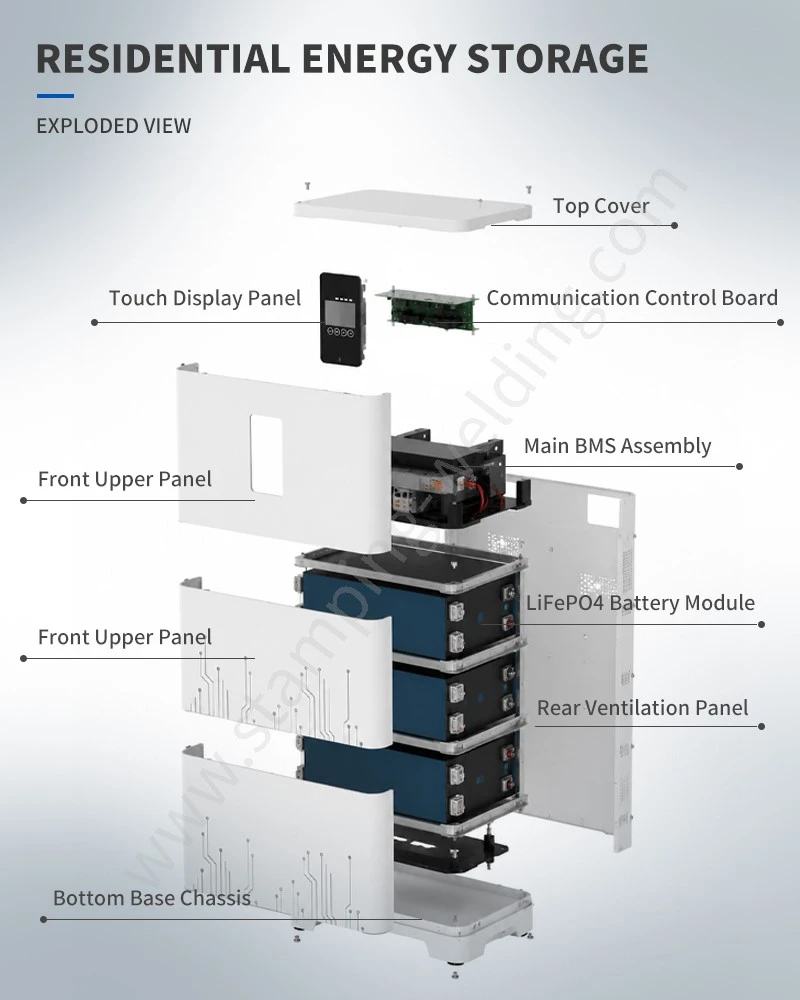
By utilizing a stackable residential energy storage system, users can flexibly combine battery modules based on their household load and future expansion needs, allowing for adjustments to storage capacity over time. This modular architecture also facilitates the upgrading of residential energy systems, making it an ideal solution for scenarios such as limited initial investment budgets or growing future electricity demand.
Policy support is another key driver for the Australian residential energy storage market. Subsidies, fluctuations in retail electricity prices, and the operational status of the distribution grid all influence household decisions regarding the installation of energy storage systems. When planning such projects, it is essential to consider not only battery capacity but also factors like inverter compatibility, grid-connection requirements, available installation space, thermal management, and ease of long-term maintenance.
As residential energy storage evolves from a simple backup power source into a tool for solar self-consumption, electricity cost optimization, and intelligent energy management, products that offer flexible scalability and stable performance are likely to see broader adoption.
The U.S. Market: Rising Electricity Demand Enhances the Value of Backup Power and Energy Management
Certain regions in the United States are grappling with growing electricity demand, the need for grid infrastructure upgrades, and the risk of power outages caused by extreme weather events. The expansion of data centers, the adoption of electrified equipment, and other new sources of electrical load have also brought increased attention to ensuring reliable power supply in these areas. Against this backdrop, residential energy storage is increasingly becoming an option for households looking to improve power supply reliability and manage electricity costs.
An "all-in-one" residential energy storage system integrates batteries, power conversion, and relevant control functions into a single unit, helping to simplify equipment configuration and installation. While such integrated solutions reduce the need for complex component integration, it is essential to verify the specific product architecture-such as whether it includes an inverter, an energy management system (EMS), and a transfer switch for backup power.
In the event of a grid outage, systems equipped with backup power capabilities can supply electricity to designated household loads. However, the actual duration of power supply depends on factors such as available battery capacity, load power consumption, conversion efficiency, and the system's operational strategy; therefore, backup capacity cannot be determined solely by the nominal battery capacity.
Furthermore, concepts like virtual power plants (VPPs) and the aggregation of distributed energy resources are opening up new business models for residential energy storage. Provided that local market rules, technical equipment standards, and user authorization requirements are met, distributed battery systems can participate in demand response programs or other grid services, potentially generating additional revenue.
For engineering, procurement, and construction (EPC) projects in the U.S. market, equipment selection must carefully account for local electrical codes, grid-interconnection certifications, backup load configurations, communication protocols, and the availability of professional installation services to ensure the system is well-suited to the local operating environment.
Emerging Markets: Demand for Power Stability Drives Potential for Residential Energy Storage
In regions such as India, Pakistan, parts of Southeast Asia, and Africa, there are significant disparities in grid coverage, power supply stability, and household energy expenditures. In areas prone to frequent power outages or those with weak grid infrastructure, residential energy storage-beyond enhancing energy efficiency when paired with solar PV-serves as a vital backup power source, keeping essential household equipment such as lighting, communication devices, and refrigerators running.
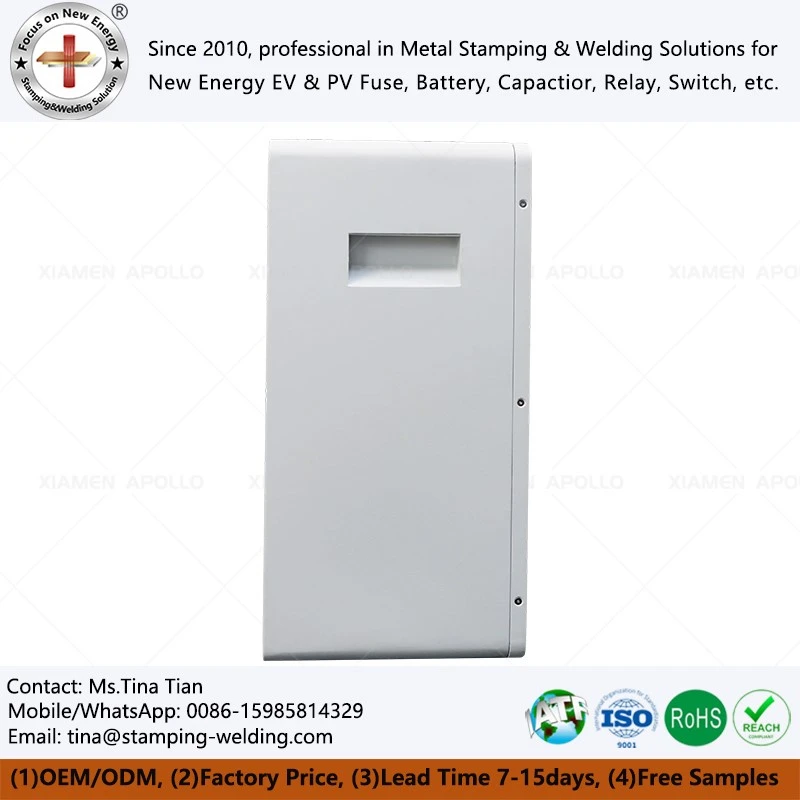
Hybrid residential solar-plus-storage systems combine solar PV modules, battery storage, and inverters, allowing for configurations tailored to local grid conditions-whether for grid-tied or off-grid operation. For households facing unstable grid power, system design must prioritize factors such as switching time, load prioritization, the need for continuous power supply, and battery cycle life. In residential settings with limited space, wall-mounted residential energy storage systems utilize vertical wall space, minimizing their footprint.
These systems are suitable for indoor or outdoor locations, provided the site has undergone a structural assessment and meets the product's installation requirements. For outdoor installations, it is critical to verify specifications such as the ingress protection (IP) rating, operating temperature range, moisture resistance, and overall environmental adaptability; one should not rely solely on the product name to determine its suitability for outdoor use.
For households with higher power demands or a need for longer backup durations, low-voltage floor-standing residential battery systems offer an appropriate solution. The final system performance is influenced by factors such as capacity configuration, the ability to expand via parallel connection, compatibility between the low-voltage battery and the inverter, and the proper selection of cables and protective devices.
Meanwhile, fluctuations in the costs of photovoltaic (PV) modules, batteries, and power electronics are shaping the adoption rate of residential energy storage in emerging markets. As system integration technology advances, a more diverse range of product solutions-tailored to varying grid conditions, household loads, and installation budgets-is becoming available.
Technological Evolution in Residential Energy Storage: A Focus on Integration, Safety, and Flexible Configuration
As application scenarios continue to diversify, residential energy storage products are trending toward greater integration, modularity, and intelligence. System design must go beyond battery capacity and output power, encompassing safety protection, thermal management, charge/discharge control, and long-term operational stability.
For space-constrained homes, residential lithium-ion battery storage systems can be configured based on a household's daily load and PV power generation. While lithium-ion batteries offer high energy density, the specific cathode chemistry-which dictates energy density, cycle life, thermal stability, and cost-should be selected according to the specific requirements of the application.
For projects requiring expanded storage capacity, "all-in-one" energy storage system (ESS) solutions simplify inter-device connectivity and control through integrated design; however, the exact scope of this integration depends on the specific product specifications and system architecture. When procuring such systems, it is essential to clearly define the scope of supply-including the battery, inverter, power distribution and protection components, monitoring modules, and communication interfaces-to avoid additional on-site integration costs resulting from an incomplete equipment configuration.
For outdoor installations, particular attention must be paid to dust resistance, waterproofing, corrosion resistance, and temperature adaptability. When selecting a waterproof, wall-mounted residential energy storage system, it is essential to verify the product's actual IP (Ingress Protection) rating, permitted installation environment, protection requirements for wiring ports, and the maintenance conditions specified by the manufacturer to ensure the equipment is well-suited to the project environment.
Furthermore, the long-term reliability of a residential solar energy storage system depends not only on the battery itself but also on factors such as cell consistency, thermal management design, electrical protection, system control logic, and installation quality. Robust quality control and traceable production processes help minimize product variability and maintenance risks in large-scale deployments.
Industry trends indicate that the residential energy storage market is shifting away from a singular focus on battery capacity toward a greater emphasis on system efficiency, safety design, equipment compatibility, and total cost of ownership (TCO) over the entire lifecycle.
For manufacturers and system integrators, continuously optimizing product architecture, enhancing consistency in mass production, and strengthening technical support capabilities are critical foundations for meeting global market demand.
Engineering, Procurement, and Project Selection: Refining Energy Storage Solutions Based on Application Requirements
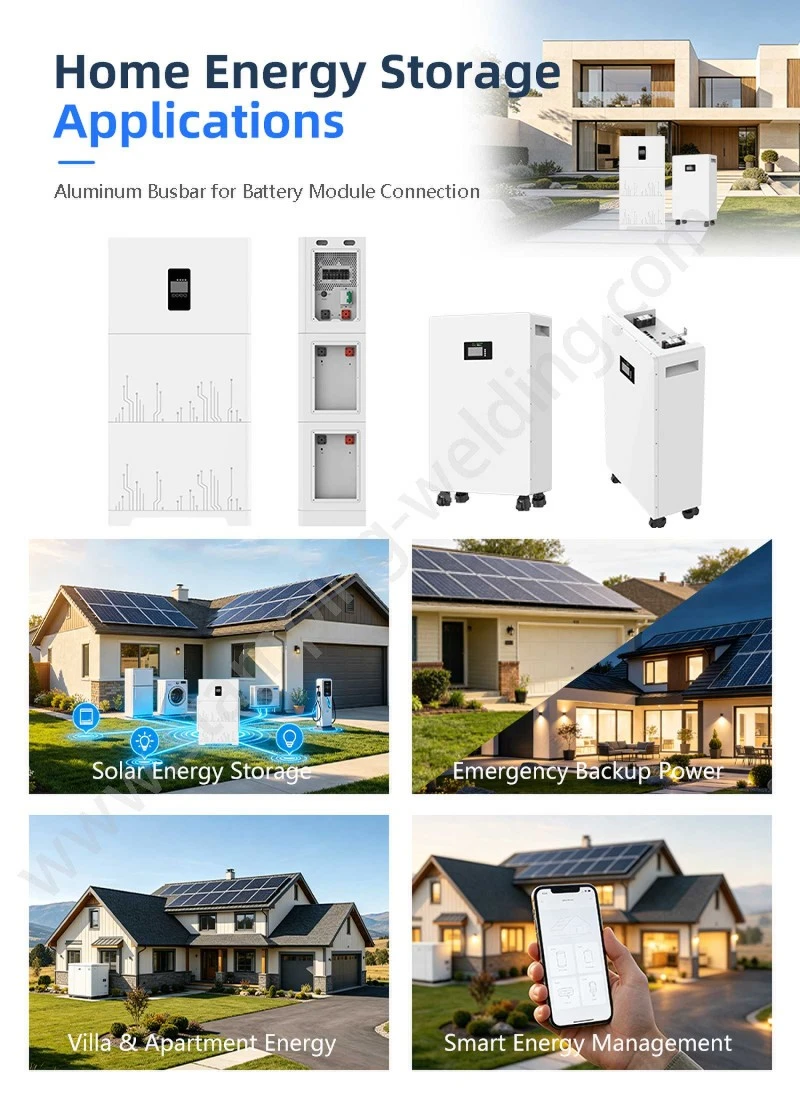
For developers of residential solar-plus-storage projects, system integrators, energy equipment distributors, and procurement teams, the selection of residential energy storage equipment requires a comprehensive assessment based on target market regulations, household load profiles, the scale of photovoltaic (PV) generation, and the required backup duration. Before procurement, it is advisable to clarify specifications such as battery chemistry, rated versus usable capacity, nominal charge/discharge power, test conditions for cycle life, operating temperature range, IP rating, communication protocols, and certification requirements. Additionally, confirm whether the product supports future capacity expansion.
In the context of bulk procurement, attention should also be paid to the protection functions of the Battery Management System (BMS), factory testing procedures, packaging and transport conditions, warranty coverage, availability of spare parts, and the completeness of technical documentation. For customized projects, providing details-such as the target market, installation environment, system voltage, load power, and projected procurement volume-in advance helps engineering teams assess product suitability and reduces communication overhead during the subsequent installation and commissioning phases.
If you are planning residential energy storage projects in Europe, Australia, the United States, or emerging markets, please share your project requirements, technical specifications, and procurement plans. We would be happy to discuss battery configuration, system integration, product certification, and bulk delivery strategies to help you develop an energy storage procurement plan tailored to your specific application needs.
contact us