The Role And Applications Of Copper Stamping Parts in Modern Manufacturing
May 06, 2025
Copper is one of the most versatile and widely used metals in industrial applications, valued for its excellent electrical conductivity, thermal properties, and corrosion resistance. One of the key methods for shaping copper into functional components is metal stamping, a process used to create precise parts through the application of high pressure on copper sheets. This article delves into the process of manufacturing copper stamping parts, their key characteristics, applications, and advantages in various industries.
What are Copper Stamping Parts?
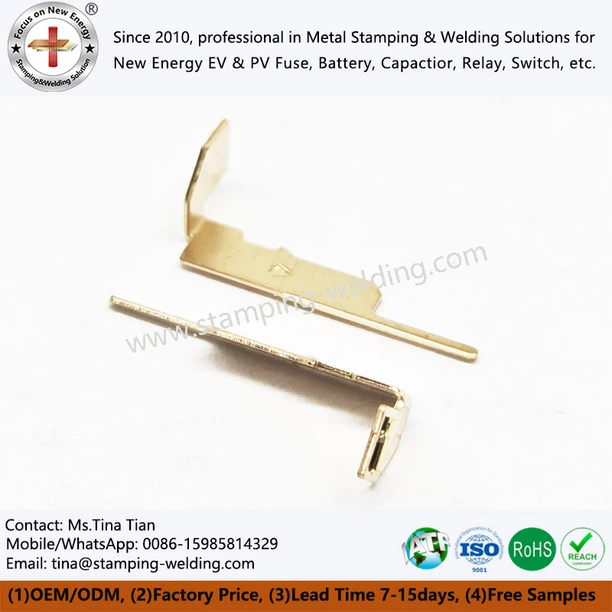
Stamping Copper Sheet is a component made from copper that has been shaped through a stamping process. Stamping involves placing a copper sheet or coil into a die, where high-pressure forces are applied to cut, shape, or form the metal into the desired part. The process can be used to create a wide range of parts, from simple flat pieces to more complex, intricate shapes. The copper used in stamping is often of high purity, commonly known as purple copper or oxygen-free copper, which ensures optimal performance in electrical and thermal applications.

The Stamping Process
The process of manufacturing copper stamping parts typically involves the following key steps:
Material Preparation
Copper sheets or coils are prepared by cutting them into appropriate sizes based on the design specifications of the part. These sheets are often pre-treated to ensure that they have the required properties for the stamping process.
01
Die Creation
A die is a tool made of hardened steel that has the reverse shape of the part to be produced. The die is designed to cut, bend, or form the copper sheet according to the final specifications of the part. Dies are often custom-made to meet the unique requirements of the parts being manufactured.
02
Stamping
The copper sheet is placed into the die, and a press machine applies force to the sheet, cutting, punching, or bending it into the required shape. The stamping process can be performed in one step or multiple steps, depending on the complexity of the part. Some stamping operations include blanking (cutting out a piece), embossing (creating raised or recessed shapes), and forming (shaping the metal).
03
Finishing
After the part has been stamped, additional processes such as trimming, cleaning, deburring, and surface finishing may be performed to ensure the part meets quality standards and is free of sharp edges or imperfections.
04
Inspection
Final inspection is conducted to verify that the stamped parts conform to the required tolerances and specifications. This step ensures that the parts will perform as expected in their final applications.
05
Properties of Copper Used in Stamping
Copper is often chosen for stamping because of its unique properties, which make it suitable for a variety of applications. These properties include:
Electrical Conductivity
Copper is one of the best conductors of electricity, which is why it is widely used in electrical components such as connectors, terminals, and bus bars. Copper's high conductivity ensures that electrical components made from Stamping Copper Sheet can handle high current loads without overheating.
Thermal Conductivity
Copper is also an excellent conductor of heat. In applications where heat transfer is important, such as heat exchangers, cooling systems, and electronic devices, Copper Stamping are preferred for their ability to dissipate heat effectively.
Corrosion Resistance
Copper is highly resistant to corrosion, particularly in environments where moisture or atmospheric pollutants are present. This makes Stamping Copper Sheet durable and reliable in outdoor, marine, and industrial settings.
Malleability and Ductility
Copper is relatively soft compared to other metals, which makes it easier to stamp into intricate shapes without breaking. Its malleability and ductility allow it to withstand deformation without losing its structural integrity.
High Purity
Copper used in stamping is often of high purity (such as oxygen-free copper), which ensures that the parts have superior electrical and thermal properties, as well as enhanced mechanical strength.

Applications of Copper Stamping Parts
Custom Copper Stamping are used in a wide range of industries due to their unique properties and versatile manufacturing process. Some of the most common applications include:
Electronics and Electrical Components
Copper's excellent electrical conductivity makes it a popular choice for creating components such as connectors, terminals, circuit board parts, and relays. They are commonly used in electrical wiring, power distribution systems, and communication devices.
Automotive Industry
They are integral to various automotive applications, including connectors, grounding systems, battery terminals, and heat exchangers. The combination of copper's conductivity and corrosion resistance makes it ideal for use in the harsh environments of automotive systems.
Renewable Energy Systems
In solar power and wind energy systems, Copper Strip Stamping are used in electrical connections, inverters, and other key components. Copper's ability to conduct electricity with minimal loss is essential for the efficiency of renewable energy systems.
Telecommunications
They are used in telecommunication systems for creating reliable electrical connections in cables, connectors, and circuit boards. The high conductivity of copper ensures strong signal transmission in telecommunication networks.
Heat Transfer Systems
Copper is widely used in heat exchangers, radiators, and cooling systems, and Custom Copper Stamping are essential in creating the various channels, fins, and components required for efficient heat dissipation.
Consumer Electronics
In consumer electronics like smartphones, computers, and home appliances, Custom Copper Stamping are used for internal connectors, battery terminals, and grounding components. These parts help ensure reliable operation and efficient energy use in electronic devices.

Advantages of Copper Stamping
| Precision and Accuracy | The stamping process allows for the production of highly precise parts with tight tolerances, making it ideal for applications that require high levels of accuracy and consistency. |
| Cost-Effective Manufacturing | Once the die is created, the stamping process can produce large quantities of copper parts at a relatively low cost per unit. This makes it a highly efficient method for mass production. |
| Customizability | Copper stamping can be used to produce a wide variety of shapes and sizes, making it suitable for custom parts and designs that need to meet specific functional or aesthetic requirements. |
| Strength and Durability | Copper stamping parts retain the inherent strength and durability of copper, ensuring that they can withstand mechanical stress, temperature fluctuations, and environmental exposure without degradation. |
Copper Strip Stamping plays an essential role in modern manufacturing across a wide range of industries, including electronics, automotive, renewable energy, and telecommunications. The combination of copper's excellent conductivity, thermal properties, and corrosion resistance, along with the precision and efficiency of the stamping process, makes Copper Strip Stamping a critical component in the design and production of high-quality, reliable products.
Whether used in electrical connectors, automotive systems, or heat transfer applications, Custom Copper Stamping is a testament to the versatility and reliability of copper as a material. With continued advancements in stamping technology and the increasing demand for high-performance, energy-efficient components, copper stamping parts will remain an integral part of modern industrial systems.
contact us