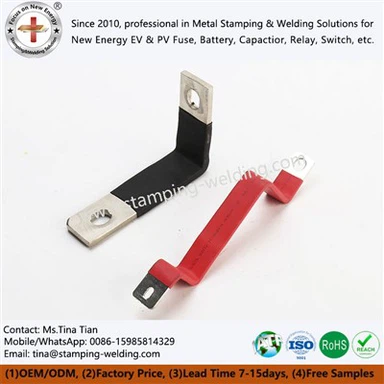
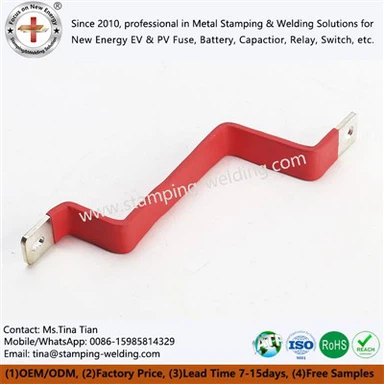
Tin-Plated Insulated Bus Bar: Enhancing Electrical Performance And Safety
Jun 03, 2025
Introduction to Tin-Plated Insulated Bus Bars
Tin-Plated Insulated Bus Bars are specialized components used in electrical systems to conduct and distribute high currents efficiently while ensuring safety through insulation. These bus bars are made from a base metal, typically copper or aluminum, which is then coated with a thin layer of tin. The tin plating serves multiple purposes, including improving corrosion resistance, enhancing solderability, and providing a smooth, conductive surface. The insulation layer on the bus bar further ensures electrical isolation, preventing short circuits and other potential hazards.

Benefits of Tin Plating on Bus Bars
Corrosion Resistance
Tin provides a protective barrier against oxidation and corrosion, which can degrade the performance of the base metal over time.
01
Improved Solderability
Tin is highly solderable, making it easier to create secure and reliable connections during assembly.
02
Enhanced Conductivity
While the tin layer is thin, it maintains the underlying metal's excellent electrical conductivity, ensuring efficient power transfer.
03
Cost-Effectiveness
Tin is relatively inexpensive compared to other plating options, making it a cost-effective solution without compromising performance.
04
Insulation on Bus Bars
The insulation layer on tin-plated bus bars offers several advantages:
1,Safety:
It prevents accidental contact with live parts, reducing the risk of electric shock and other electrical accidents.
2,Reliability:
Insulation helps maintain the integrity of the electrical connections, ensuring consistent performance over time.
3,Durability:
The insulation layer can protect the bus bar from mechanical damage and environmental factors, extending its service life.
4,Versatility:
Insulated bus bars can be used in a wide range of applications, including those with space constraints or where traditional wiring is not practical.
Applications of Tin-Plated Insulated Bus Bars
Industrial Power Distribution
Used in switchgear panels and motor control centers to distribute power efficiently and safely.
01
Renewable Energy Systems
Employed in solar and wind power installations to connect inverters and transformers.
02
Electric Vehicles (EVs)
Utilized in EVs to connect the high-voltage battery pack to the electric motor and other critical components.
03
Data Centers
Installed in data centers to provide reliable power connections between servers, switches, and other equipment.
04
Manufacturing Process
The manufacturing process of tin-plated insulated bus bars involves several key steps:
| Base Metal Selection |
High-purity copper or aluminum is chosen for its excellent electrical conductivity and mechanical properties. |
| Tinning Process | The base metal is coated with a thin layer of tin using electroplating or hot-dip tinning methods. |
| Insulation Application | After tinning, the bus bar is covered with an insulating material, which can be a plastic coating, enamel, or other insulating compounds. |
| Fabrication | The insulated bus bar is then shaped into the desired configuration, which may involve cutting, bending, or forming operations. |
| Quality Control | The finished bus bar is inspected for uniformity of the tin coating and insulation, as well as electrical conductivity and mechanical strength. |

Maintenance and Inspection
To ensure the continued performance of tin-plated insulated bus bars, regular maintenance and inspection are essential:
1, Visual Inspection:
Check for signs of wear, damage, or corrosion on the tin plating and insulation.
2, Electrical Testing:
Use a multimeter to check for continuity and ensure that the bus bar is providing a reliable electrical connection.
3, Cleaning:
Remove dust and debris that may affect the performance of the bus bar, particularly in areas where the insulation is exposed.
4, Replacement:
If the insulation is damaged or shows signs of degradation, the bus bar should be replaced to prevent potential electrical hazards.
Conclusion
Tin-Plated Insulated Bus Bars are crucial components in modern electrical systems, providing efficient power distribution and enhanced safety through insulation. Their combination of high conductivity, durability, and cost-effectiveness makes them ideal for a wide range of applications. As technology continues to advance, tin-plated insulated bus bars will remain a critical component in supporting efficient and reliable power solutions.

contact us