Analysis of the safety and industry application of Electrical Brass Press Parts For Switch Socket
May 07, 2026
Material properties and electrical properties
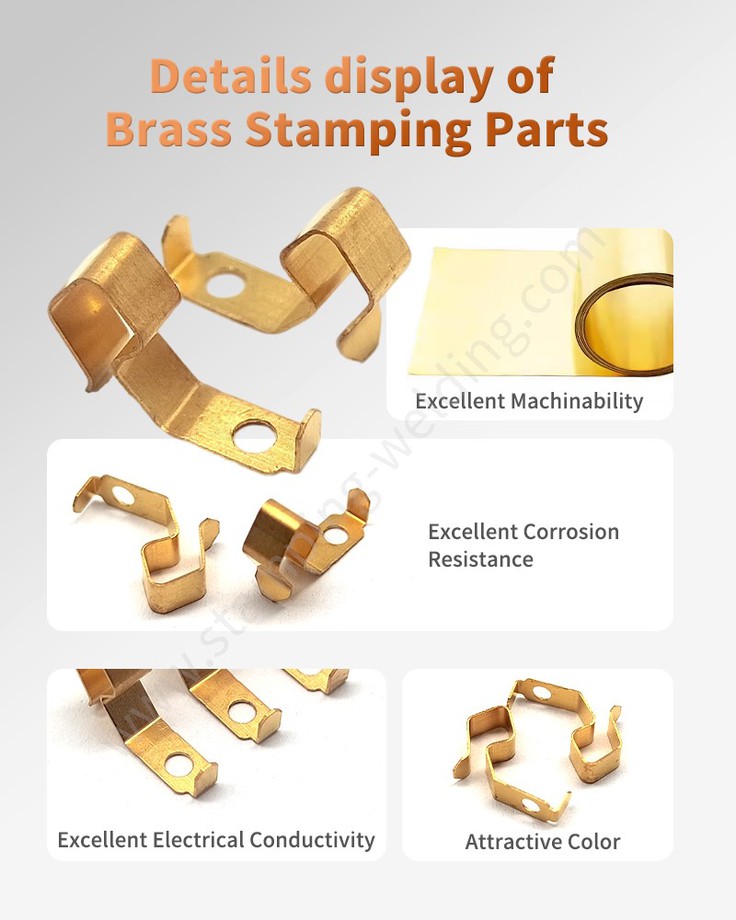
The core material of the brass switch is copper-zinc alloy. This material has excellent electrical and thermal conductivity and can effectively conduct operating current and quickly dissipate the heat generated during the opening and closing process of the contacts. In electrical switching applications, the corrosion resistance and wear resistance of brass materials are particularly critical to ensure that the contacts maintain stable contact resistance under frequent operating conditions. In addition, brass has good cold working properties and can achieve mass manufacturing of complex geometric structures through precision stamping to meet the requirements for dimensional accuracy and surface quality of switch components.
From the perspective of electrical safety, the design of Brass Sheet Metal Parts Terminal needs to comprehensively consider current carrying capacity, temperature rise limit and insulation coordination. Although the conductive properties of brass are beneficial to reducing contact resistance, it also means that it may withstand higher short-circuit current under fault conditions. Therefore, the structural design must reserve sufficient electrical clearance and creepage distance.
Structural design and safety mechanism
The typical structure of a brass switch includes a conductive circuit, contact system, operating mechanism and insulating support. Among them, the contact system is the core functional component, and its design directly determines the electrical life and safety margin of the switch. Modern brass switches generally adopt double-breakpoint or bridge contact structures, which increase the arc extinguishing capability and reduce the risk of contact ablation by increasing the contact breaking distance.
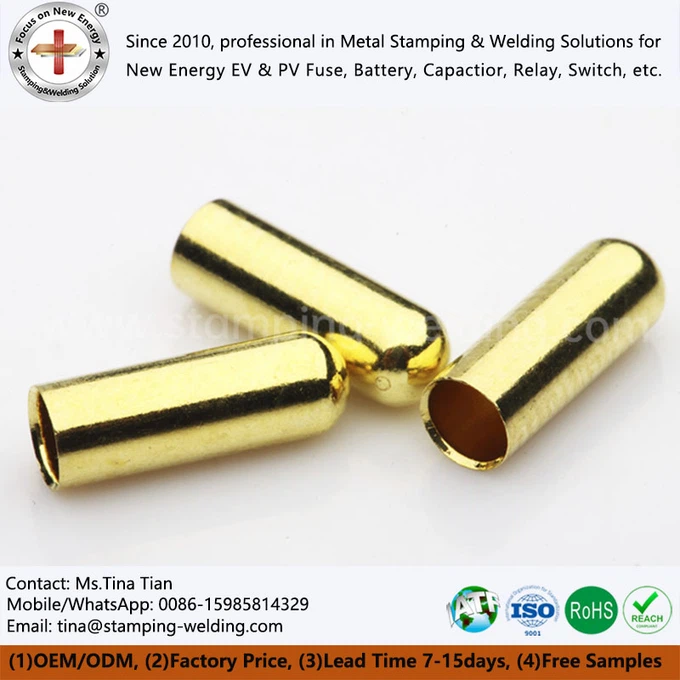
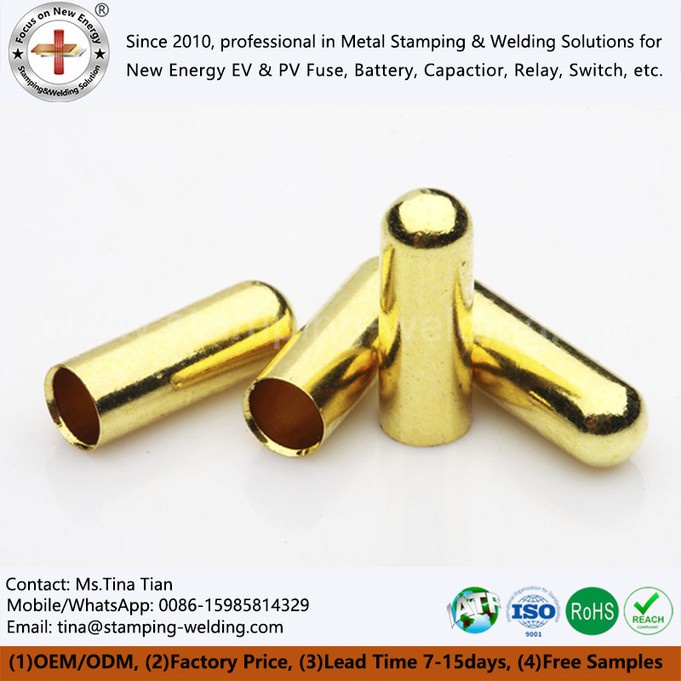
In terms of anti-leakage design, connecting components such as Relay Pin Brass Terminal are usually equipped with insulating isolation plates and protective sleeves to form multiple insulation barriers. The switch base is made of flame-retardant engineering plastics or ceramic materials to ensure that the structural integrity is maintained in the event of overload or short-circuit failure. In some high-reliability application scenarios, the contact surface will be plated, such as the Silver Plated Brass Terminal process, which can significantly improve arc erosion resistance and oxidation resistance while maintaining the conductivity of the base material.
Key factors affecting safety performance
The safety and reliability of brass switches are restricted by multiple factors, including the following: Design rationality is the fundamental guarantee of safety. The rated current, rated voltage, usage category and other parameters of the switch must match the target application scenario. Brass Contact Plug Pin for Electric Switch Socket Parts The mechanical parameters such as plugging force, contact pressure and holding force must be strictly calculated and verified to avoid local overheating due to poor contact.
Service life management directly affects the safety status. There is a significant difference between the mechanical life and the electrical life of the switch. The mechanical life usually reaches tens of thousands of times, while the electrical life is greatly affected by the load type and current level. The on-off operation under inductive load or capacitive load will produce high operating overvoltage and arc energy, which will accelerate the loss of contact material. It is recommended to establish a regular testing mechanism and conduct contact resistance testing and appearance inspection on switches with high frequency of use.
Electrical safety protection measures need to be implemented throughout the entire life cycle. During the installation phase, wiring specifications should be strictly followed to ensure reliable crimping of wires and complete insulation restoration. During the operation stage, attention should be paid to the impact of ambient temperature, humidity, dust and corrosive gases on insulation performance. Connection parts such as Brass Contacts Crimp Terminal Block Assembly For Socket Switch should be regularly checked for tightening status to prevent loosening due to vibration or thermal cycles.
Installation, usage specifications
To ensure the safe operation of brass switches, the following technical specifications should be followed in engineering applications: During the product selection stage, it must be confirmed that the switch complies with relevant national standards or industry standards and has a complete type test report. During the installation and construction stage, the power phase sequence and switch pole configuration should be checked, and overloading is strictly prohibited. For switch components composed of Brass Metal Stamping Parts Electrical Accessories Components, it is necessary to pay attention to whether the stamping burrs are completely removed to avoid the risk of tip discharge or insulation breakdown.
contact us
If you are looking for a stable, safe and international standard Electrical Brass Press Parts For Switch Socket partner, please contact us and we will provide you with professional technical support and customized services.