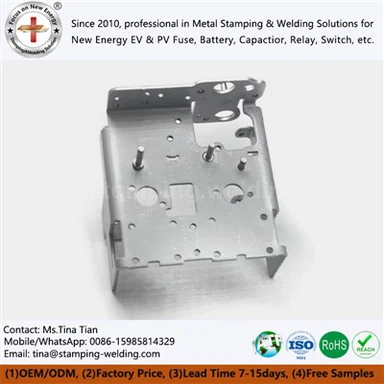
Automotive Busbar: A core power distribution component of new energy vehicle electrical systems
Mar 07, 2026
In the current context of rapid iteration in the new energy vehicle industry and continuous upgrades to the vehicle's electrical architecture, the Automotive Busbar, as a core component for high-voltage, high-current transmission, is gradually replacing traditional wiring harnesses as the mainstream choice in the industry, and has become a key support for promoting vehicle lightweighting, efficiency, and safety. For industry practitioners and upstream and downstream partners in the supply chain, a clear understanding of the core definition, technological advantages, and application scenarios of the Automotive Bar is an important prerequisite for grasping the development trend of electrical components in new energy vehicles.
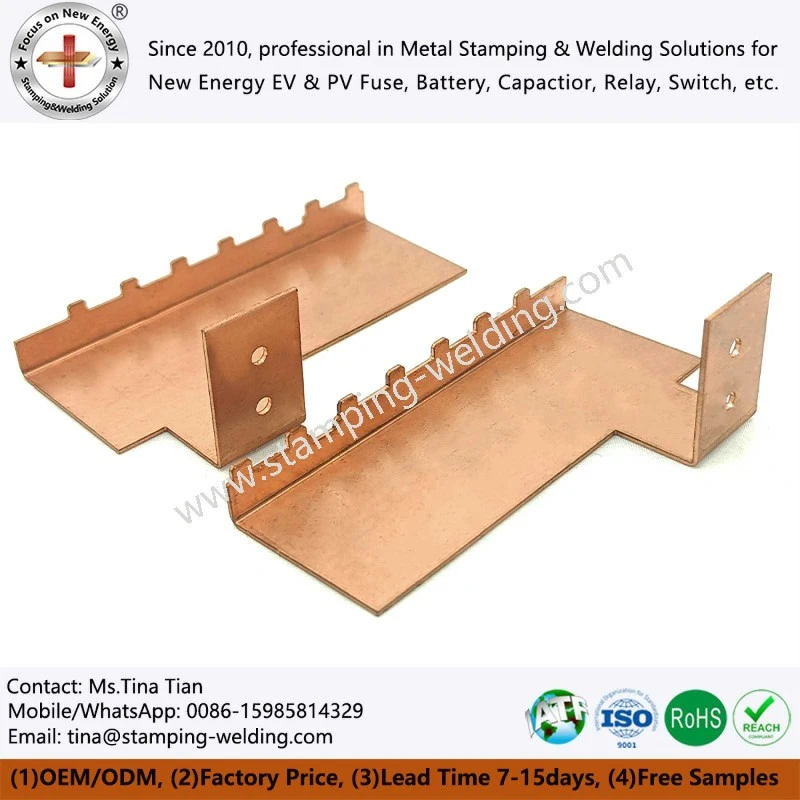
Core advantages compared to traditional wire harnesses
Compared to traditional round cables, the technological advantages of automotive busbars are particularly prominent in the field of new energy vehicles, which is the core reason for their rapid popularization. In terms of space optimization, the flat and rigid design of the bar is narrower and thinner than traditional cables, which can significantly reduce the space occupied by the vehicle's electrical layout and effectively alleviate the problem of limited space in the engine compartment and battery pack of new energy vehicles. In terms of current carrying capacity, the bar has a stronger current carrying capacity for the same cross-sectional area, while its heat dissipation efficiency is greatly improved. It can adapt to the power demand of high-voltage fast charging and high-power drive of new energy vehicles, and meet the high-load operation requirements of scenarios such as Copper Busbar for Electric Vehicle Capacitors.
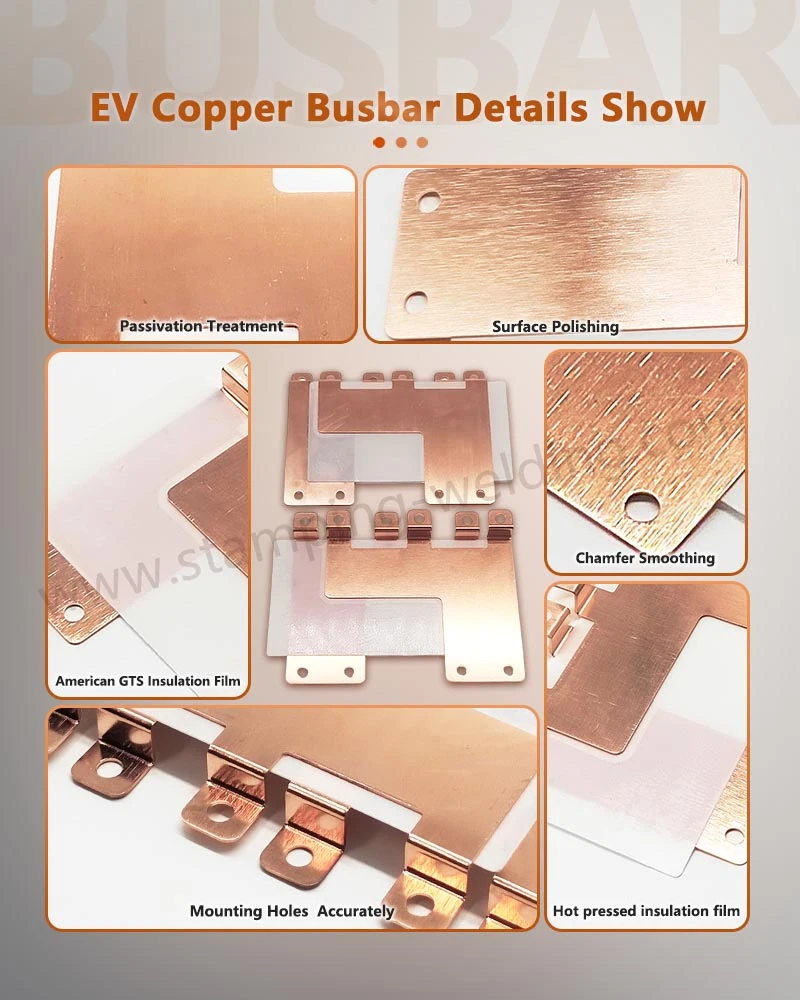
Core applications: Power battery and motor control unit
From an industry application perspective, automotive busbars have covered the core components of high-voltage electrical systems in new energy vehicles, becoming an indispensable key component. Inside the power battery pack, the bar is mainly used for stable connection between cells and modules, ensuring uniform transmission of charging and discharging current. In the motor control and inverter unit, dedicated bars such as EV Capacitor and Film Capacitor Busbar for HEV / EV Motor Control Unit undertake the task of transmitting large currents during the DC-AC conversion process, while Copper Busbar for DC link EV Film Capacitor precisely adapts to the power connection requirements of DC link film capacitors.
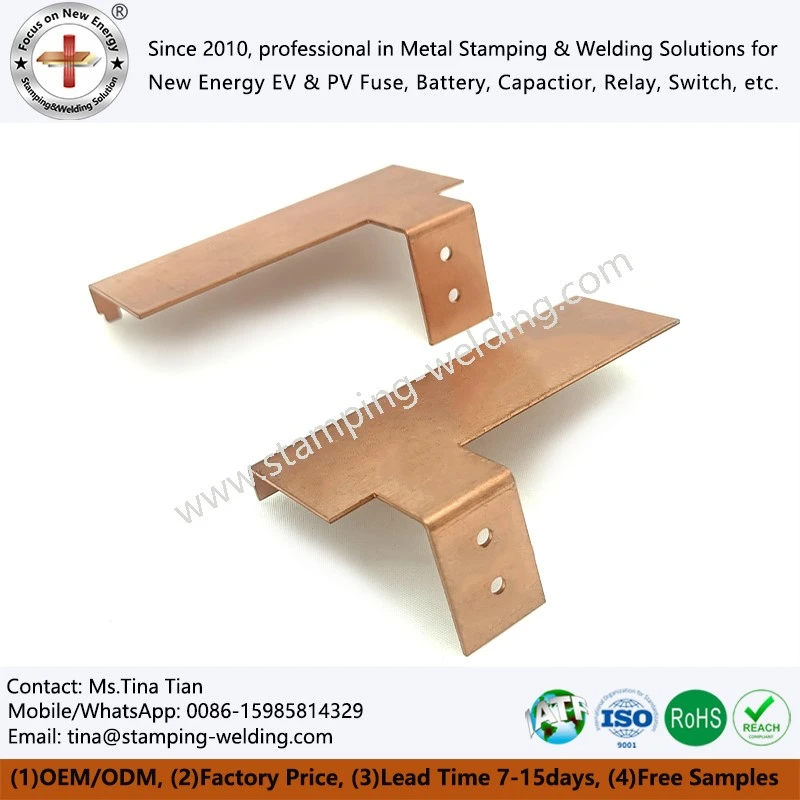
Development Trends: Busbar Technology Iteration Direction
Industry development trends show that with the popularization of high-voltage platforms for new energy vehicles and the continuous upgrading of on-board power electronic equipment, the requirements for the conductivity, insulation protection, lightweighting and integration of bars are constantly increasing. Whether it is various special copper busbars adapted to capacitor units, or general-purpose insulated bars and battery terminal bars, they will all iterate towards high precision, high reliability and low cost, becoming one of the core components driving the optimization and upgrading of the electrical system of new energy vehicles.
contact us
If you need to know the product parameters, customized solutions, or industry adaptation details of various special Automotive Busbar, please feel free to contact us for professional technical support and one-stop solutions, and work together to develop the core electrical components of new energy vehicles.