Clarify Lithium solar batteries structural components in one article
Apr 10, 2026
Overview of Lithium solar batteries structural components
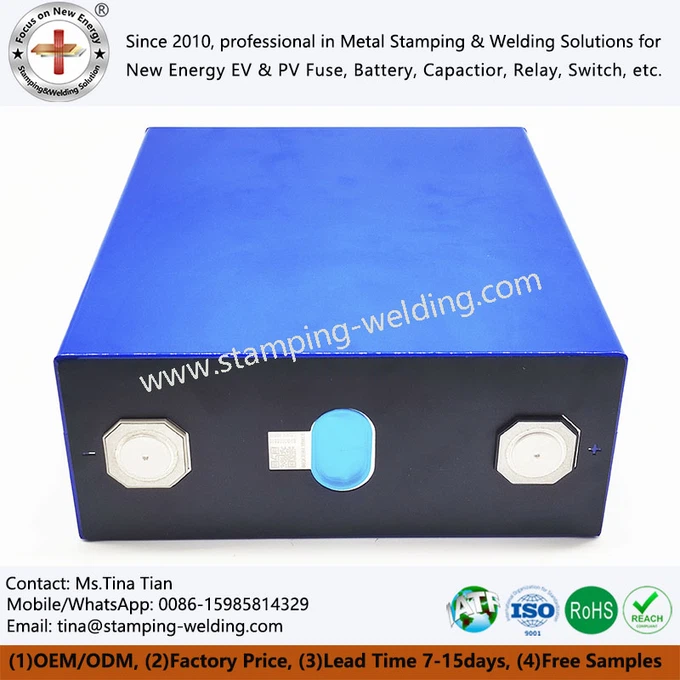
Power battery cell structural components are the core safety components of batteries, accounting for 8% -11% of the five major raw material costs of batteries. Broadly speaking, it includes components such as top cover, soft connection, and outer shell. Narrowly speaking, it mainly refers to the shell and top cover, which undertake functions such as energy transmission, electrolyte carrying, and safety protection, directly affecting the energy density, sealing, and safety of lithium batteries. According to product form, lithium battery structural components can be divided into three categories: square, cylindrical, and soft pack. Among them, square structural components dominate the market, accounting for over 90%.
Driven by the demand for new energy vehicles, energy storage, and consumer electronics, the global market for Lithium-ion batteries structural components has steadily grown. As a major producer of lithium ion batteries, China holds over 70% of the global market share, and the industry as a whole maintains a rapid development trend.
Composition of Lithium solar batteries structural components industry chain
China has formed a complete Lifepo4 power cell structural component industry chain, covering the entire process of upstream raw materials, midstream processing and manufacturing, and downstream applications. Upstream, steel, aluminum, copper, plastic, and various functional materials are mainly used to provide basic raw materials for the production of structural components; Downstream, relying on the rapid development of new energy vehicles, energy storage systems, consumer electronics, and other fields, continues to drive an increase in demand for structural components. The coordinated support of various links in the industrial chain provides strong support for the large-scale and standardized production of Lithium superpack batteries structural components.
Types and functional roles of core structural components
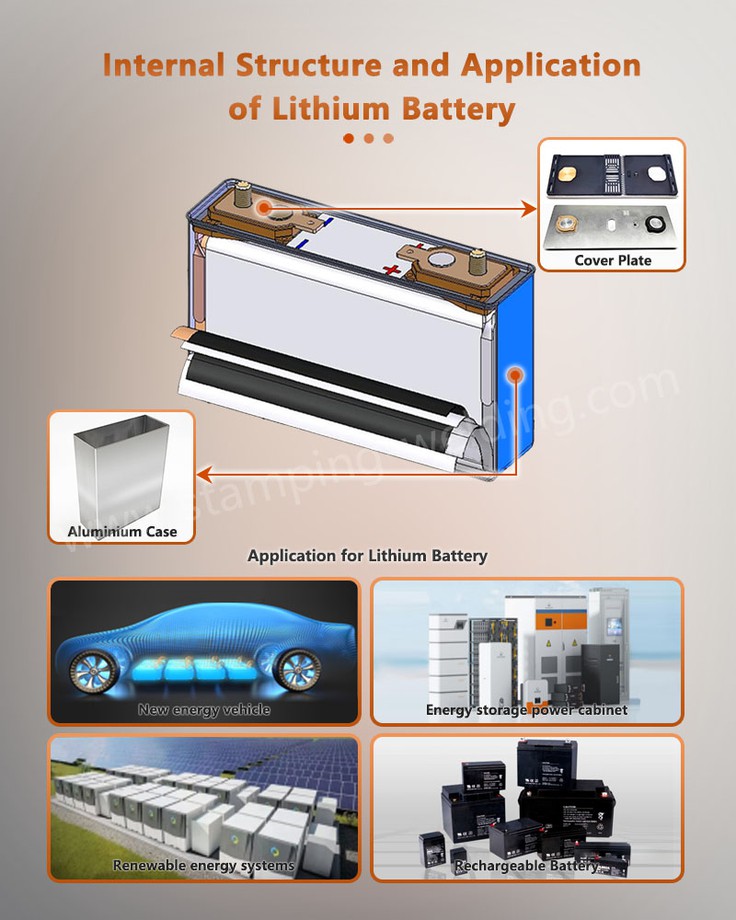
The core structural components of Solar energy storage systems lithium batteries pack mainly include the shell, cover plate, and module connecting piece, each of which undertakes key functions. As a long-term barrier between the battery cell and the outside world, the shell has the functions of fixation, protection, sealing, and heat dissipation. The production process is based on precision continuous stretching, and the difficulty lies in the uniform control of wall thickness. The technical barriers are concentrated in molds and stretching equipment.
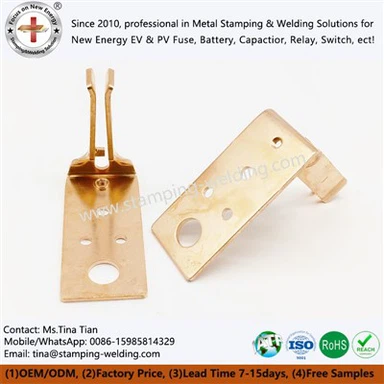
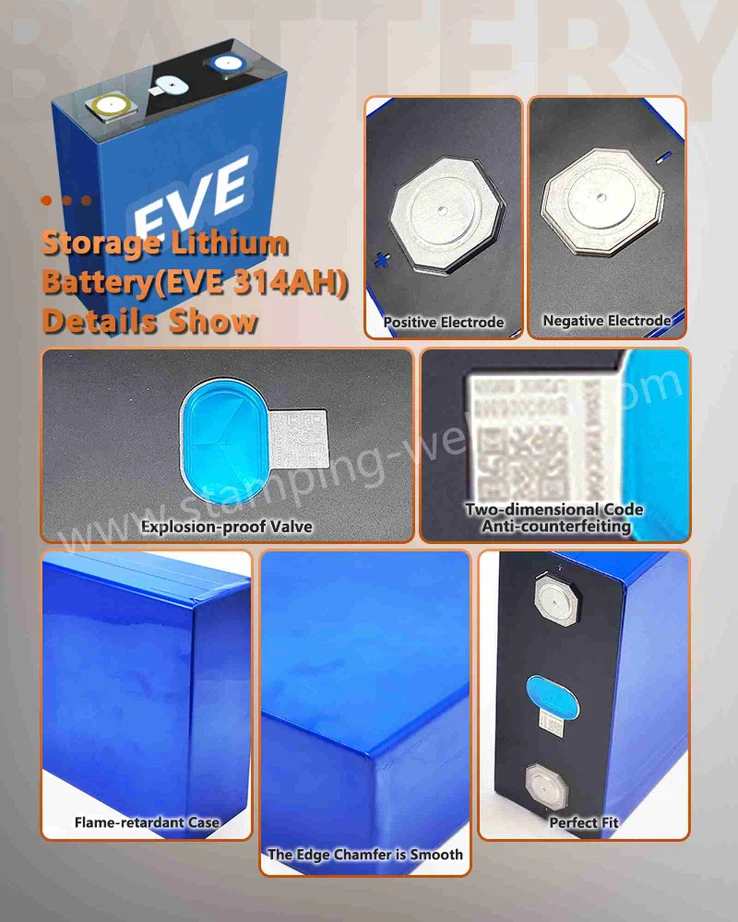
The cover plate integrates connection, insulation, sealing, and explosion-proof functions, consisting of steel caps, sealing rings, explosion-proof components, poles, etc., which can achieve safety functions such as overvoltage relief and short circuit protection. Different chemical system batteries are also equipped with explosion-proof valves or flip plate designs, making their production process more complex, with stamping and welding as key processes.
Module connectors are mainly used for electrical connections in Lithium battery pack groups. They are often made of multi-layer composite materials and some have flexible structures to compensate for cell expansion. Nickel plated copper foil is commonly used to improve welding performance. Common types include nickel sheets, copper aluminum composite bars, and various soft connection components.
Production process and industry characteristics of structural components
The production of shells mainly involves cutting, stretching, cleaning, drying, and testing. The precision continuous stretching process determines the accuracy and consistency of the Lithium-ion battery pack. The production process of the cover plate is longer, including multiple processes such as punching, injection molding, gluing, welding, and testing. It needs to pass multiple strict tests such as explosion-proof pressure, helium tightness, and internal resistance. The level of automation and process yield directly affect the overall production efficiency. The module connector focuses on material matching and surface treatment, ensuring conductivity while also considering welding reliability and structural adaptability. Overall, the manufacturing of Battery pack kit structural components requires both precision machining and safety control, making it a technology and process intensive link in the lithium battery industry chain.

Contact us
If you have any needs related to the research and development, selection, or customized production of Lithium solar batteries structural components, please feel free to communicate and consult with us at any time. We can provide professional technical solutions and product support, and look forward to practical cooperation with you.