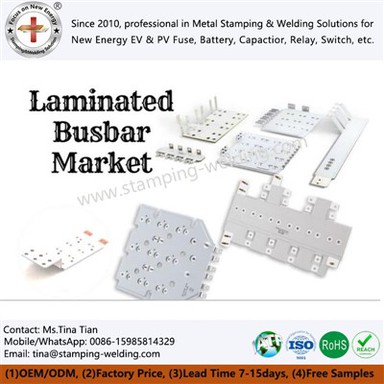
Copper foil bus bar: principle, advantages, and application analysis
Apr 09, 2026
What is Copper foil bus bar?
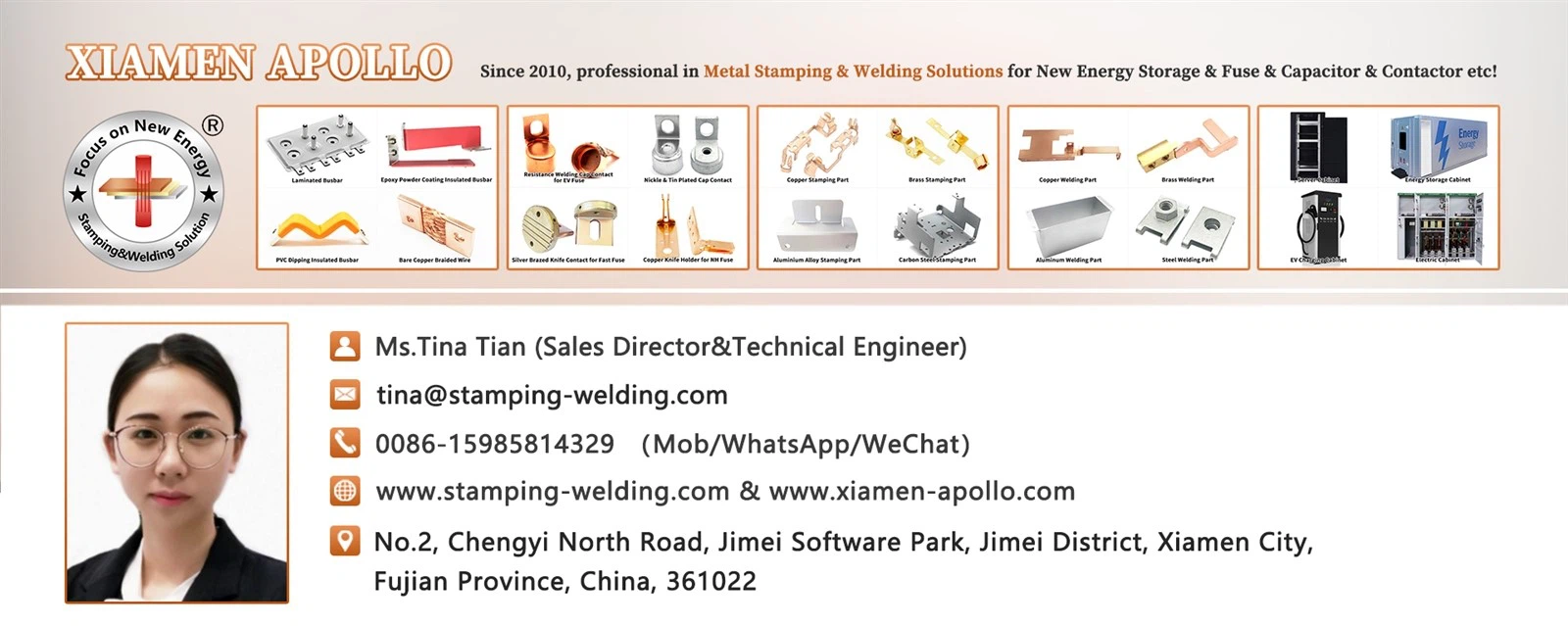
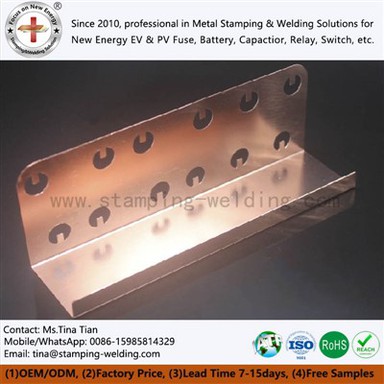
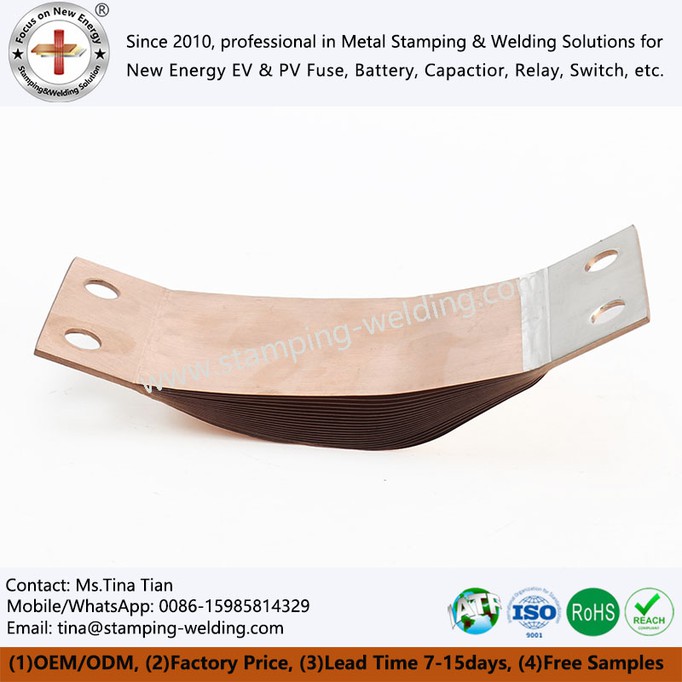
Automotive copper busbar is a welding method that electrically connects thin copper foil with other materials. The core principle is to use high temperature heating to cause atomic diffusion between the contact surface of copper foil and another material, thereby forming a strong and reliable conductive connection. This process does not require the use of solder, avoiding issues such as solder splatter, flux residue, and toxic gas release that may occur in traditional soldering. It is particularly suitable for electronic manufacturing fields that require high conductivity, cleanliness, and reliability.
The main advantages of diffusion welding
Copper foil bus bar has multiple engineering advantages that make it stand out in conductive connection solutions: excellent conductivity - copper itself has extremely low electrical resistivity, and the connection interface formed by diffusion welding is unobstructed by solder, which can achieve conductivity close to the base material itself; High temperature stability - the welding interface is not easily oxidized or melted in high temperature environments, suitable for high current and high temperature working conditions; High welding strength - the connection layer formed by atomic diffusion has high bonding strength, excellent tensile and vibration resistance, and is not easily broken; Environmental protection and safety - no need to use solder containing lead or other harmful substances, the welding process does not produce toxic gases or waste, and meets the requirements of green manufacturing.
Main application areas
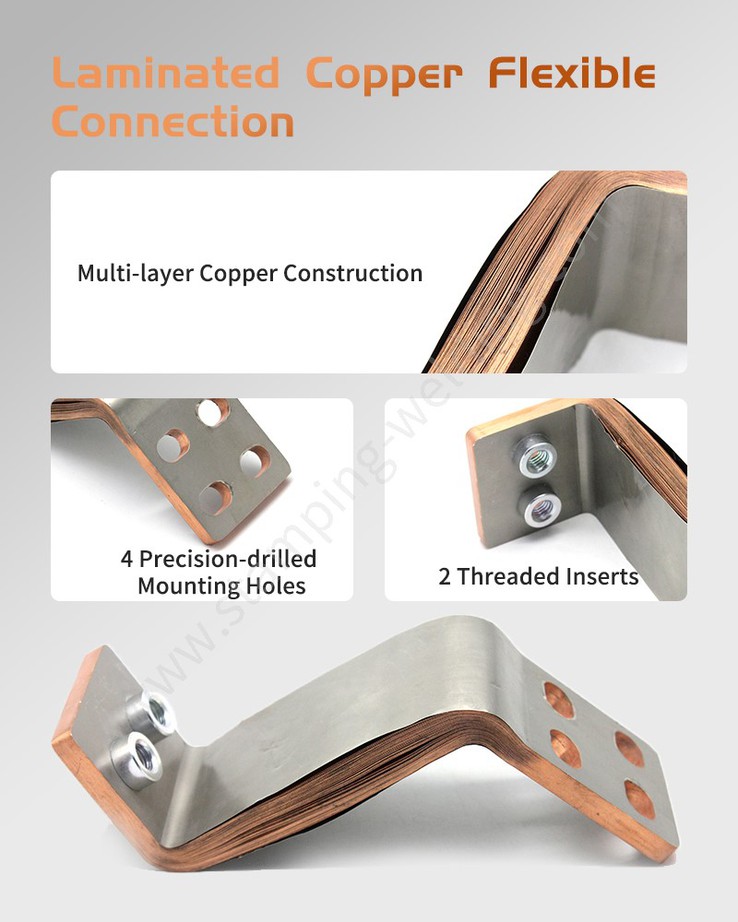
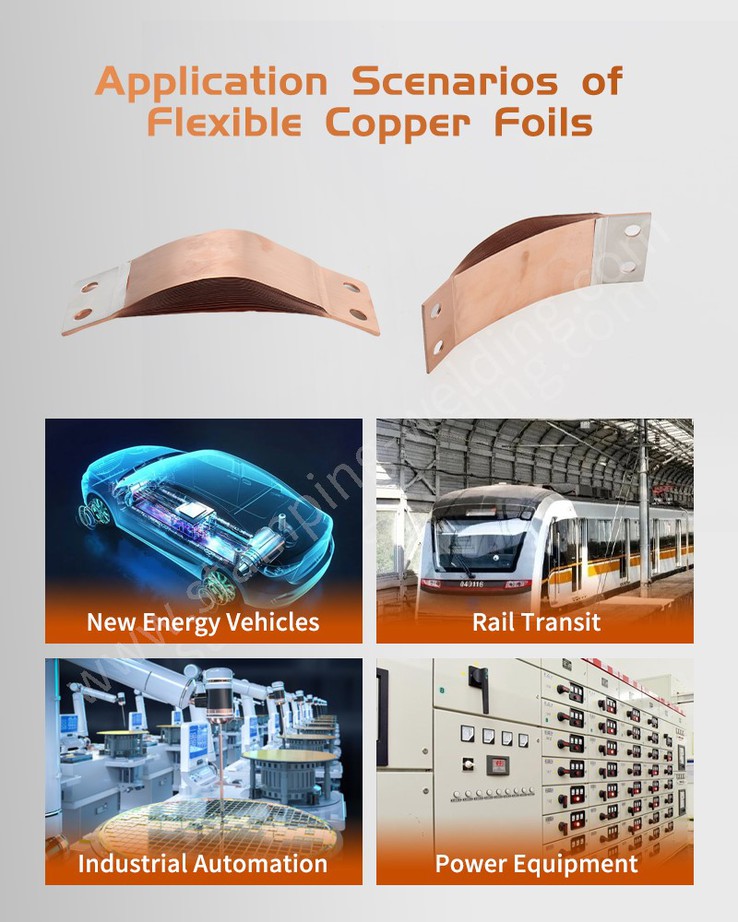
Press shielded Flexible copper connections play a critical role in multiple industries, with typical applications including: electronic devices - used for conductive interconnects of components such as circuit boards, chip packaging, displays, etc., meeting high-density and high reliability requirements; Solar panels - used in the manufacturing of photovoltaic modules to connect solar cells with conductive paths, ensuring long-term stability for outdoor use; Automotive batteries - Multilayer copper foils flexible busbars are widely used for soft connections between battery modules in new energy vehicles, adapting to vibration environments and carrying high currents; Other industries, including aerospace, communication equipment, energy storage systems, etc., have strict requirements for conductive connections.
Typical process flow
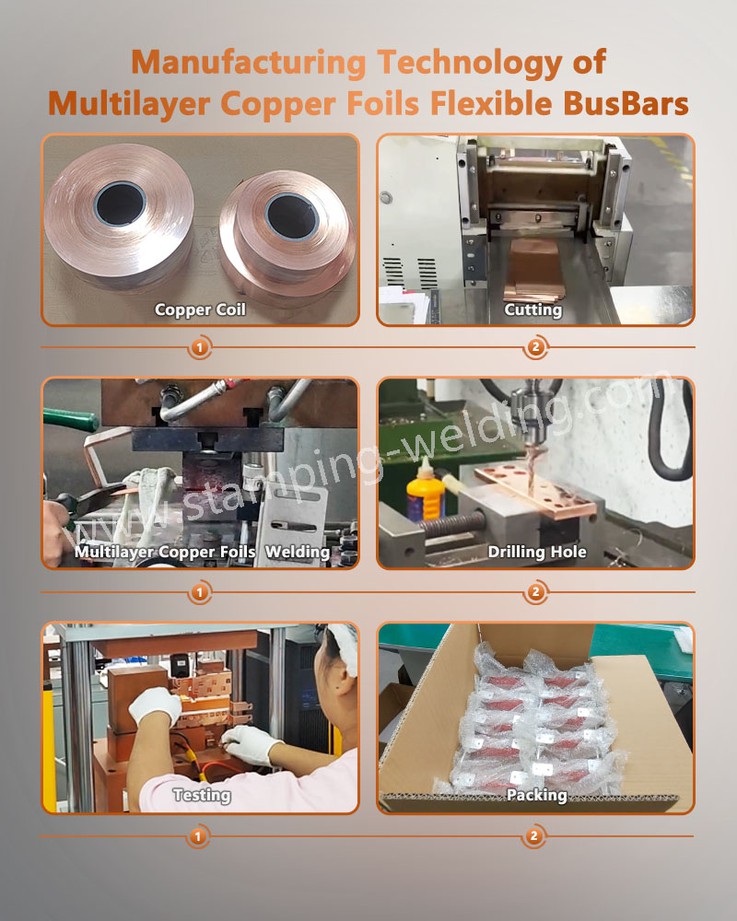
The process flow of Flexible copper busbar mainly includes the following three steps: Step 1, preparing materials - selecting appropriate specifications of copper foil and materials to be connected, ensuring that the contact surface is clean, free of oxides and oil stains, and cleaning or surface treatment if necessary;
Step 2, heating treatment - After stacking copper foil with another material, place it in a high-temperature furnace and heat it at a set temperature and time to promote interdiffusion of atoms at the contact surface. The specific temperature and time need to be adjusted according to the type and thickness of the material;
The Step 3 is cooling and solidification - after being removed from the high-temperature furnace, it is quickly cooled to form a stable metallurgical bond at the welding interface, thereby obtaining a firm and low resistance solder joint.
Contact us
If you have any technical questions about the process selection or product customization of Copper foil bus bar, please feel free to contact us at any time for professional support and free sample verification.