How to choose the appropriate Electrical copper bus bar for your project
Mar 07, 2026
Electrical parameter matching: the core consideration of current and voltage
The primary prerequisite for selecting an Electrical copper bus bar is to accurately match the electrical load requirements of the project. Firstly, it is necessary to calculate the peak current of the project, including the maximum current when the equipment is operating at full load. The selected busbar rated current should reserve sufficient margin to avoid faults such as overheating and power outages caused by long-term overload.
At the same time, it is necessary to confirm the compatibility of the bus voltage. Busbar electrical is more suitable for medium and high voltage industrial systems, while in low voltage scenarios, it is important to verify the bus voltage tolerance to ensure stable distribution. In addition, it is necessary to reserve space for future load growth by selecting busbars with a capacity higher than current demand, which can avoid premature equipment replacement and reduce long-term operation and maintenance costs.

Material selection: adapted to the environmental characteristics of the project
Material selection should be closely integrated with the project operating environment, and Electrical copper bus bar is the preferred solution for most scenarios. In humid and highly corrosive outdoor power plants, coastal facilities, and other environments, the rust and moisture resistance of copper busbars can maintain stable conductivity and resist harsh environmental erosion.
In high-temperature factory workshops and other scenarios, the excellent heat dissipation capability of Electrical bus bars can effectively suppress overheating and is more stable compared to aluminum materials. Only in dry, low load small office scenarios, alternative materials can be considered, but copper busbars are still the mainstream choice for long-term reliability and low maintenance requirements.

Mechanical and installation characteristics: ensuring the efficiency of project implementation
Mechanical strength and installation convenience are key practical dimensions for selecting Copper solid bus bars. For scenarios with frequent vibrations such as near generators and industrial equipment areas, it is necessary to use busbars with sufficient thickness and strong rigidity to avoid bending or loose connections caused by long-term vibration.
Prioritizing pre drilled and modular designed Power busbars can significantly improve installation efficiency and reduce labor costs, especially suitable for large-scale projects with tight schedules. At the same time, it is necessary to confirm the compatibility between the busbar and existing components such as circuit breakers and connectors, verify the size and connection type, and ensure seamless integration with the existing distribution system of the project.
Scenario adaptation: catering to the application needs of different industries
There are significant differences in the emphasis on the performance of Power bar busbars in different application scenarios, and targeted selection is needed. In renewable energy scenarios such as solar photovoltaic power plants, copper busbars can efficiently handle the high current generated by photovoltaic modules and adapt to intermittent power generation characteristics.
In data center scenarios, low resistance Industrial busbar ensure stable power supply to servers and reduce the impact of voltage fluctuations on equipment.
In the scenario of electric vehicle charging stations, solid copper busbars can withstand frequent charging and discharging surges, meeting the reliability requirements for high-power charging.
Residential buildings are more suitable for compact busbars to achieve safe distribution of household electricity in limited spaces.

contact us
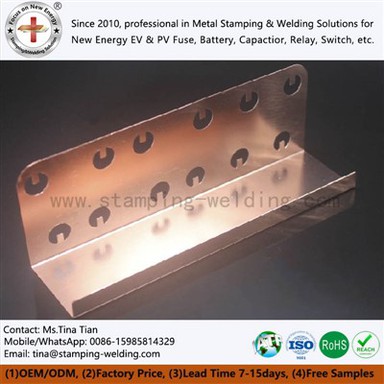
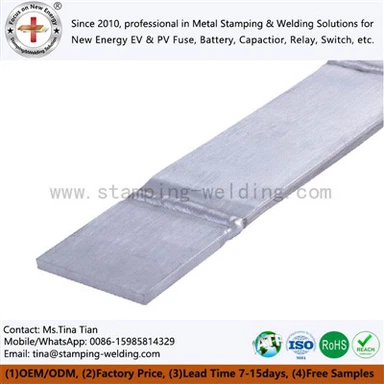
Xiamen Apollo provides a range of high-quality busbars for various projects. Our Electrical copper bus bar is made of 99.9% pure copper, with a conductivity of % IACS ≥ 97, a hardness of 80~110HV, and a tensile strength of 245-345MPa. Other materials such as aluminum alloy can also be customized. If you have any orders for copper busbar, please feel free to contact us.