


How to Optimize and Enhance the Durability of Aluminum Photovoltaic Bracket Accessories
Sep 17, 2026
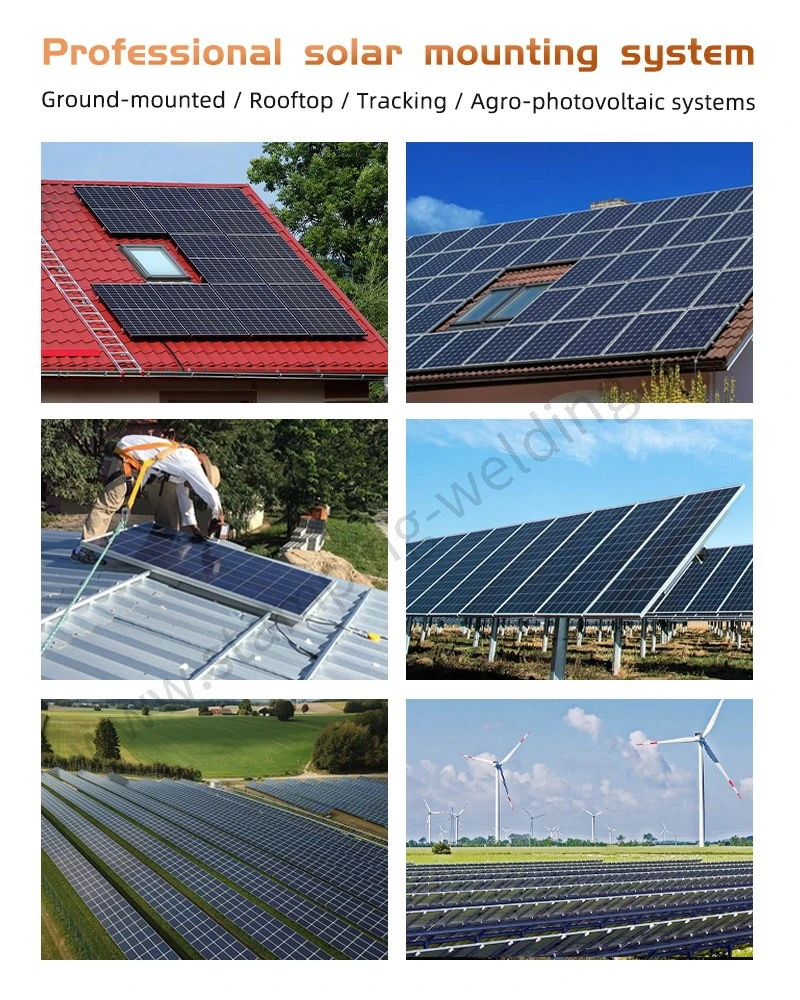
With the rapid global expansion of the new energy industry, solar photovoltaic (PV) systems are being deployed across an increasing range of applications, including residential rooftops, commercial buildings, industrial facilities, and large-scale ground-mounted power plants.
Within a solar PV system, the mounting structure plays a critical role in securing solar modules, withstanding environmental factors, and ensuring long-term, stable operation. While solar panels often garner the most attention, the material properties of mounting structures-including brackets, clamps, connectors, rails, and other installation hardware-directly influence the reliability and service life of the entire system. Among the various metals available, aluminum photovoltaic bracket accessories have emerged as one of the most widely used materials for solar PV mounting components. Thanks to its lightweight nature, high corrosion resistance, robust mechanical properties, and excellent workability, aluminum alloy effectively meets the rigorous demands of long-term outdoor operation.
For manufacturers and engineering clients sourcing aluminum PV mounting accessories, selecting the right aluminum alloy is a key factor in extending product lifespan, reducing maintenance costs, and enhancing system reliability.
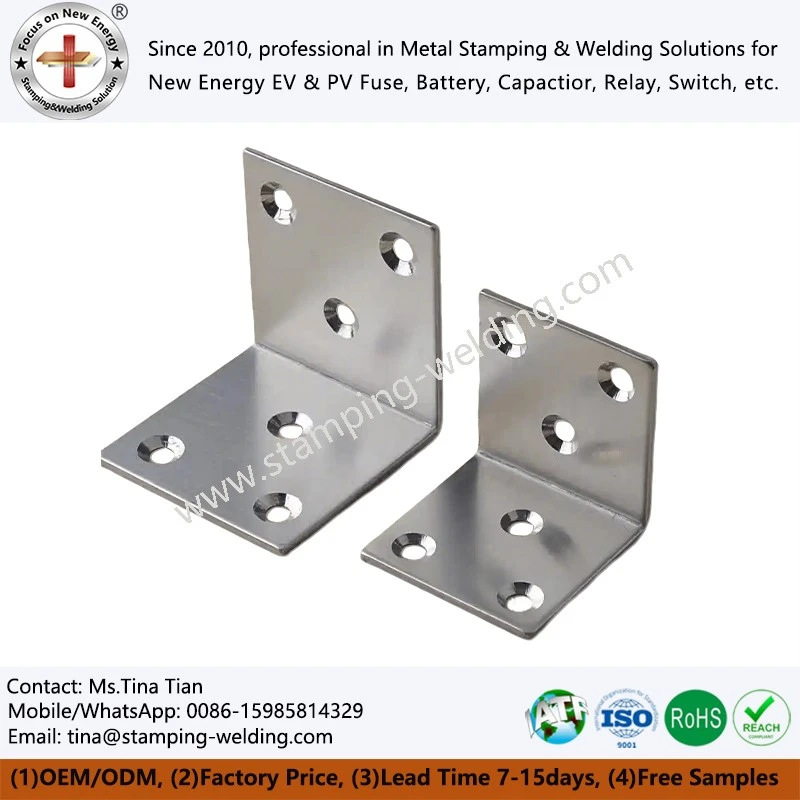
Why are aluminum alloys widely used in solar PV mounting systems?
Aluminum mounting brackets typically operate outdoors for over 20 years; therefore, the mounting structures and accessories must withstand various harsh environmental conditions over the long term, including rain and high humidity, prolonged UV exposure, diurnal temperature fluctuations, strong wind loads, snow and ice pressure, and coastal salt spray corrosion. While traditional steel offers high strength, it usually requires additional protective measures-such as galvanizing or coating-to enhance corrosion resistance. In contrast, aluminum alloys possess inherent oxidation-resistant properties; upon exposure to air, they form a dense oxide layer that effectively inhibits further oxidation and improves durability in outdoor environments.
The use of aluminum alloys in PV mounting systems offers several key advantages:
1. Lightweight structure, reducing installation costs
One of the primary advantages of aluminum alloy is its low weight. With a density approximately one-third that of steel, using aluminum alloy for PV mounting components significantly reduces the overall structural weight. This leads to lower transportation costs, increased installation efficiency, reduced load-bearing stress on building roofs, and shorter construction periods.
This is particularly beneficial for rooftop PV projects, where lightweight aluminum alloy mounts minimize the additional load on the building structure while still meeting strength requirements.
2. Excellent corrosion resistance, extending outdoor service life
PV mounting systems generally require stable operation for 20 to 30 years or more, making material corrosion resistance crucial. When exposed to air, aluminum alloys naturally form a protective aluminum oxide layer. This layer prevents further oxidation, enhances weather resistance, mitigates corrosion risks, and extends the product's service life. Furthermore, surface treatment processes-such as anodizing, powder coating, and electrophoretic coating
can further enhance the resistance of aluminum alloy components to humid environments, marine salt spray, industrial pollution, and chemical corrosion. Consequently, aluminum alloy PV components are particularly well-suited for coastal PV projects, agrivoltaic systems, industrial rooftop PV installations, and large-scale solar power plants.
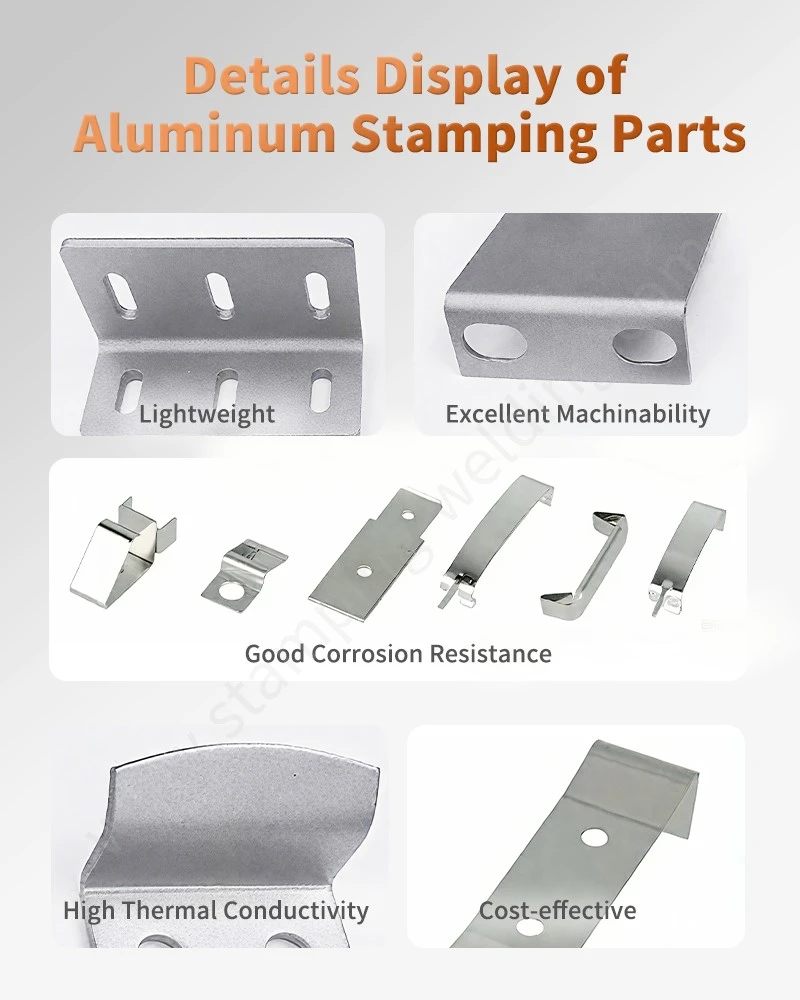
Common Aluminum Alloy Materials for PV Mounting Systems
Different photovoltaic (PV) modules have varying requirements regarding strength, weight, and processability; consequently, manufacturers select specific aluminum alloy grades based on the application scenario. Common materials in the PV industry include 6063-T5, 6005-T5, and 6061-T6 aluminum alloys. All belong to the 6000 series, utilizing magnesium (Mg) and silicon (Si) as alloying elements to enhance strength, corrosion resistance, and processability.
6063-T5 aluminum alloy offers excellent processability and surface quality, making it a common choice for PV profiles. Key characteristics include superior extrudability, a high-quality surface finish, good corrosion resistance, and suitability for anodizing. It is used for applications such as solar module frames, lightweight mounting structures, aluminum mounting profiles, and small PV accessories. Its primary advantage is excellent processability, making it ideal for mass-produced products that demand high standards for aesthetic quality and dimensional precision.
6005-T5 aluminum alloy is frequently used for PV structural components. Compared to 6063-T5, it offers higher mechanical strength, making it widely suitable for load-bearing PV structural components-such as solar rails, mounting racks, clamps, and connecting structures. While retaining benefits like light weight, corrosion resistance, and ease of processing, 6005-T5 provides superior load-bearing capacity. It is particularly well-suited for large-scale PV power plants, projects in high-wind areas, and high-load mounting systems.
6061-T6 aluminum alloy delivers superior strength. Its main advantages include high mechanical strength, good fatigue resistance, excellent processability, and good weldability. It is typically used for high-strength PV mounting racks, customized aluminum structural components, and precision-machined PV parts.
How does aluminum alloy extend the service life of PV mounting components?
Aluminum solar mid-clamps enhance resistance to environmental corrosion. Solar systems are often installed in challenging environments. For instance, in coastal areas, high airborne salt content accelerates metal corrosion; however, anodized aluminum alloy components effectively improve resistance to salt spray. In desert regions, high temperatures, intense UV radiation, and significant diurnal temperature fluctuations can affect material stability, yet aluminum alloys maintain relatively stable mechanical properties. Similarly, in industrial areas where air pollutants can cause corrosion, the protective oxide layer on aluminum alloys provides additional defense.
Aluminum alloy waterproof solar rails enhance structural stability and resistance to mechanical stress. Photovoltaic mounting systems must withstand wind and snow loads, the weight of the solar modules, and the effects of thermal expansion and contraction over the long term; consequently, material strength directly impacts system safety. Selecting the appropriate aluminum alloy minimizes deformation during prolonged use and improves overall system stability.
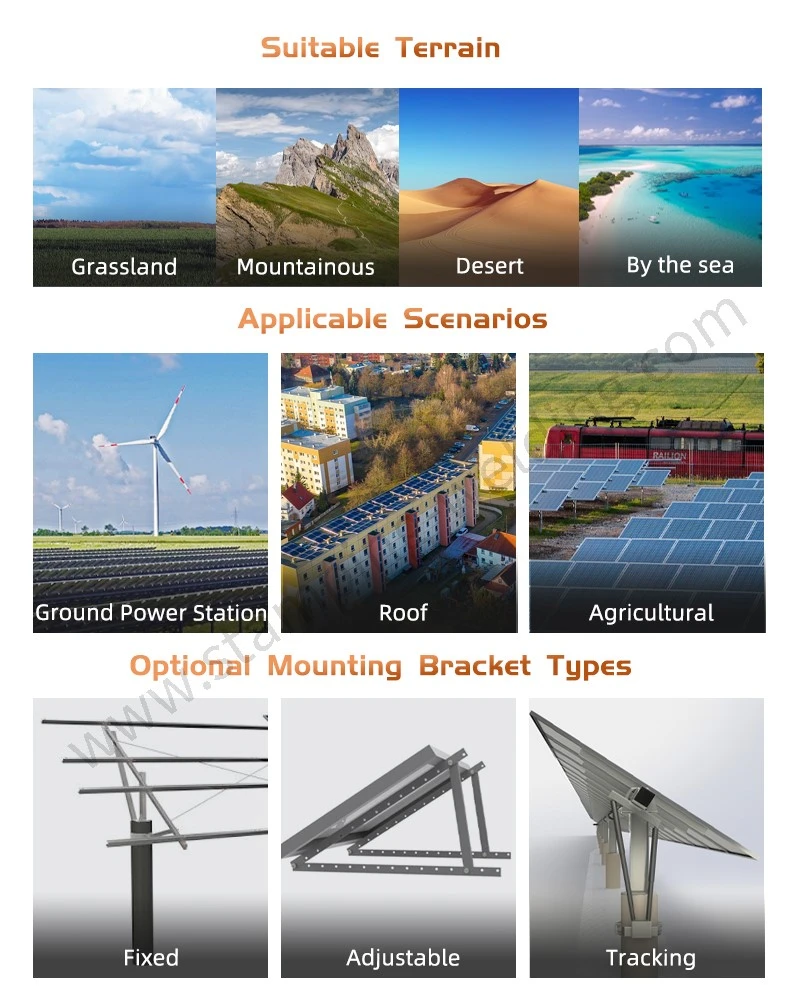
Common Surface Treatment Technologies for Photovoltaic Aluminum Alloy Modules
Although aluminum alloys possess inherent corrosion resistance, surface treatments are typically applied to meet requirements for extended service life.
The two primary methods are anodizing and powder coating. Anodizing is the most common surface treatment for photovoltaic aluminum components; it enhances corrosion resistance, surface hardness, and weatherability, thereby extending outdoor service life. It is generally used for PV mounting rails, aluminum clamps, and module frames. Powder coating, on the other hand, provides a more robust protective layer, superior UV resistance, a wide range of colors, and an enhanced aesthetic finish. It is particularly suitable for projects with stringent requirements regarding environmental protection and visual appearance.
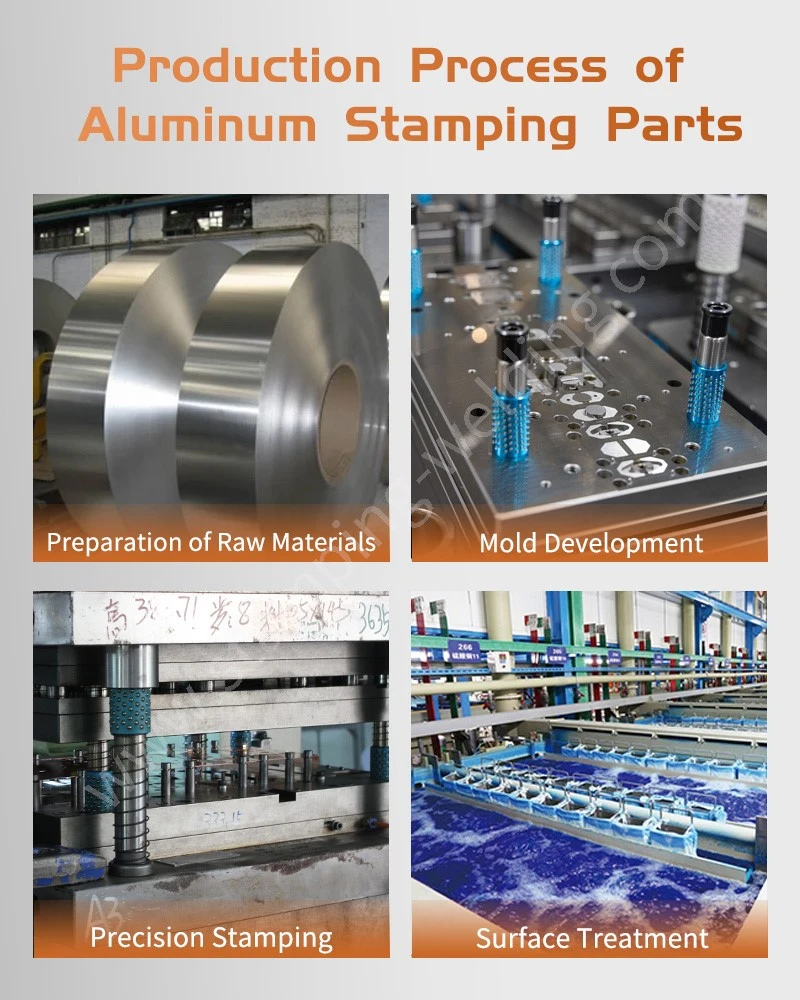
Application of Aluminum Alloy Stamped Parts in Solar Photovoltaic Systems
In addition to aluminum profiles, aluminum alloy stamped parts are a crucial component of the photovoltaic industry. Common products include mounting brackets, connecting plates, fixing clips, support pieces, and custom mounting accessories. Aluminum solar panel end clamps for PV mounting systems are primarily used in rooftop solar PV systems and utility-scale solar farms.
Compared to traditional processing methods, aluminum alloy stamping offers high production efficiency, making it ideal for the mass manufacturing of photovoltaic components. It ensures high dimensional consistency, guaranteeing precise assembly between different modules. Furthermore, it reduces manufacturing costs and is well-suited for standardized, large-scale production. For customers requiring customized photovoltaic parts, aluminum alloy stamping technology provides a highly efficient and reliable manufacturing solution.
For photovoltaic manufacturers, solar system integrators, and component purchasers, high-quality aluminum photovoltaic bracket accessories help products withstand demanding outdoor environments and support the sustainable growth of the global new energy industry.
Contact Us


