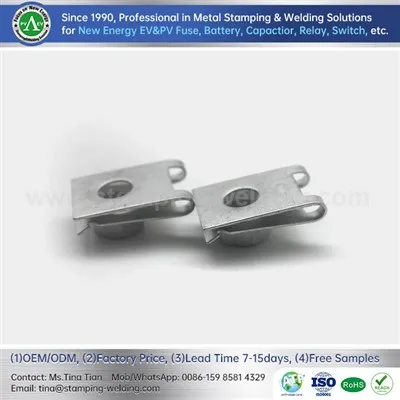
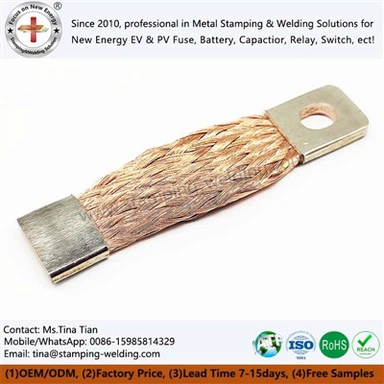
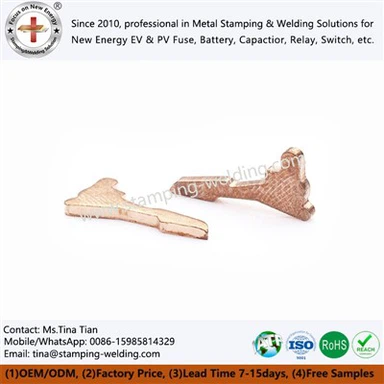
Key considerations and process control points for Precision metal stamping machining
Mar 26, 2026
Selection and pre treatment of carbon steel materials
The quality foundation of Precision metal stamping processing lies in the rational selection of materials and standardized pretreatment. Low carbon steel with good plasticity and formability should be given priority in production, and the material thickness tolerance should be controlled within ± 0.05mm, following the relevant standards for cold-rolled steel plates.
Carbon steel with high hardness is prone to increased mold wear or workpiece cracking. The oil stains and oxide scales on the surface of the sheet need to be cleaned in advance to avoid scratching the surface of the mold and Custom metal stamping parts during the stamping process; Before mass production, steel should undergo tensile testing to ensure that mechanical indicators such as tensile strength meet design requirements and stabilize forming quality from the source.
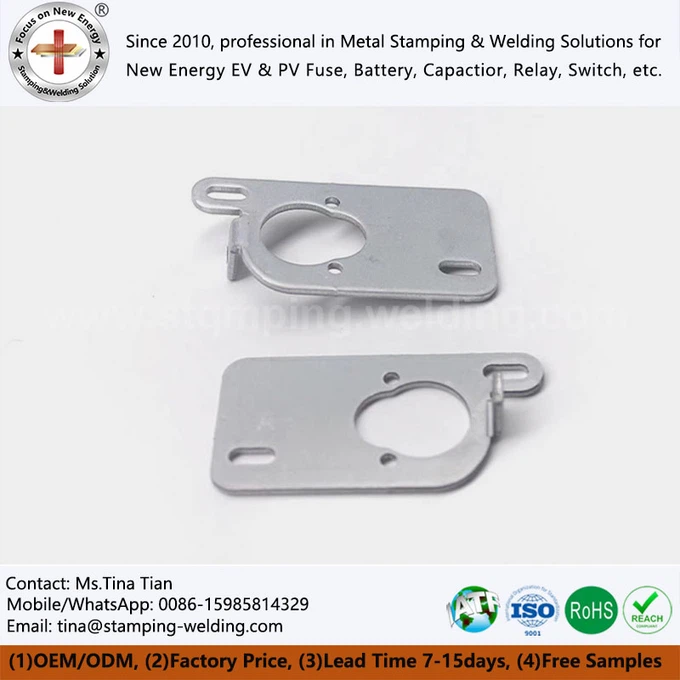
Key points of mold design and daily maintenance management
Mold is the core of ensuring Precision metal stamping accuracy and consistency, and reasonable gap and hardness control are crucial. The gap between the punching die should be set at 5% -10% of the material thickness. If the gap is too large, it will produce obvious burrs, while if the gap is too small, it will significantly increase the mold loss. Mold steel needs to undergo standardized quenching and tempering treatment to ensure sufficient hardness and improve continuous production life. At the same time, it is necessary to establish a regular maintenance mechanism, check the wear of the mold edge according to the production frequency of Sheet metal stamping, verify the uniformity of the mold clearance, and avoid the influence of mold state deterioration on dimensional accuracy and section quality.
Optimization of stamping process parameters and process control
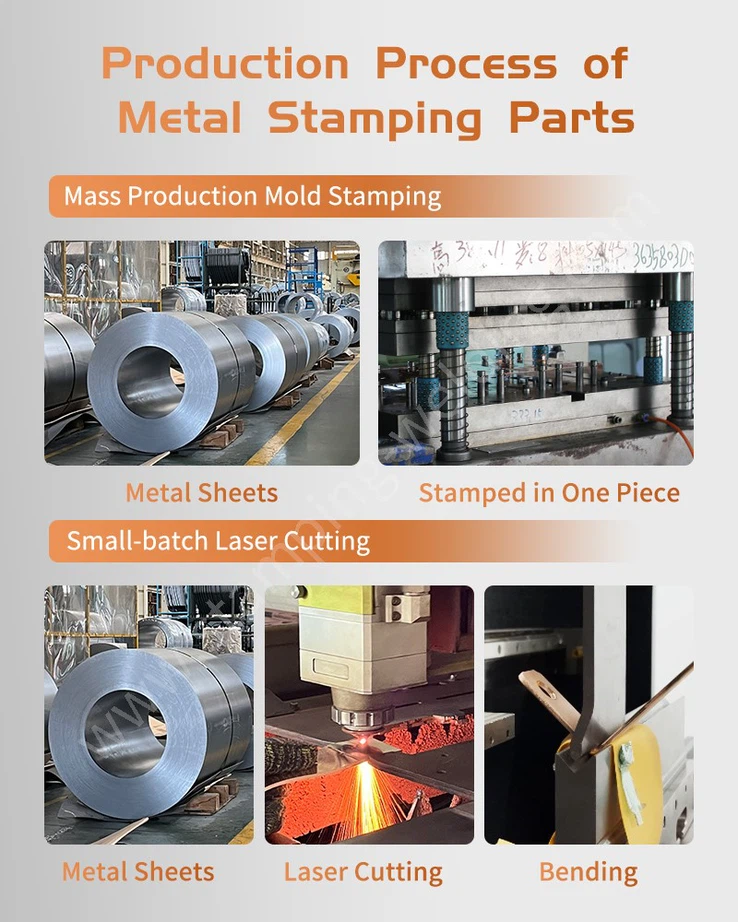
Metal stamping techniques require precise setting of key process parameters to reduce defects such as wrinkling, tearing, and dimensional deviation. It is recommended to control the speed of ordinary stamping equipment at 20-60 times per minute, and for high-speed precision models, it can be appropriately increased. Running too fast can easily lead to inaccurate positioning. The edge pressure of deep drawn carbon steel parts should be controlled at 20% -30% of the punching force. Insufficient pressure can cause wrinkling, while excessive pressure can lead to tearing. Proper stamping lubrication during the production process of Progressive die stamping can effectively reduce friction and workpiece deformation, and improve the stability of continuous forming.
Quality inspection and process control
Quality inspection is an important step in ensuring the qualified delivery of Progressive die heavy metal stamping, with a focus on controlling dimensional accuracy and appearance defects. The key aperture size should reach the corresponding accuracy level and can be rechecked using a coordinate measuring instrument; The appearance indicators such as burr height and flatness should be controlled within a reasonable range and randomly inspected at a fixed frequency. At the same time, optimizing the layout method can improve material utilization, reduce waste generation, and achieve more efficient production and cost control while ensuring the quality of Customized sheet metal stamping and bending parts.
Contact us
Standardizing and controlling the processing technology and quality control points of Metal steel stamping blanks is the key to improving product accuracy, service life, and production efficiency. Our company specializes in undertaking various Precision metal stamping processing and customization, and can provide one-stop services from process optimization to mass production. Welcome to consult and negotiate with us based on drawings and samples.