Knowledge analysis of the industrial and commercial energy storage industry
May 11, 2026
Industrial and commercial energy storage is an intelligent power management system specially customized for industrial and commercial entities such as enterprises, factories, and commercial complexes. Its essence is to help enterprises realize the "buy low and sell high" of electricity, reducing costs and increasing efficiency while taking into account emergency power backup and risk avoidance. Unlike household energy storage that serves households and power station energy storage that serves the grid, Commercial and Industrial storage systems focus more on profitability and practicality. Its core value lies in balancing the power supply and demand of enterprises and solving pain points such as expensive peak electricity prices, idle power at low valleys, and production losses caused by sudden power outages. With the deepening of power market reform, industrial and commercial energy storage has gradually transformed from an early "option" to a "necessity" for many high-energy-consuming enterprises.
System composition
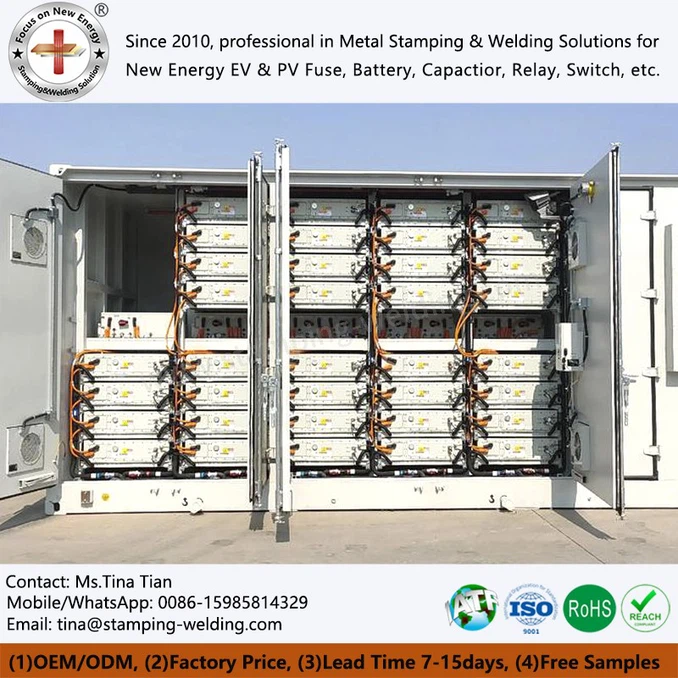
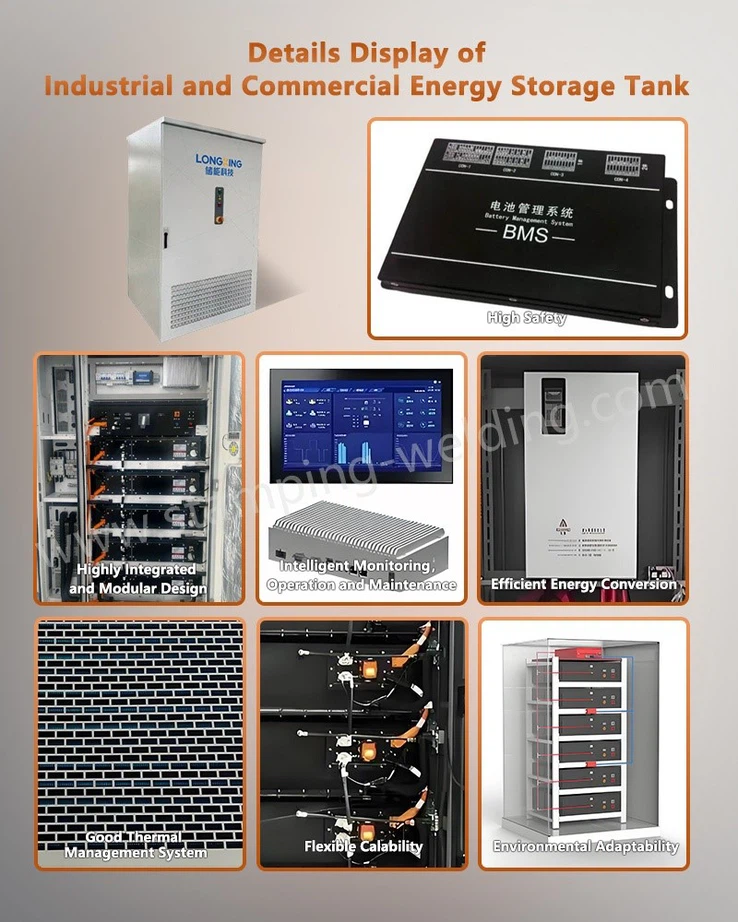
A complete Large-scale battery storage for industry system consists of three key components, each of which is indispensable. Battery pack: the power storage unit of the energy storage system. The battery pack is the core of the system and determines the power storage capacity, service life and safety. Currently, lithium iron phosphate batteries are the mainstream in the industrial and commercial fields, which have the advantages of high safety, long cycle life (more than 6,000 times), and slow decay. Taking the 2MW/4MWh system as an example, the battery pack can store 4,000 kilowatt-hours of electricity, which is enough to cover the company's peak power consumption gap for several hours.
PCS converter: hub for power form conversion. The function of the PCS converter is to convert the DC power stored in the battery into AC power that can be directly used by enterprise equipment, while controlling the charge and discharge rate and protecting system safety. The efficiency of high-quality PCS can reach more than 90%, while inferior products may only be about 80%. A seemingly 10% efficiency gap will significantly affect overall returns over the years.
EMS energy management system: intelligent control core. EMS is equivalent to the "command center" of the system, which can automatically adjust charging and discharging strategies based on electricity price signals and enterprise power consumption, without the need for manual supervision. Taking Smart energy management for commercial storage as an example, its functions include: predicting peak and valley electricity prices for the next day and automatically charging, monitoring electricity load in real time and dynamically adjusting discharge power, monitoring battery health status and reporting timely alarms, and connecting to the power trading market to optimize revenue strategies. It needs to be emphasized that a reliable system is not a simple stack of three components, but an overall solution that has been professionally integrated and debugged. The synergy efficiency of components directly determines the final return on investment.
application scenarios
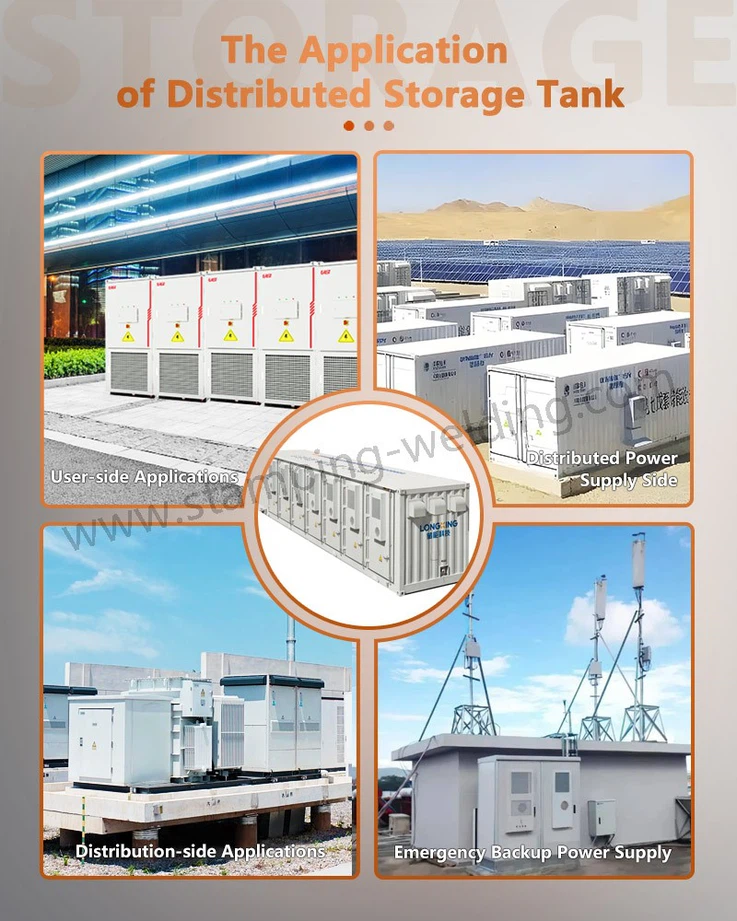
There are many application scenarios for industrial and commercial energy storage, which can be divided into three core types. The first is the mainstream peak-to-valley arbitrage type, which uses low-price electricity charging late at night and discharging at peak electricity prices during the day to directly earn the electricity price difference. It is very suitable for manufacturing and processing enterprises with regular electricity consumption and large peak-valley price differences. The second is the emergency backup type. The Battery-based energy storage system has a response speed of milliseconds and can be used as a "backup power supply" for enterprises, seamlessly switching when the power grid fails, preventing production lines from shutting down or scrapping raw materials in industries such as precision manufacturing and data centers due to sudden power outages. Finally, there is the auxiliary service type, which is mainly aimed at parks with large capacities or high-energy-consuming enterprises. By connecting to the needs of the power grid, it provides services such as frequency regulation, voltage regulation, and demand response, thereby obtaining additional subsidy benefits provided by the power grid.
Products Description
In actual deployment, enterprises can flexibly choose different system architectures such as AC coupling or DC coupling, based on their own site conditions and power consumption characteristics. Whether it is configured with energy storage alone to cut peaks and fill valleys, or combined with distributed photovoltaics to create an integrated system of light, storage and charging, Industrial Energy Storage can effectively increase the self-consumption rate of clean energy and reduce dependence on the main grid. As the peak-to-valley price gap further widens in the future and the power spot market is fully developed, the investment return cycle of industrial and commercial energy storage will continue to shorten, becoming an important starting point for enterprises to achieve green transformation and refined energy management.
contact us
Our company focuses on the field of BESS for commercial use and relies on mature technology research and development and production capabilities to create energy storage system solutions suitable for various industrial and commercial entities. If you need to customize an exclusive solution based on the actual power consumption of the enterprise, you can further consult and connect.