Analysis Of The Core Applications Of Laminated BusBars in Power Electronic Systems
May 23, 2026
As the power electronics industry rapidly upgrades towards higher frequencies, smaller sizes, and higher power densities, efficient and stable power transmission and distribution structures have become crucial for breakthroughs in equipment performance. Laminated BusBars, with their unique structural advantages, have become core components for various high-power electrical equipment, continuously empowering industrial upgrades in new energy, industrial control, rail transportation, and other fields. Compared to traditional wiring structures, these new conductive components completely change the industry pain points of messy wiring, bulky size, and high energy consumption in traditional equipment, providing important technical support for the lightweight, efficient, and highly stable development of power systems.
Outstanding core performance
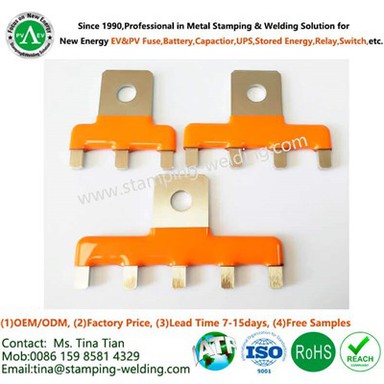
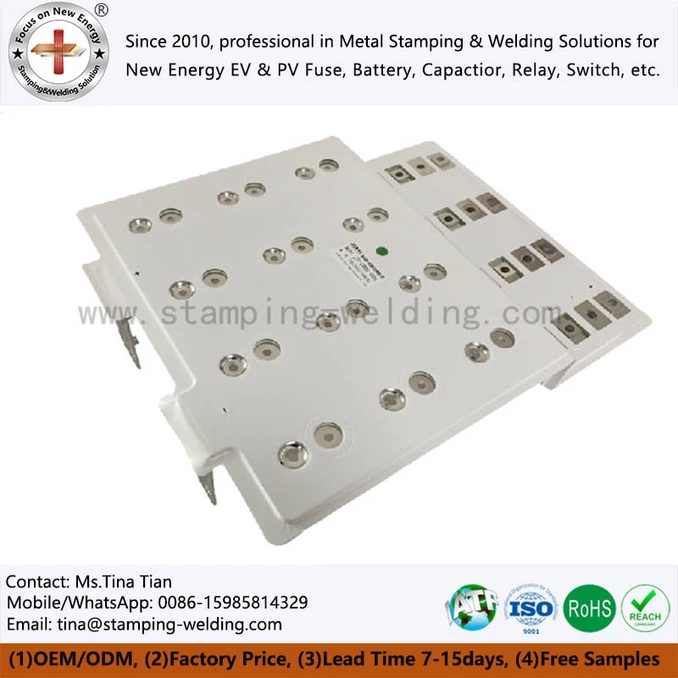
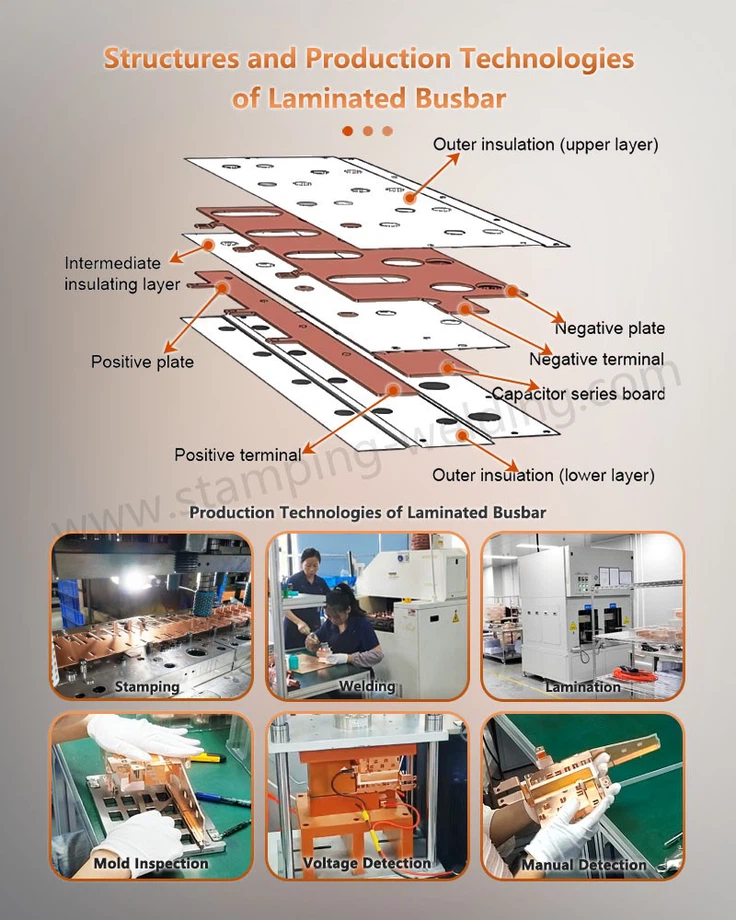
The Laminated Copper BusBar reportedly employs a compact, integrated structure combining multiple conductors and insulating layers. Its core value lies in creating a highly efficient power transmission channel for power electronic systems, enabling high-current, low-inductance, and low-impedance power delivery. In terms of core performance optimization, this component utilizes a design approach of parallel bonding of multiple conductors on both positive and negative poles, effectively counteracting stray magnetic fields and significantly reducing system distributed inductance. For high-frequency switching applications, the Laminated Bus Bar for High Current Inverter can precisely suppress voltage spikes generated during equipment operation, providing comprehensive protection for core power devices such as IGBTs, effectively reducing the probability of equipment failure and extending the lifespan of high-power electrical equipment.
Structural integration and lightweight
The dual advantages of space utilization and heat dissipation performance make laminated bars the preferred structure for compact power equipment. Unlike traditional bulky wiring, the Laminated BusBar Design focuses on a flat, multi-layered, stacked structure, maximizing internal space, simplifying assembly, reducing maintenance complexity, and adapting to the design requirements of various precision and integrated power equipment. Simultaneously, the configuration of multiple large-area copper conductors provides components with excellent electrical and thermal conductivity, rapidly dissipating operating heat, controlling overall system temperature rise, and ensuring long-term stable, efficient, and low-power operation of power electronic equipment, meeting the stringent requirements of continuous industrial equipment operation.
New energy domain application
As the application scenarios for segmented power applications continue to expand, the adaptability of busbars is constantly enriching, and various customized structures are widely used in high-end equipment across various industries. Among them, Laminated Bar for PV Inverters are core current-carrying components in the field of new energy power generation, widely used in photovoltaic inverters, wind power converters, and other new energy power generation equipment to ensure the stability of clean energy conversion and transmission. In the industrial control field, Capacitor Laminated Bus Bars for IGBT-based Motor Drives can achieve precise connection between IGBTs and capacitor banks, adapting to the high-power power distribution needs of industrial equipment such as high-voltage frequency converters and active power filters.

Multi-scenario adaptation
In the fields of high-end equipment and transportation, the application value of laminated bar is becoming increasingly prominent. Busbars for electric locomotives are adapted to the demanding operating conditions of rail transit traction converters, ensuring stable output of the rail transit power system. Bars for spacecraft power inverters, with their high reliability and high integration, meet the precise power supply requirements of aerospace power inverters. Furthermore, these components can also be adapted to diverse scenarios such as data center power supplies, SVG high-voltage dynamic reactive power compensation devices, and high-frequency welding power equipment. Combined with the Polypropylene Film Dielectric DC Support Capacitor Laminated Bus Bars structure, they perfectly adapt to the power distribution requirements of power capacitor DC links, comprehensively covering power distribution scenarios in multiple fields such as new energy, industry, transportation, and high-end equipment.
Industry Prospects
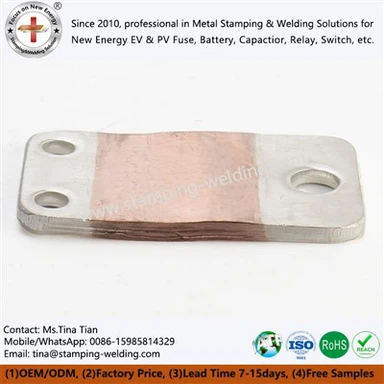
Industry analysis indicates that as power electronic equipment evolves towards higher current, higher frequency, and greater integration, the importance of Bus Bar Solutions for Electrical Power Distribution continues to rise. Laminated BusBars, with their comprehensive advantages of low inductance, low loss, high integration, and high adaptability, are gradually replacing traditional wiring structures, becoming a core component for the lightweighting and efficiency upgrades of power systems. In the future, relying on customized structural design and performance iteration, Laminated Flexible Bus Bars will further adapt to more high-end precision power equipment, continuously contributing to the high-quality development of the power electronics industry.
Contact Us
If you have any needs regarding the customization, selection, and technical adaptation of Laminated BusBars, please feel free to contact us to obtain a customized power transmission solution.