In-depth analysis of the copper busbar tin plating process and performance
May 15, 2026
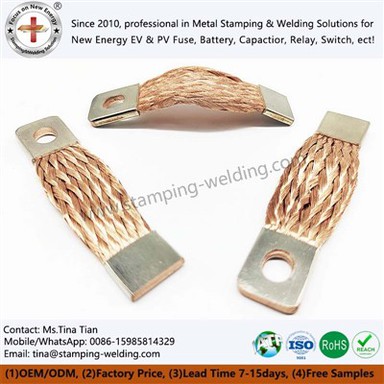
Tin plating of copper busbars is a key surface treatment process in the field of power transmission. As a metal substrate with excellent electrical conductivity, copper is prone to oxidation in the air to form patina, which leads to increased contact resistance and decreased conductive efficiency. Tin Plated Copper Busbar covers the copper surface with a layer of metallic tin to effectively isolate air and moisture erosion, and has become a widely used conductive component in medium and low voltage power distribution systems, switch cabinets and transformer connections. The core of Busbar Coating technology is to balance anti-corrosion performance and conductive efficiency to ensure that power equipment maintains a stable current-carrying capacity during long-term operation.
Material advantages
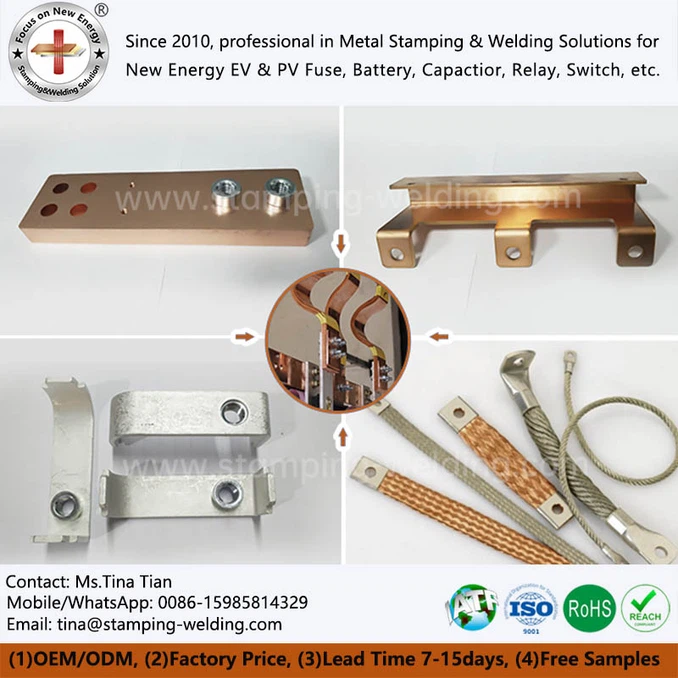
The basic performance of copper busbar is the prerequisite for the tin plating process to work. As the core carrier of power transmission, its performance must meet three core requirements. The base material is electrolytic copper with a purity of over 99.9%, which ensures excellent electrical conductivity and lays the foundation for the efficient transmission of the Tinned Copper Busbar. In terms of mechanical strength, it is necessary to balance hardness and flexibility to ensure that the copper busbar is bent 180 degrees without cracks, adapting to the installation and wiring needs of electrical equipment. In terms of thermal stability, it needs to be able to continue working in an 85°C environment without softening and deformation, to cope with the heat generated during the power transmission process, and to avoid performance degradation caused by high temperatures.

Deep technical barriers
The quality of the tin plating process is often hidden in details that are easily overlooked. Pretreatment is the basis. The copper bar after pickling must be plated in a very short time, or an oxide film will form again and affect the adhesion. In terms of crystallization control, the grain size of the coating directly affects the conductivity, and is usually optimally controlled at 2-5 microns. In addition, passivation treatment after plating can significantly improve corrosion resistance by more than 30%. In the final quality control process, a high-precision eddy current thickness gauge is used for inspection to ensure that the coating error of Flat Copper BusBar is less than 1 micron, which is a key indicator to measure the level of process.

Process principles and standardized procedures
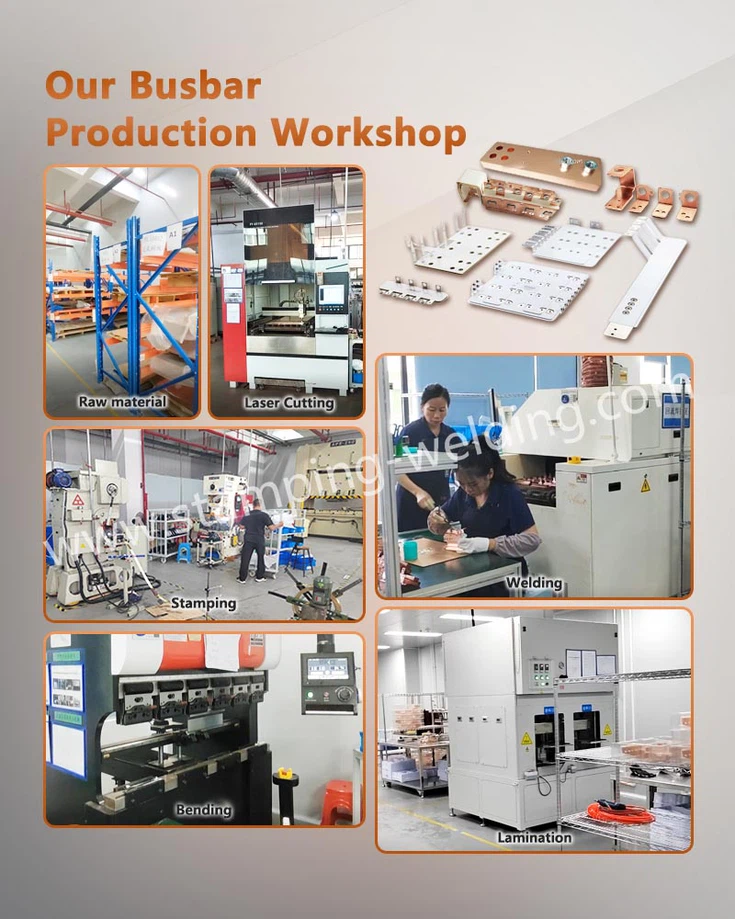
The tin plating process of copper rows is essentially to coat the copper surface with a thin layer of metallic tin, using the good anti-oxidation and anti-corrosion properties of tin to effectively protect the base material from erosion by the external environment. The standardized processing process consists of four core steps: first, copper bar pretreatment, which ensures the surface is absolutely clean through cleaning, oil removal, and rust removal; second, coating, where the plating solution containing metallic tin is evenly applied, and the concentration and speed are precisely controlled; followed by the drying process, where temperature and humidity are strictly controlled to ensure the integrity of the coating; and finally, strict inspection. Only Tin Plated Copper Bars that meet the standards in thickness, uniformity, and adhesion can be put into subsequent use.
contact us
Relying on advanced Busbar Coating technology and a strict quality control system, we can provide customers with customized solutions that comply with international standards to ensure the reliability and safety of products under complex working conditions. If you want to know more about the technical details and application cases of tinned copper busbar, please feel free to contact us.