The key path to optimizing tin plating process and improving the durability of Copper pipe cap
Apr 28, 2026
Consolidate the basic conditions for tin plating
The surface treatment of the substrate and the quality of the plating solution are the primary prerequisites for ensuring the adhesion and uniformity of the tin plating layer. Before tin plating on Copper pipe cap, a standardized pre-treatment process must be completed, using a combination of electrolytic degreasing, ultrasonic cleaning, weak acid pickling, and other processes to thoroughly remove surface oil stains, oxide scales, impurities, and dust, avoiding problems such as pinholes, peeling, and poor bonding caused by pollutants, and ensuring that the tin layer is tightly adhered to the copper substrate.
The optimization of tin plating solution focuses on the selection of high-purity raw materials and formula improvement, prioritizing the use of high-purity tin salts to reduce the residual heavy metals and harmful impurities, and reducing the risk of coating defects from the source. Reasonably adjust the proportion of basic components, use buffer substances to stabilize the pH value of the plating solution, and maintain the balance of the plating solution system. At the same time, functional additives such as brighteners, wetting agents, and refining agents are added as needed to optimize the grain arrangement of the tin layer, making the coating structure finer and the surface smoother, and improving the overall protective performance of the coating against Copper end caps.

Accurate and stable tin plating process
In the tin plating production process of Copper pipe cap, precise control of key parameters directly affects the thickness, density, and overall quality of the coating. The core control points include current density, plating solution temperature, and circulating stirring. Reasonably set the interval current density to prevent the coating from becoming rough or lumpy due to excessive current, or from becoming thin or insufficiently protected due to low current, while balancing coating quality and production efficiency.
Strictly control the working temperature of the tin plating solution, maintain a stable constant temperature range, and avoid accelerating the decomposition of the plating solution and producing impurity precipitation due to excessive temperature while ensuring the normal deposition rate of tin ions. Paired with a uniform mechanical stirring or circulating filtration system, it enhances the fluidity of the plating solution, reduces the accumulation of bubbles and impurities, and ensures uniform coating thickness on the surface of Custom copper caps, eliminating early corrosion problems caused by weak local coatings.

Strengthen anti-corrosion and durability performance
The post-treatment process after tin plating is an important reinforcement step to improve the durability of End cap copper, mainly including low-temperature heat treatment and passivation protection treatment. Through moderate low-temperature constant temperature baking treatment, the internal stress of the tin plating layer can be released, the grain structure can be optimized, the hardness, wear resistance, and scratch resistance of the coating can be improved, and the damage to the coating during later assembly and use can be reduced.
Combined with chemical passivation or sealing treatment, a dense protective film can be formed on the surface of tin plating, effectively isolating air, moisture, and corrosive media, delaying the oxidation, discoloration, and blackening of the tin layer, and greatly improving salt spray and aging resistance. A comprehensive post-treatment process can significantly extend the service life of tin plated Copper metal end caps under wet, high and low temperature alternating conditions.

Ensure the stability and durability of finished products
Establishing a comprehensive full process inspection mechanism is the key to stabilizing the quality of tin plating and controlling the durability of Copper end cap fitting. We use professional testing equipment to accurately control the thickness of the coating, ensuring that the overall coating thickness is uniform and meets the requirements for anti-corrosion and conductive use. By using grid cutting, pulling and other testing methods, the adhesion of the coating is checked to prevent coating detachment during later assembly and vibration conditions.
At the same time, carry out corrosion resistance testing such as salt spray testing and wet heat aging testing on a regular basis, simulate complex application environments such as outdoor and vehicle mounted environments, and verify the long-term protective ability of the tin plating layer. Relying on standardized quality control, timely identifying process hazards, stabilizing the quality of Copper pipe end caps, and preventing defective products from entering the application process.
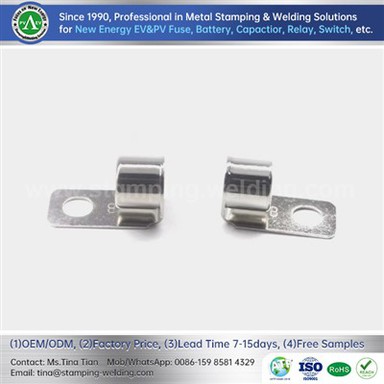
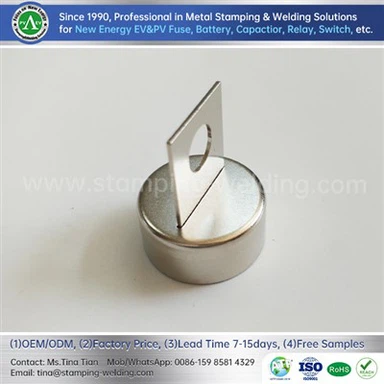
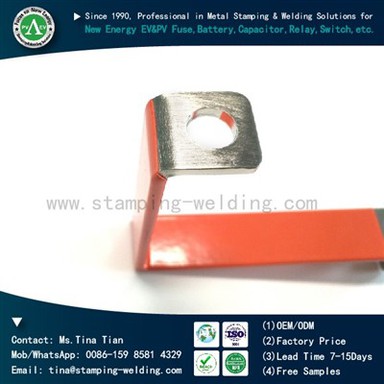
By optimizing the entire tin plating process, the anti-corrosion ability, welding performance, and structural stability of tin plated copper caps can be effectively improved, reducing corrosion damage and aging failure issues, extending the service life of Copper cap fitting, and assisting in the safe and stable operation of vehicle electrical and new energy supporting systems.
Contact us
If you need adjustment of tin plating process parameters, customization of the Copper pipe cap coating, and process optimization solutions, please feel free to contact us at any time. We will provide you with professional technical guidance and complete supporting suggestions based on product application scenarios.