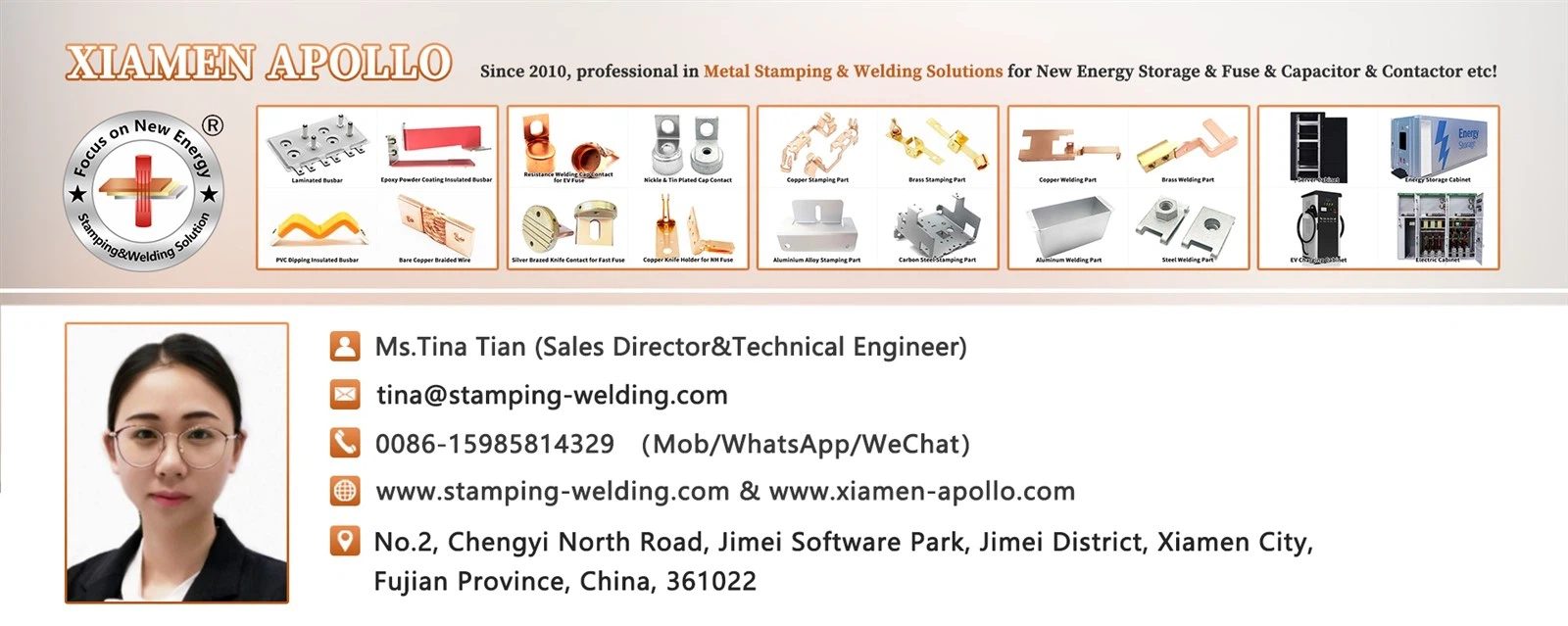
Process for ensuring electroplating uniformity and adhesion of Tin plated copper end caps for new energy vehicles
Apr 29, 2026
Overview of Electroplating Process
With the rapid development of the new energy vehicle industry, Tin plated copper end caps, as key conductive protective components of vehicle electrical systems, directly determine the product's conductivity, corrosion resistance, and service life through their electroplating quality.
Electroplating relies on electrochemical principles to deposit metal coatings on the surface of copper substrates. Common processes include tin plating, silver plating, etc., which can be flexibly selected according to usage conditions and performance requirements. High quality tin plating not only enhances the conductivity, wear resistance, and oxidation resistance of Custom copper caps, but also strengthens their mechanical protection performance, avoiding oxidation, wear, and failure issues in complex vehicle environments.
Pre treatment before electroplating
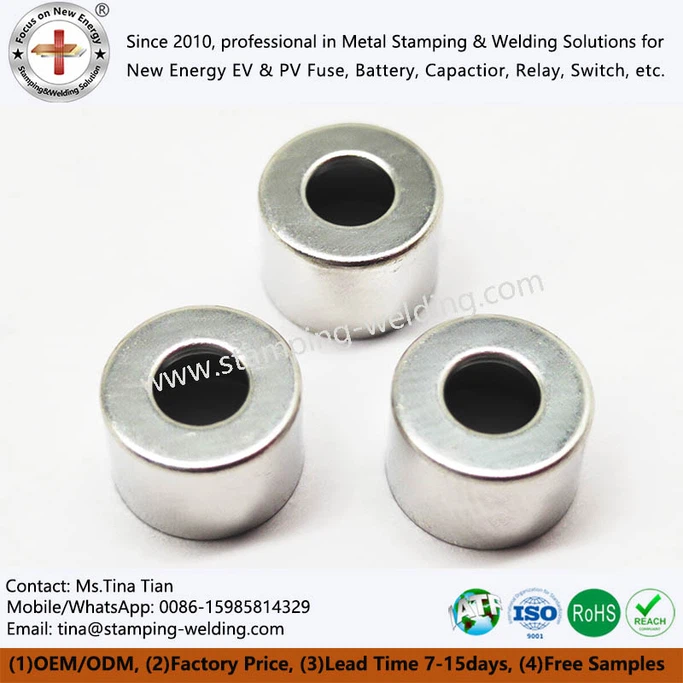
Pre treatment before electroplating is the primary step to ensure the uniformity and adhesion of the coating on Tin plated copper end caps, which mainly includes core processes such as degreasing cleaning, acid washing and oxidation removal, and surface activation. Pre treatment can thoroughly remove oil stains, oxide scales, and various impurities on the surface of copper caps, creating a clean and uniform substrate surface, and creating favorable conditions for the uniform deposition of metal ions.
By using ultrasonic cleaning technology, fine oil stains and attachments on the surface can be peeled off with the help of vibration cavitation, ensuring that the substrate is completely clean before entering the tank; Combined with acid washing and surface activation treatment, it can not only remove the oxide layer on the surface of Copper pipe end cap, but also enhance the surface activity of the substrate, strengthen the bonding ability between the tin plating layer and the copper substrate, and avoid defects such as peeling, pinholes, and uneven coating from the source.

Optimization of Electroplating Tank Structure and Parameters
The design of electroplating tank structure and precise control of process parameters are the core means to achieve uniform and consistent thickness of tin plating layer on End cap copper. By optimizing the spacing between the anode and cathode, adding auxiliary anodes, and improving the current density distribution in the tank, the occurrence of local over plating or thin coating can be avoided.
Reasonably configure the stirring and plating solution circulation system, using mechanical stirring, gas stirring, or electrolyte circulation methods to eliminate dead corners in plating solution flow and maintain stable plating solution composition, concentration, and temperature.
Stable control of key parameters such as current density and plating solution temperature, combined with multi-layer electroplating process, first deposit a layer of bottom metal with excellent compatibility with copper substrate, and then thicken the tin plating layer layer layer by layer, which can not only improve the surface flatness and thickness uniformity of Copper metal end cap, but also further enhance the overall adhesion strength.
Process strengthening measures
Improving the adhesion of the tin plating layer can be achieved through surface roughening, intermediate transition layer electroplating, and post heat treatment in multiple dimensions. Before electroplating, sandblasting or chemical etching processes are used to form micro concave convex structures on the surface of the Copper end cap fitting, increasing the mechanical adhesion points of the coating and effectively improving the bonding strength.
Adopting intermediate layer electroplating technology, a transition metal layer is pre plated on the surface layer before tin plating. By utilizing the excellent adhesion and stability of the transition layer, the stress difference between the substrate and the surface tin plating layer is isolated, greatly improving the overall bonding strength. After electroplating, moderate heat treatment and curing treatment are carried out to promote the diffusion and fusion of tin plated metal and copper substrate, release the internal stress of the coating, and further improve the adhesion, structural stability, and durability of the Copper pipe cap of the tin plated layer.
contact us
If you need customized tin plating process, specification selection, and bulk procurement requirements for Tin plated copper end caps for new energy vehicles, please feel free to consult and connect with us at any time. We can provide suitable tin plating process solutions and high-quality supporting products according to the working conditions, meeting the strict quality standards of various electrical projects.